
7 Beliefs You Secretly Hold and Fear
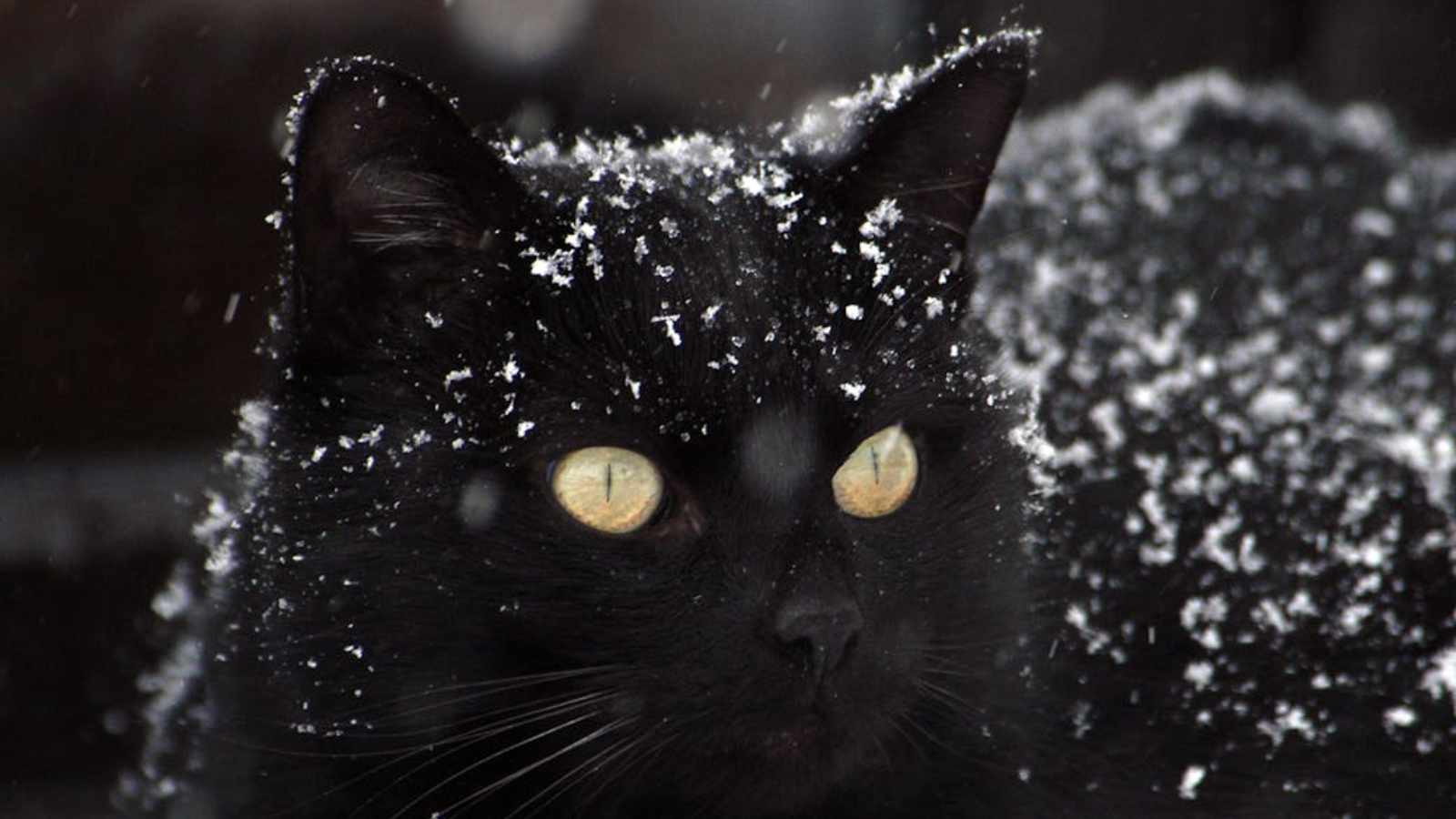
Image Credit: Pixabay via pexels
Beliefs have long been a part of human culture, often lingering in the corners of our minds and influencing our actions, even if we don’t fully understand why. Many of us unknowingly fall prey to these long-standing traditions. But why do we continue to hold onto such beliefs, despite the absence of any scientific proof backing them?
Here are the most commonly held beliefs, their origins, and why they continue to influence our behavior today. So, the next time you find yourself crossing fingers for good luck or avoiding a cracked mirror, you’ll understand the fascinating psychology and history behind these ancient beliefs.
Crossing Fingers for Good Luck

Crossing your fingers when you hope for good luck is another widespread belief. This gesture is typically used when asking for a favor or hoping for a positive outcome.
The origin of this belief dates back to early Christianity, when crossing the fingers was used to invoke the Christian cross and seek divine protection.
Knocking on Wood
Knocking on wood is one of the most universally practiced beliefs. The belief is that knocking on wood can ward off bad luck or prevent jinxing oneself after mentioning something positive. The origin of this belief dates back to ancient civilizations.
In Celtic traditions, people believed that spirits resided in trees, particularly oak trees. By knocking on wood, they sought to call on these spirits for protection and good fortune.
Black Cats and Bad Luck

In many cultures, black cats are thought to bring bad luck, particularly if one crosses one’s path. This belief stems from the Middle Ages, where black cats were associated with witches and the supernatural. In some cultures, black cats were believed to be shape-shifting witches in disguise, while in others, they were seen as omens of death or misfortune.
Interestingly, in some cultures, black cats are considered lucky, demonstrating how beliefs can vary across regions.
Breaking a Mirror: Seven Years of Bad Luck
Breaking a mirror is often associated with seven years of bad luck. This belief likely originated in ancient Roman times, when mirrors were made of polished metal and believed to reflect a person’s soul.
If the mirror was broken, it was thought to cause harm to the soul, which would take seven years to repair. Over time, this belief evolved, and the idea of bad luck became firmly attached to breaking a mirror.
Walking Under a Ladder
The belief of avoiding walking under a ladder has several explanations. One popular theory connects this belief to ancient Egypt, where a triangle symbolized the sacred trinity of life, death, and rebirth. A ladder leaning against a wall forms a triangle, and walking through it was believed to break the trinity and bring bad luck.
Another theory ties this belief to Christianity, where the triangle was seen as a symbol of the Holy Trinity, and walking under it was considered disrespectful.
The Number 13: A Symbol of Bad Luck

The number 13 is often regarded with fear and suspicion. In fact, many buildings skip the 13th floor and label it the 14th floor instead. The fear of the number 13, known as triskaidekaphobia, has roots in both cultural and religious traditions.
In Christianity, Judas Iscariot, the apostle who betrayed Jesus, is often said to have been the 13th guest at the Last Supper, contributing to the negative connotation of the number.
Making a Wish at 11:11
One of the most popular beliefs is that making a wish at 11:11 will come true. Many people stop what they’re doing at that moment to make a silent wish. The origin of these beliefs is unclear, but it is often linked to numerology and the belief that the number 11 has mystical or spiritual significance.
In numerology, the number 11 is considered a “master number,” associated with intuition, insight, and enlightenment. This belief may have contributed to the widespread practice of wishing at 11:11, as it is seen as a powerful and auspicious moment.
Why Do We Believe in Beliefs?
The human brain is wired to recognize patterns, and beliefs often emerge from this innate tendency. When something coincides with a good or bad outcome, we tend to associate the two, even if there’s no logical connection. Over time, this creates a sense of cause and effect, fueling the belief that certain actions or objects can influence our lives.
For example, if you find a four-leaf clover and experience a streak of good luck, it’s easy to start thinking that the clover is the reason. Similarly, an adverse event after walking under a ladder can make us avoid ladders in the future, even though no direct correlation exists.


