5 Behaviors That Can Lead to Loneliness and Isolation in Women as They Age
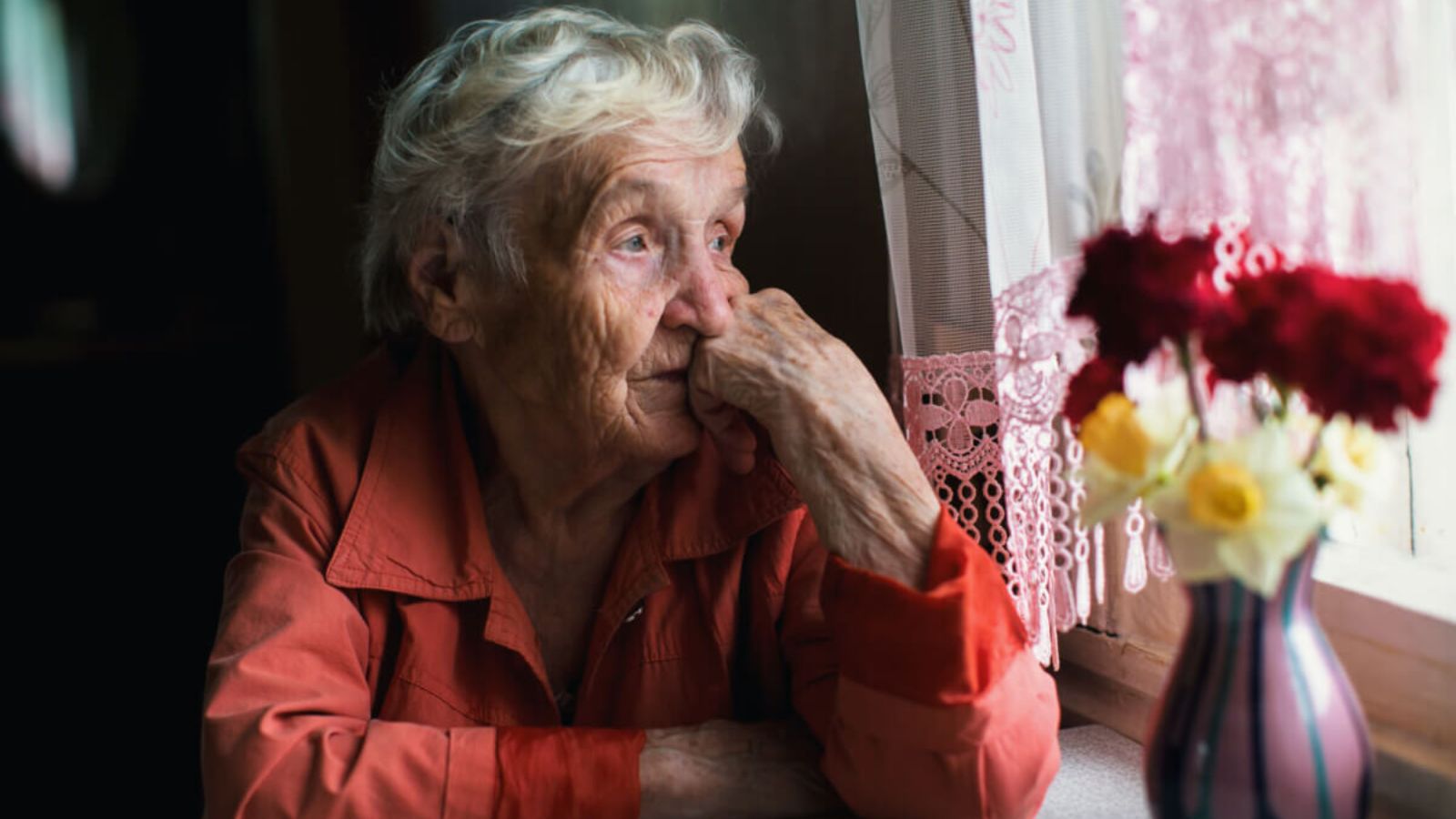
Image Credit: Castorly Stock via Pexels
Loneliness is often thought of as an emotional state we can easily identify: sadness, isolation, maybe even tears. But for older women, this feeling can be far more subtle, creeping in through quiet shifts in behavior that are easy to overlook. The truth is, loneliness is not just about being physically alone; it’s about feeling emotionally disconnected, even in a crowd.
It can take on many forms—sometimes invisible to others—and it’s often masked by things like excessive busyness or a facade of constant positivity. As women age, they face unique challenges that can heighten feelings of isolation. From societal expectations to life changes like retirement or the loss of loved ones, many women find themselves grappling with a sense of being forgotten or left behind.
But these feelings rarely show up in the obvious ways. Instead, they might appear through small, everyday actions—deciding not to attend a social gathering, staying too busy to engage with others, or even putting on a smiling face when they’re feeling anything but cheerful.
Excessive Busyness
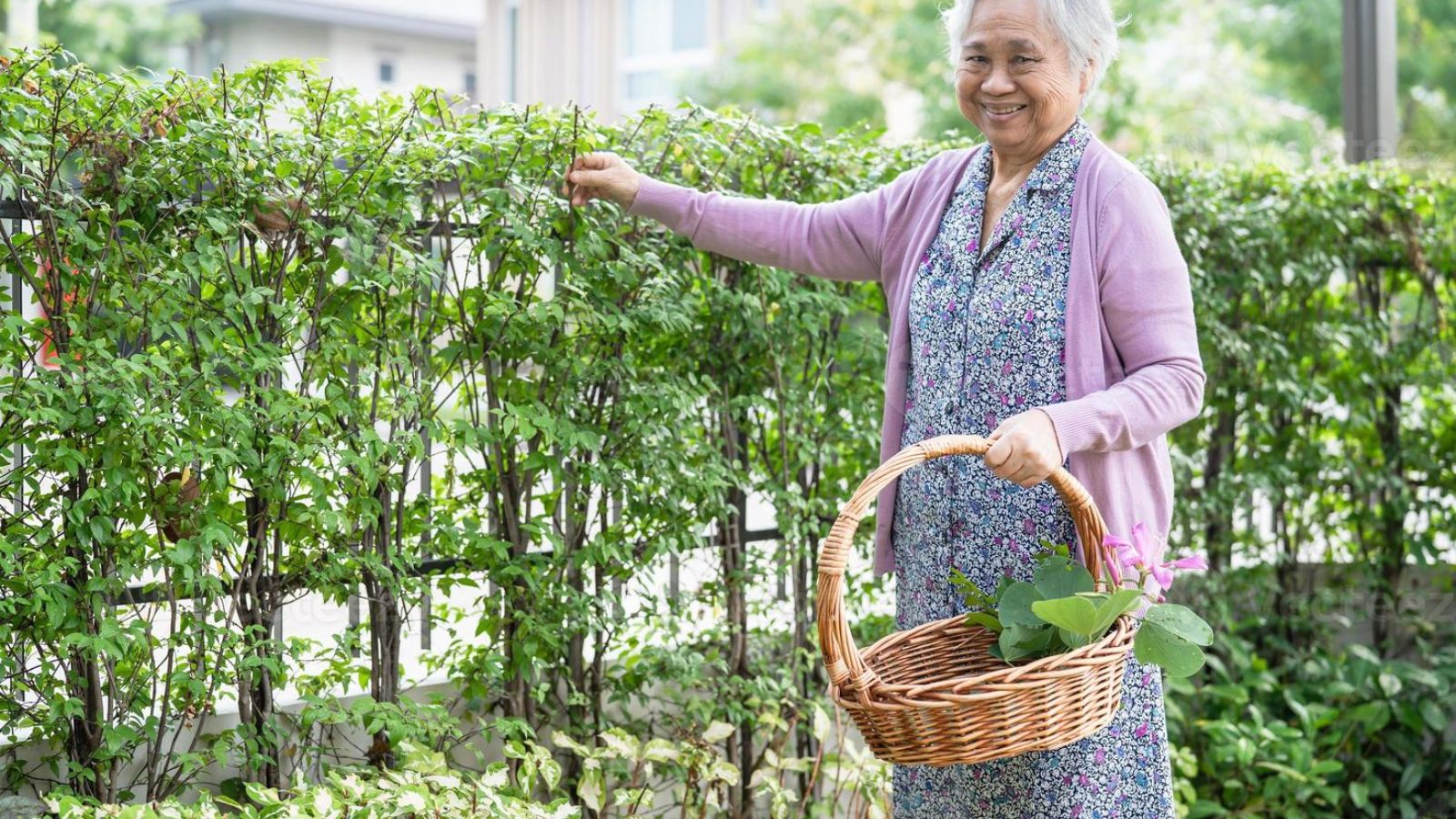
In the realm of older women, an over-scheduled life can often be a coping mechanism for underlying loneliness. When someone fills their days with endless tasks, from household chores to running errands or volunteering, it can appear that they are simply managing their responsibilities. However, this busyness can also serve as a protective wall, a distraction from confronting feelings of isolation or sadness.
The psychological aspect of excessive busyness lies in its ability to offer an illusion of productivity and purpose, but it rarely fosters real emotional connections. Women who immerse themselves in constant activity might avoid the need to form or nurture meaningful relationships.
Dr. Gayle MacBride, a clinical psychologist, explains that this overactivity isn’t about efficiency but about distracting oneself from the discomfort of loneliness. While such a routine might keep someone occupied, it doesn’t provide the deep, fulfilling connections that are vital for emotional well-being.
Prioritizing Quantity Over Quality in Relationships
One of the most common behaviors that can indicate loneliness in older women is the tendency to collect a wide range of acquaintances without forming deeper, more meaningful connections. It’s easy to mistake a large social network for genuine emotional fulfillment, but quantity does not always translate to quality. Women who focus on maintaining many relationships might avoid investing the emotional energy required to build true intimacy with others.
Research consistently shows that the quality of relationships is far more important than the number of friends or acquaintances. A study by the National Institutes of Health revealed that closeness and social support are key factors in reducing loneliness. Without these deep emotional bonds, the feeling of being alone in a crowd can creep in. The absence of true connection often leaves these women feeling unfulfilled, despite their wide social circles.
If a woman regularly spends time with a variety of people but still seems disconnected or unfulfilled, this behavior may point to a deeper issue: the lack of meaningful emotional engagement. True companionship involves vulnerability, trust, and shared experiences, not just surface-level interactions.
Over-Accommodating Others

The need to please others is a common trait among women, especially those who are lonely. In an attempt to maintain relationships or avoid conflict, these women may go to great lengths to over-accommodate others—often at the expense of their own well-being. This behavior is not just about being kind or helpful; it becomes a way to fill the emotional void left by loneliness.
People-pleasing can be an exhausting endeavor that ultimately leads to emotional burnout. Instead of deepening relationships, it can create emotional distance. Over time, this self-sacrificial behavior can also erode a woman’s sense of self-worth. When someone constantly prioritizes others’ needs, they may feel that their own emotional needs are not valued or even recognized.
Ironically, this effort to maintain harmony can often push people further away. It’s crucial to recognize when a woman consistently puts the needs of others before her own, neglecting her desires, preferences, or well-being. This behavior might stem from a fear of rejection or a need to feel needed, both of which are rooted in emotional isolation. Offering emotional validation and encouraging self-compassion can help break this cycle.
The Mask of Excessive Positivity
Positivity, while generally seen as a beneficial trait, can sometimes be used as a facade to cover up feelings of sadness, fear, or loneliness. Women who are lonely might feel compelled to always project a cheerful or upbeat exterior, even when they are struggling inside. This overuse of positivity serves as a defense mechanism, allowing them to hide their vulnerabilities and avoid being judged or feeling weak.
However, this facade of endless optimism can inadvertently create emotional distance in relationships. Others might perceive the woman as distant or inauthentic, making it more challenging to form genuine connections. Dr. Colleen Mullen, a licensed marriage and family therapist, points out that this behavior stems from a fear of vulnerability. When women bottle up their true emotions in favor of an outwardly happy demeanor, they inadvertently shut down the opportunity for real emotional support.
If a woman consistently hides her emotions behind a smile, it’s important to gently encourage her to express herself more authentically. Real connections are built on shared vulnerability, and allowing oneself to be seen—flaws and all—is crucial for overcoming loneliness.
Declining Invitations

As loneliness sets in, it can lead some women to decline social invitations or withdraw from activities they once enjoyed. This might seem like a reluctance to socialize or a lack of interest, but the truth is often far more complex. For many older women, the fear of rejection or the anxiety of reconnecting with others can be overwhelming. They might feel that others no longer want their company, or they may worry that they won’t fit in.
Declining invitations is a form of self-protection. The anticipation of possible rejection or awkwardness can be so distressing that it seems easier to stay home and avoid the situation entirely. Unfortunately, this withdrawal only perpetuates the cycle of isolation, making it harder to re-enter social circles over time.
If a woman frequently declines invitations or seems hesitant to engage in social activities, it could indicate deeper feelings of loneliness and a fear of disconnection. A gentle approach and consistent encouragement can help ease her back into the social fold and rebuild her confidence in her relationships.
Conclusion
Loneliness in older women is often quiet and subtle, hidden behind everyday behaviors that may seem unrelated to emotional needs. By recognizing these behaviors—excessive busyness, prioritizing quantity over quality in relationships, over-accommodating others, excessive positivity, and declining invitations—we can offer the right kind of support to help break the cycle of isolation.
These signs are not always easy to spot, but by understanding the underlying causes and being attentive to the emotional cues that accompany them, we can create a more supportive environment for women in their later years. It’s important to remember that loneliness is not a reflection of one’s worth or desirability as a companion—it’s simply a signal that deeper emotional connections are needed.
By fostering authentic relationships and offering compassionate support, we can help these women feel seen, valued, and loved, easing the burden of loneliness as they age.