
This article was originally published on Crafting Your Home. A human contributor also wrote and edited the post.
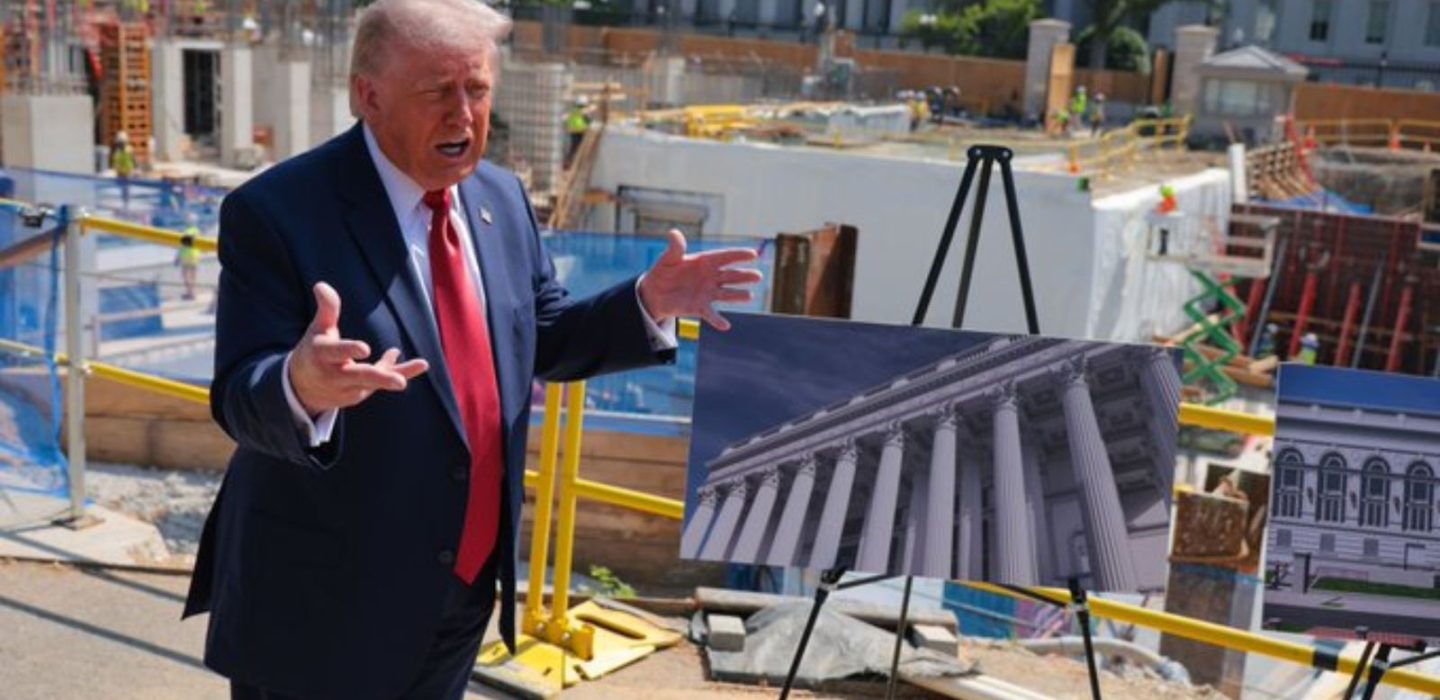
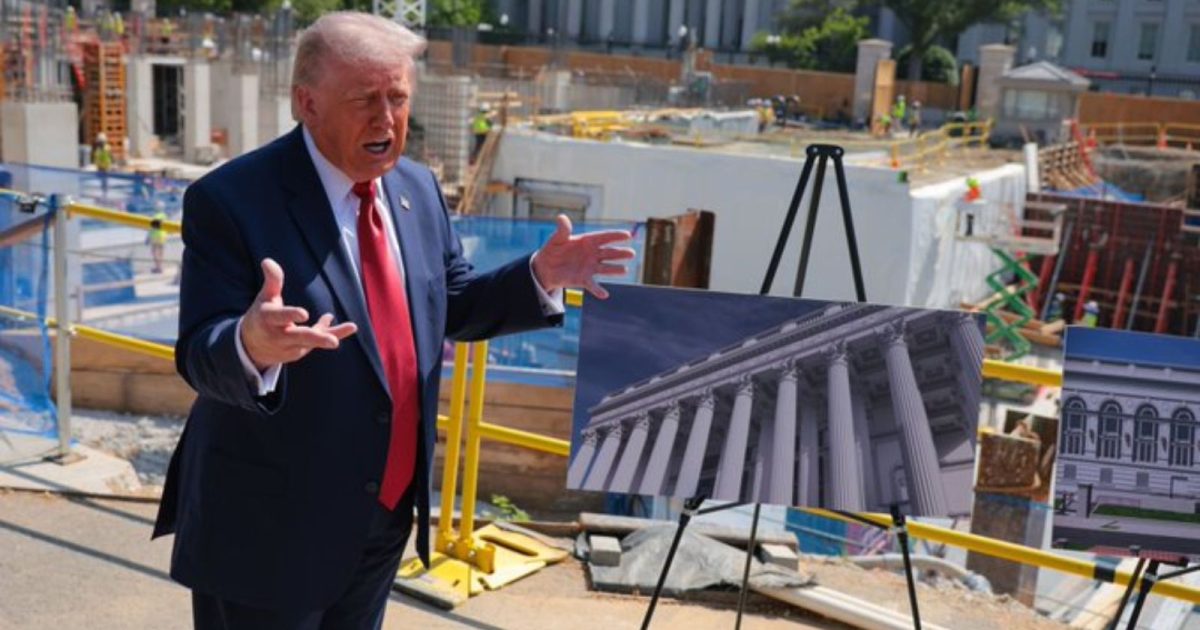
A major legal fight over President Donald Trump’s plan to build a massive ballroom at the White House has intensified after an appeals court ruled that the construction project is moving forward unlawfully, creating another controversy around the president’s efforts to reshape one of America’s most recognizable landmarks.
The court’s decision has placed the ambitious renovation project under renewed scrutiny, eliciting questions about government oversight, historic preservation, and the limits of presidential authority when altering federal property.
Trump presented the proposed ballroom as a solution to a long-standing space problem at the White House.
Supporters argued that the building needed a larger event area to accommodate major gatherings without relying on temporary structures. Critics, however, warned that the project moved too quickly and bypassed important review processes designed to protect historic sites.
The ruling has now turned the ballroom into more than a construction dispute. It has become a symbol of a wider political fight over how much power a president should have when making changes to a historic institution.
Court challenge puts White House renovation under intense scrutiny.
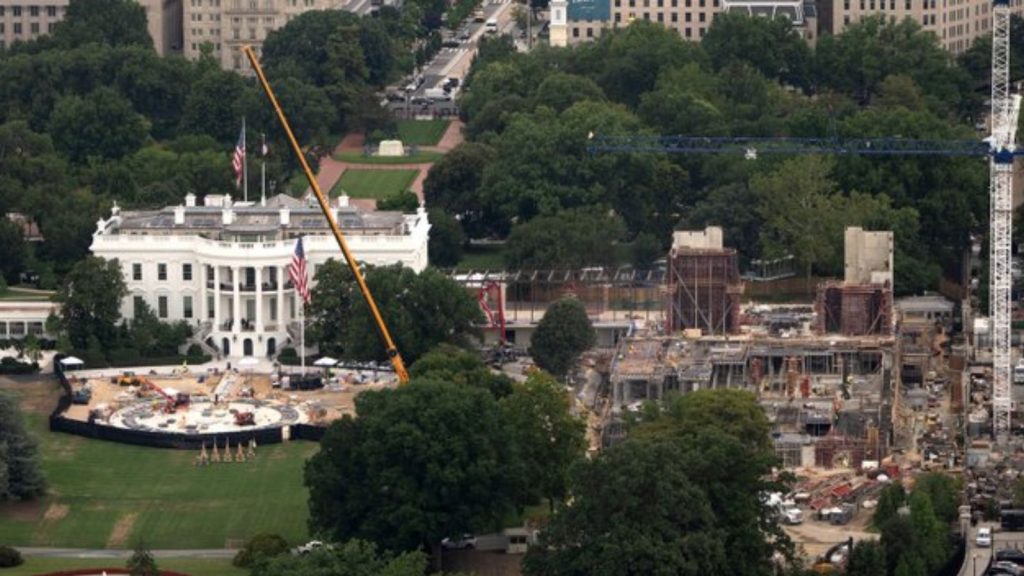
The appeals court’s decision centered on whether the administration followed the proper legal steps before beginning construction. Judges found that the project violated requirements tied to federal oversight, eliciting concerns that the White House could not move ahead without completing the necessary approvals.
The ruling does not simply focus on the physical structure itself. Instead, it examines the process behind the decision and whether established rules were ignored in the push to begin work.
The White House has defended the project, arguing that the ballroom would provide a practical upgrade for hosting large diplomatic events, ceremonies, and official functions. Trump supporters have described the addition as a modernization effort that would improve the historic building’s ability to serve the country.
Opponents have taken a different view, arguing that the project constitutes an unnecessary alteration of a national landmark and shows a pattern of Trump making major changes without traditional consultation.
The controversy has attracted attention because the White House is not an ordinary government building. Every renovation decision entails heritage value, and changes to the property have traditionally entailed extensive review from preservation officials and other experts.
Ballroom project becomes a political symbol.
The fight over the ballroom has grown into a larger debate about presidential power, tradition, and accountability.
For Trump’s allies, the project is a president taking action to improve a building that they believe needs additional space and updated facilities. They argue that previous administrations also made changes to the White House and that the president should have freedom to address pragmatic needs.
Critics say the issue is not whether the White House needs improvements but whether those improvements should happen by bypassing established procedures.
The dispute shows a familiar divide surrounding Trump’s presidency. Supporters often view his willingness to oppose traditional processes as evidence of decisive leadership, while opponents see it as a disregard for institutions and safeguards.
The ballroom has become the latest example of how even architectural decisions can become politically charged when they involve the presidency.
Former officials and preservation advocates have expressed concern that changes to the White House should not depend solely on the preferences of any single administration. They argue that the building represents generations of American history and calls for careful protection.
Uncertain future for Trump’s ambitious White House plan
The appeals court decision could create considerable delays for the project as legal questions continue to unfold. The administration may seek additional legal options, while opponents are likely to continue challenging the construction effort.
The outcome could determine whether the ballroom project proceeds, requires modifications, or faces additional restrictions before moving forward.
The debate also brings up broader questions about how future presidents handle major changes to federal landmarks. A decision involving the White House could set expectations for how executive power is balanced with preservation rules.
Trump has repeatedly stressed his desire to have a lasting mark on the presidency, and the ballroom project was intended to become part of that legacy. But the legal battle has placed the project at the center of a national argument over history, authority, and the role of government oversight.
For now, the planned addition remains caught between two competing visions of the White House: one as a functioning government facility that must evolve with present-day needs, and another as a historic symbol that necessitates careful protection.
The court’s ruling makes certain that the fight over the ballroom is far from finished. As legal cases continue, the project will remain a closely watched test of presidential power and the rules surrounding America’s most famous address.
If you like what you just read, then subscribe to our newsletter and follow us on social media.