Annoying Grocery Store Habits Boomers Can’t Stand

Image Credit: yurich20 via 123RF Photos
Grocery shopping is one of the most routine tasks many people do, but for some, it can also be a source of frustration. Older shoppers (commonly referred to as “boomers”) express annoyance at what they see as disrespectful or inconsiderate behaviors in grocery stores. These irritations say less about individuals and more about shifting social norms, store layouts, and generational differences in expectations of public behavior.
A 2021 study in the Journal of Retailing and Consumer Services found that crowded, messy grocery stores—full of people and disorder—lower purchase intent and increase feelings of threat or contamination, especially for food.
These seemingly minor irritations, such as crowding, clutter, and inattentiveness, can lead to real discomfort, health concerns, and reduced satisfaction. For older shoppers, raised expectations around politeness and order make such issues particularly noticeable.
Blocking Aisles / Standing in the Way

When shoppers pause in the middle of narrow aisles, browsing, chatting, or standing sideways, it creates bottlenecks. Store crowding and obstructions reduce flow, lower shopper comfort, and contribute to negative feelings.
For older shoppers who value smooth, efficient movement, such blockages feel not just inconvenient, but discourteous.
Loud Phone Calls or Speakerphone Chats in the Store
Many younger shoppers treat grocery runs as multitasking time, calling friends or talking while picking items. But loud phone conversations in a shared space disrupt the environment, drawing attention and irritating.
Given that crowded store environments already heighten discomfort, added noise can amplify adverse reactions, especially among shoppers more accustomed to quieter, more orderly shopping atmospheres.
Leaving Shopping Carts Everywhere — Parking Lot or Inside

Abandoned carts aren’t just unsightly; they carry real consequences. The International Association for Food Protection shows that shopping carts regularly harbor bacteria such as E. coli and other coliforms.
Leaving carts scattered in the parking lot, near car spaces, or blocking walkways adds clutter, increases the risk of contamination, and creates hazards for cars and pedestrians. For boomers who recall more orderly store environments, this reflects a decline in basic courtesy and shared responsibility.
Disorganized or Slow Checkout Behavior
Checkout lines are often the final test of patience. A 2022 cross-sectional study of 385 shoppers by ResearchGate found that long waits and perceived inefficiency at checkout significantly increase emotional discomfort, regardless of age.
Mistakes like rummaging for payment, last-minute coupon hunts, or price disputes slow the entire line for everyone. For older shoppers expecting polite, efficient service, such delays feel more like a breach of courtesy than a minor annoyance.
Treating Sample Tables Like a Free Buffet
Free samples are meant to give shoppers a taste — not to be exploited. When some people load up on multiple samples, hover around the tasting table, or block access, it frustrates others who want to browse or pick essentials.
Beyond courtesy, there are hygiene concerns: when many people are sampling and touching items, the risk of cross-contamination rises. Given older generations’ greater sensitivity to cleanliness and order, this behavior often comes off as entitled or disrespectful.
Leaving Frozen or Perishable Items in Random Aisles
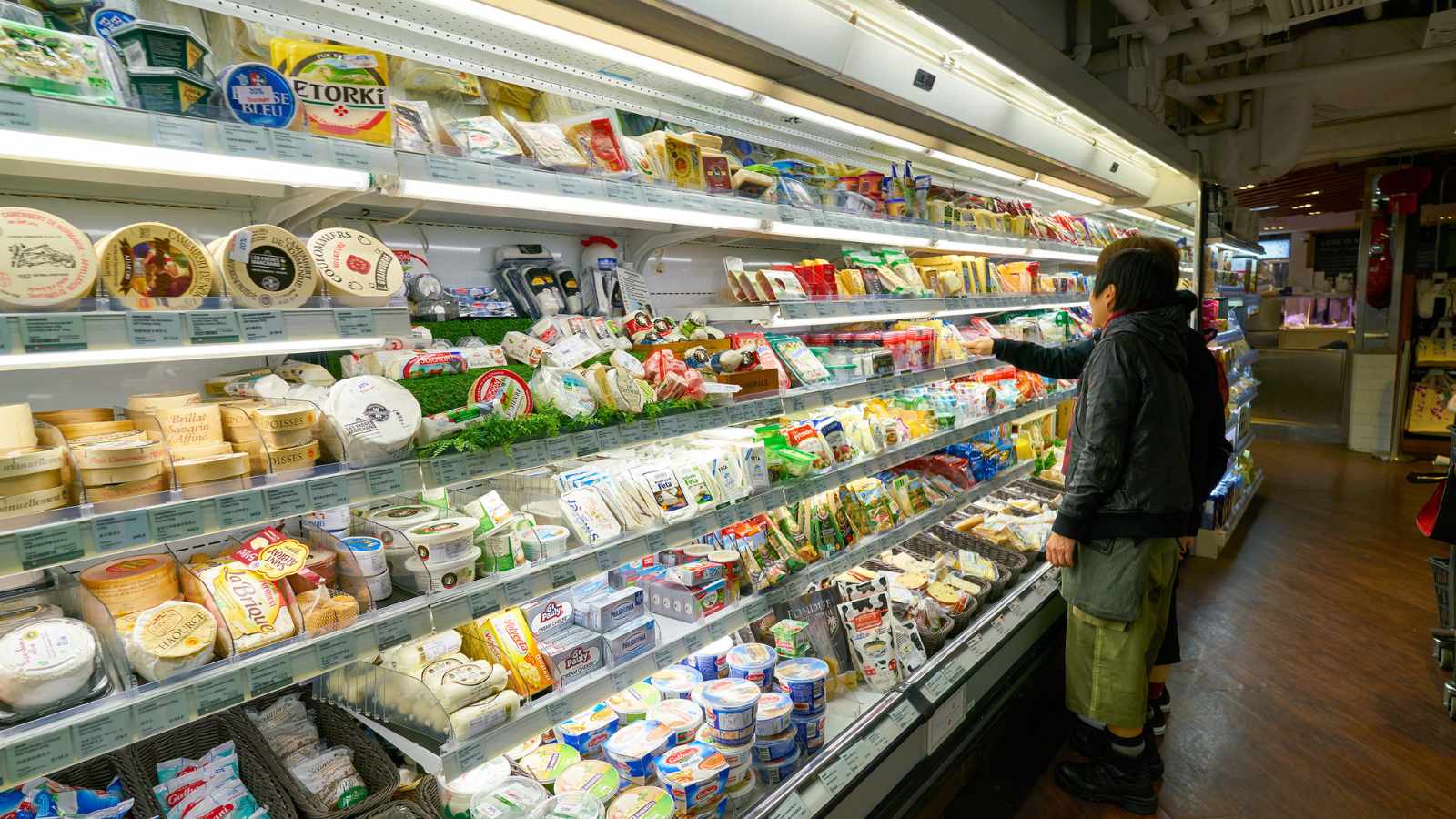
Putting frozen foods or refrigerated items in the wrong locations, or simply leaving them outside cold storage, is more than careless: it may risk food safety and lead to spoilage or waste. Especially if other shoppers or staff inadvertently pick up misplaced items, the result can be ruined purchases or contaminated goods.
For shoppers concerned about hygiene and respect for others, this represents not just a bad habit, but a disregard for shared standards.
Rushing, Pushy Behavior, and Ignoring Basic Courtesy
In busy stores, some shoppers rush, cut in line, or push past others sometimes while distracted (on phones, in groups, or browsing slowly). Such behavior exacerbates crowding, increases stress, and can feel disrespectful to those who value patience, order, and social courtesy.
Research on queuing psychology shows that people are particularly sensitive to perceived violations of social norms when waiting, leading to irritation or “queue rage.”
What Can Help Shoppers and Stores

- Return carts properly — use the cart corrals, whether in parking lots or inside stores.
- Be mindful when talking on the phone — use quieter tones or step aside.
- Avoid blocking aisles or sampling areas; let others pass easily.
- Organize items properly — don’t abandon perishable goods, and return misplaced items if you can.
- Be courteous in checkout lines — have payment ready, avoid sudden last-minute searches or disputes.
- Respect shared spaces — avoid rushing, pushing, or disregarding others’ presence.
Small acts of consideration, especially in crowded, public environments, can make a big difference. They improve safety, hygiene, and the experience for all shoppers, across generations.
Read the original article on Crafting Your Home