
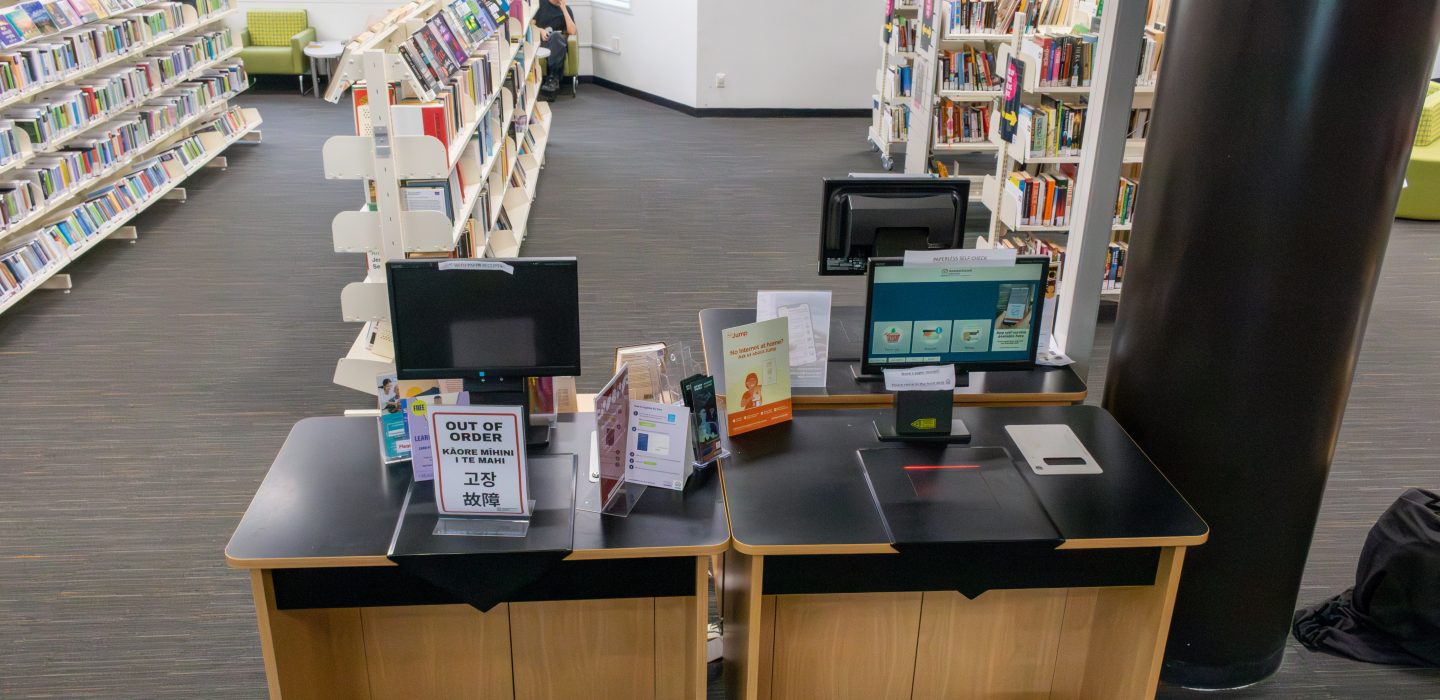

The post After Years of Pushing Self-Checkout, Why Are Some Retailers Suddenly Rethinking It? First appeared on Crafting Your Home.
Grocery shopping once meant putting your items on a conveyor belt and having a cashier scan them. That changed when retailers introduced self-checkout machines, promising shorter lines and faster trips.
At first, self-checkout seemed promising. Customers could scan and bag items themselves, avoiding cashier lines. Retailers saw a way to reduce staff and checkout costs.
But something unexpected happened.
Customers faced scanning errors, employees had to supervise multiple machines, and retailers questioned whether the technology delivered expected savings.
Now, companies including Target, Dollar General, and Walmart have changed their self-checkout operations. New industry findings suggest that some smaller retailers are also reconsidering the technology.
So why are stores retreating from a system they promoted for years? The answer exposes the hidden costs of automation and shifting customer expectations.
Related: 6 Grocery Staples Consumers Are Saying Goodbye To
The Self-Checkout Revolution Has Hit an Unexpected Roadblock
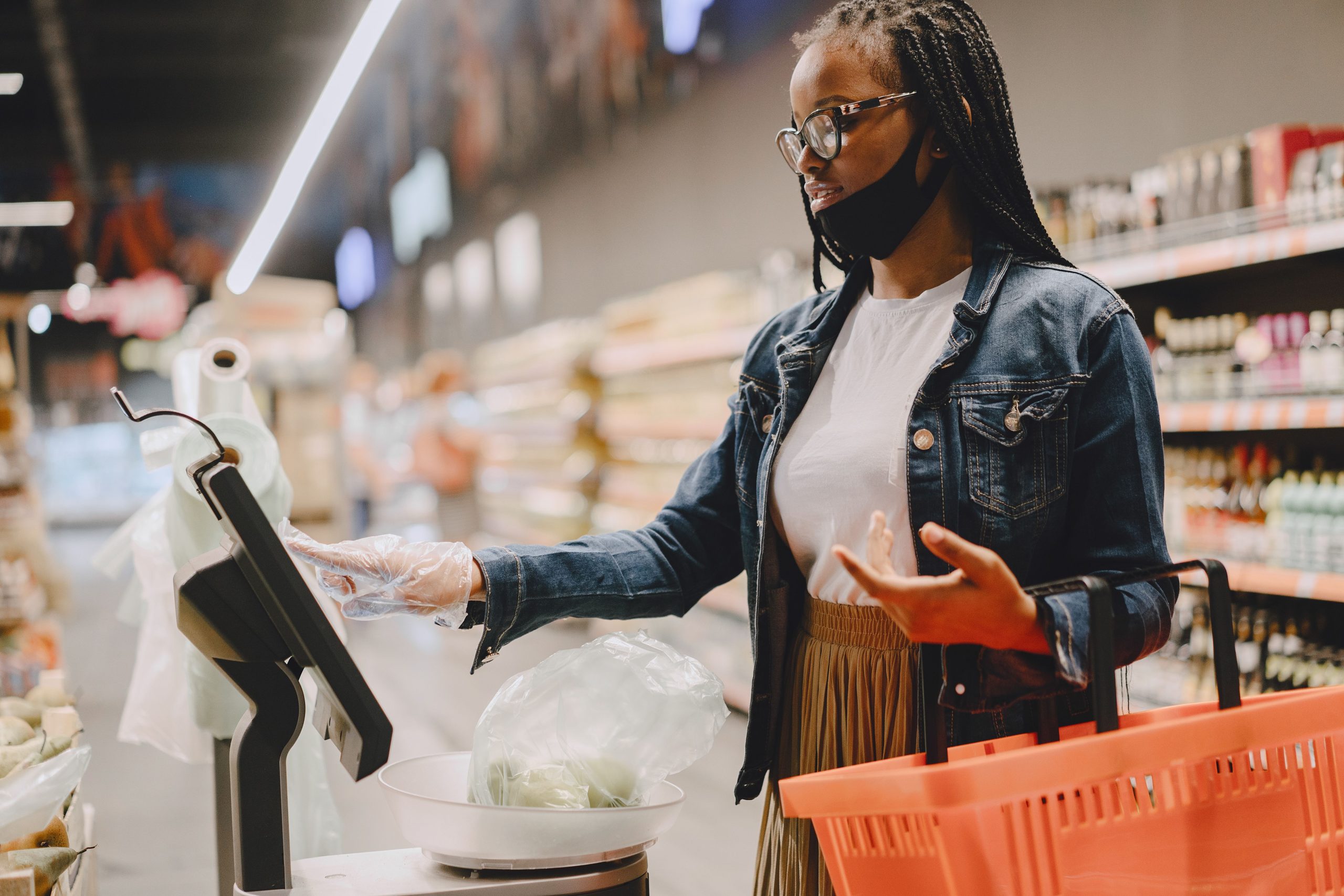
Self-checkout machines aimed to make shopping more efficient by offering an alternative to traditional cashier lanes.
For shoppers buying only a few items, the arrangement could be convenient. A quick grocery trip no longer required joining a lengthy line behind customers with full shopping carts.
Retailers also saw opportunities to reduce checkout labor requirements.
However, self-checkout still required employee help for machine malfunctions, scanning failures, or customer assistance.
These complications eventually raised doubts about replacing traditional checkout lanes.
A September 2026 report by Retail Brew highlighted findings from retail technology company Toast. Its survey of 340 decision-makers at smaller U.S. retail businesses found that 36% reported using self-checkout in 2026, compared with 43% in 2025.
That represents a 16.3% relative decline in adoption among the surveyed businesses, rather than a 16.3% decline across every American retailer.
Related: Big Chains Still Have a Shoplifting Problem Despite Self-Checkout: Here Are 8 Reasons Why
Dollar General Made One of the Biggest Changes
One of the clearest examples comes from Dollar General.
The discount retailer previously experimented with stores that relied heavily on self-checkout. But its approach changed as inventory losses became a growing concern.
In 2024, Dollar General converted some or all self-checkout registers to assisted checkout in approximately 12,000 stores.
The company also restricted remaining self-checkout transactions to customers buying five items or fewer.
Dollar General described these changes in its regulatory filings as part of its efforts to reduce inventory shrink and improve customer and employee experiences.
Shrink refers to merchandise losses caused by theft, mistakes, damage, and other inventory discrepancies.
The changes became particularly significant when the company reported improvements in its financial performance.
In June 2025, Retail Dive reported that lower inventory shrink helped improve Dollar General’s gross margin during the first quarter.
Although multiple factors influence a retailer’s financial results, the development reinforced the company’s decision to reconsider its reliance on automated checkout.
Related: Black Friday Is Losing Its Grip: Why Americans Are Shopping for the Holidays in October
Target Discovered That Smaller Purchases Work Better
While Dollar General made substantial reductions, Target took a different approach.
In March 2024, Target introduced Express Self-Checkout at most of its nearly 2,000 stores, limiting those lanes to customers purchasing 10 items or fewer.
Shoppers with fuller carts were directed toward traditional cashier-operated lanes.
The goal was to match customers with the checkout service best suited to their shopping needs.
A year later, Target reported encouraging results.
According to the company’s May 2025 update, overall transaction times had improved by nearly 8% across self-checkout and staffed lanes.
Target also reported improvements in customer satisfaction measures related to waiting times and employee interactions.
Instead of eliminating self-checkout, Target used it more selectively.
Sometimes, giving customers fewer but better checkout options improves convenience.
Walmart Has Also Reconsidered Its Checkout Layouts
Walmart has also made changes, although its approach has varied by location.
In April 2024, Walmart was removing self-checkout stations from selected stores, including locations in Shrewsbury, Missouri, and Cleveland, Ohio.
Those stores were moving toward cashier-operated registers.
The changes followed earlier removals at selected New Mexico locations.
However, Walmart did not announce a nationwide elimination of self-checkout.
Instead, the company adjusted checkout layouts based on each store’s needs and customer experience.
Removing machines at some stores does not mean the whole chain has abandoned the technology.
For shoppers, it also explains why one Walmart location may have several self-service stations while another relies more heavily on traditional registers.
Merchandise Losses Are a Major Concern
One of the strongest arguments against widespread self-checkout comes from research into inventory losses.
In June 2026, the University of Leicester published findings from research led by criminologist Professor Matt Hopkins.
The study involved 39 participating retailers and examined the relationship between checkout systems and merchandise losses.
Researchers found that retailers experienced an average 22% increase in losses during the first year after introducing self-checkout.
Importantly, they did not attribute those losses entirely to deliberate theft.
The researchers identified several contributing factors, including missed scans, incorrect product selections, difficult barcodes, and unfamiliar checkout interfaces.
That creates a complicated problem for retailers.
A customer might accidentally overlook an item while scanning a crowded basket. Someone else might struggle to find the correct produce code. Another shopper could intentionally avoid scanning an expensive product.
The outcome may look similar in the store’s inventory records, even though the reasons are different.
For retailers, small transaction errors can quickly add up to large losses.
Customers Are Questioning Whether the Machines Really Save Time
The promise of self-checkout has always centered on convenience.
But when a quick transaction goes wrong, frustration rises.
You scan your groceries, place an item in the bagging area, and the machine suddenly asks for assistance.
An employee is already helping another shopper. Your screen freezes, and the line behind you keeps growing.
Suddenly, the cashier-operated register you avoided begins looking much more appealing.
This frustration drives much of the debate about automated checkout.
Self-checkout works for simple purchases, but becomes less convenient for large baskets, unusual products, or transactions needing staff approval.
Research published by the University of Leicester also identified unfamiliar interfaces and scanning difficulties as contributors to checkout errors.
Faster technology does not always mean a smoother experience.
Traditional Cashiers Are Making a Comeback in Some Stores
For years, automated checkout was presented as an important part of retail’s future.
Now, some retailers see the value of having employees handle purchases directly.
Cashiers can scan items, answer questions, correct pricing issues, and assist customers without requiring them to operate the register.
This doesn’t mean every shopper prefers human assistance.
Some customers appreciate self-checkout because they enjoy controlling the pace of their purchases or completing smaller transactions independently.
Others prefer a traditional cashier, particularly when shopping for an entire household.
Retailers must balance these preferences.
Target’s experience illustrates this approach. Its decision to limit self-checkout to smaller purchases was accompanied by increased access to staffed registers.
The company reported that more customers began choosing traditional checkout lanes after the changes.
Self-Checkout Isn’t Disappearing Everywhere
Despite the changes, declaring self-checkout dead would be misleading.
Some retailers continue investing in automated checkout systems, including technology designed to recognize products and simplify scanning.
An October 2026 Washington Post report described an industry experimenting with different approaches rather than moving uniformly away from automation.
The report cited survey data indicating that self-checkout accounted for 33% of supermarket transactions in 2025, compared with 35% the previous year.
That decline suggests a modest adjustment, not the disappearance of self-service shopping.
Retailers are also exploring improvements that could address common frustrations.
For example, computer vision systems may help identify products without requiring shoppers to search manually for codes.
Whether these technologies will produce better results across different types of stores remains an open question.
What the Changes Mean for Everyday Shoppers
For consumers, the most noticeable differences may involve store layouts and checkout rules.
At some retailers, shoppers with large carts may be directed to cashier-operated lanes.
Other stores may operate fewer self-checkout stations or res