


Artificial Intelligence (AI) has become one of the most talked-about topics in today’s world. Yet, despite its rapidly growing presence, there are numerous misconceptions about what AI truly is and what it is capable of. These myths not only shape public opinion but also hinder the understanding of AI’s potential benefits.
In this article, we will uncover and correct the top ten biggest misconceptions about artificial intelligence. By shedding light on these myths, we hope to foster a better, more accurate understanding of AI’s role in modern society.
AI and Human Intelligence Are the Same

A common misconception is that AI functions similarly to human intelligence. While AI may attempt to mimic human behavior, it is fundamentally different from human intelligence. Human intelligence is based on emotional, psychological, and cognitive factors, allowing humans to think abstractly, adapt to new situations, and engage in complex decision-making. In contrast, AI is a set of algorithms designed to perform specific tasks using data and logic. AI lacks emotional depth and the ability to make moral or subjective decisions, which are core components of human intelligence.
AI Will Replace All Jobs
A persistent fear about AI is that it will lead to widespread job losses. While AI can automate certain tasks, it is unlikely to replace all jobs, especially those that require creativity, emotional intelligence, or complex decision-making. Instead of rendering humans obsolete, AI will more likely augment human abilities, taking over mundane tasks and freeing up people to focus on higher-level responsibilities.
For instance, AI may replace jobs in industries like manufacturing or customer service, but it will also create new roles in fields such as AI management, machine learning engineering, and data science. According to the World Economic Forum, while AI may displace millions of jobs, it will also create many more. Far from being a job-killer, AI is a tool that can enhance human productivity and lead to more specialized, higher-paying roles.
AI Is a Perfect Technology
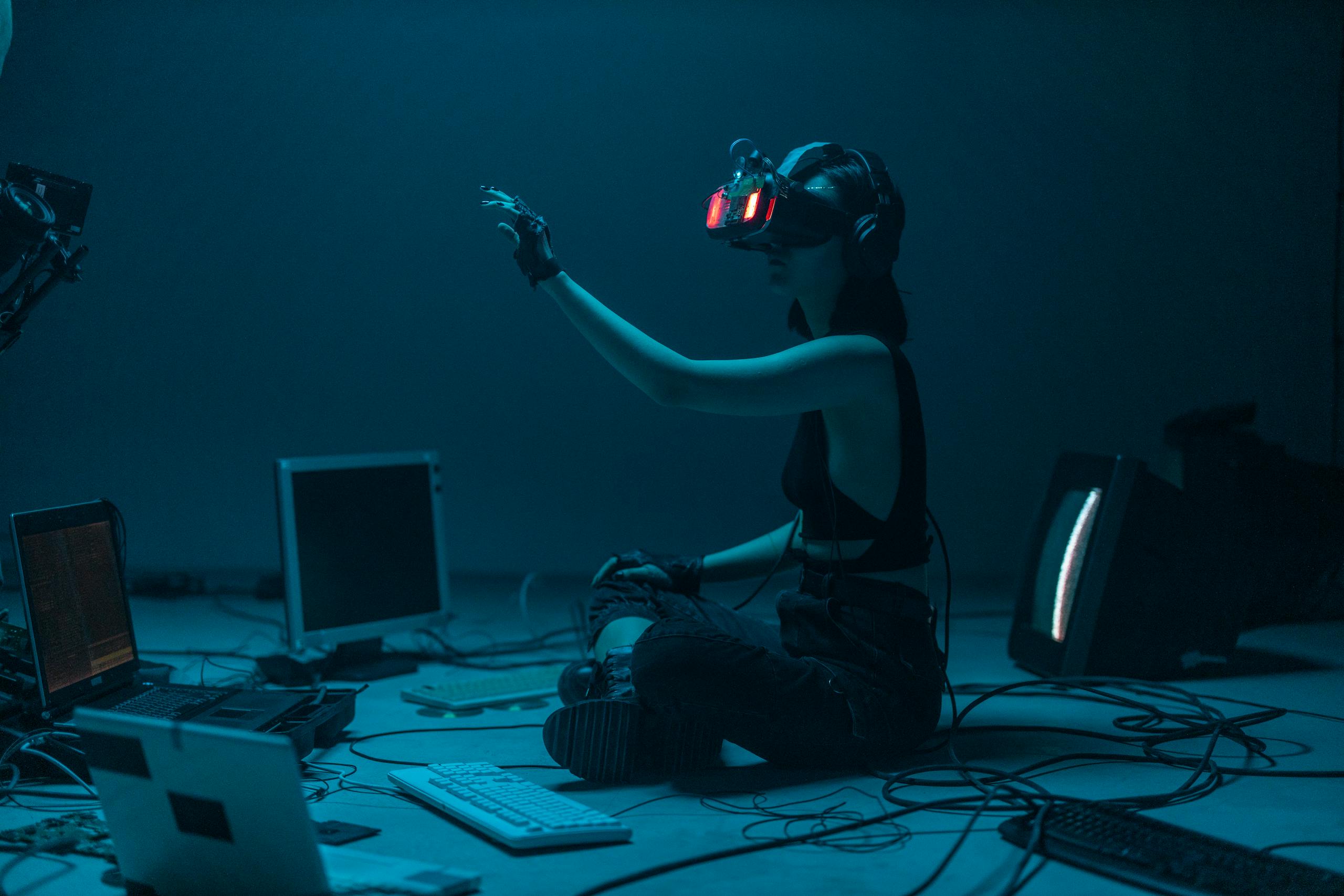
Many people believe that once AI is developed, it will operate flawlessly without error. However, this is far from the truth. AI systems are only as good as the data they are trained on. If the data is biased, incomplete, or flawed, the AI’s decisions will be flawed as well. Even the most advanced AI systems can make mistakes, especially when faced with situations they weren’t trained to handle.
AI Is Only for Robots
It’s easy to assume that AI is synonymous with robots, especially given the portrayal of intelligent machines in science fiction. While robots are one application of AI, the scope of artificial intelligence is much broader. AI encompasses a wide range of technologies designed to perform tasks that require human-like intelligence. These include machine learning, natural language processing, image recognition, and speech recognition.
AI Is a Recent Development
Many people believe that artificial intelligence is a recent invention. However, the concept of AI dates back to the 1950s. Early pioneers like Alan Turing, John McCarthy, and Marvin Minsky laid the groundwork for modern AI in the mid-20th century. The field of AI research formally began in 1956, when the term “artificial intelligence” was coined at the Dartmouth Conference.
AI Will Take Over the World
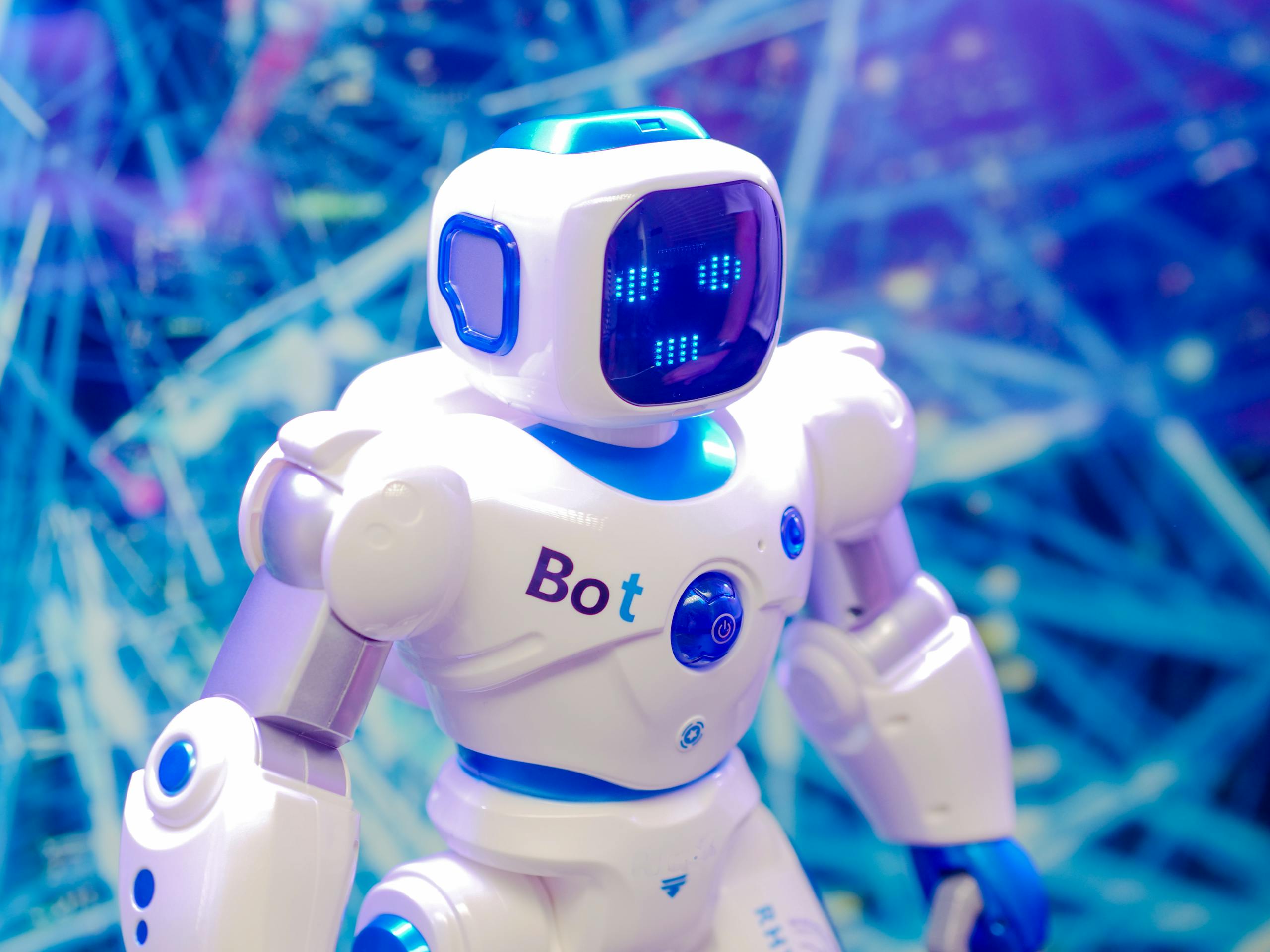
The idea of AI becoming self-aware and taking over the world is a trope often portrayed in movies and television. In reality, this fear is largely unfounded. AI is a tool created and controlled by humans that operates within the parameters set by its developers. While AI has the potential to cause harm, the vast majority of AI applications are focused on improving efficiency, solving problems, and enhancing human life.
AI Has Consciousness
Another widespread myth is that AI has consciousness or awareness. While AI systems can process information, make decisions, and even engage in conversations, they do not possess consciousness, self-awareness, or emotions. AI operates based on pre-programmed algorithms and data, not subjective experiences or inner thoughts.
AI Is Only for Large Corporations

While large corporations were the primary adopters of AI technologies in the past, AI is now accessible to businesses of all sizes. With advancements in cloud computing and the availability of affordable AI tools, small businesses can now leverage AI to streamline operations, improve customer service, and boost productivity.
AI Will Always Be Infallible
It’s easy to assume that once AI systems are perfected, they will always make the right decisions. However, AI is far from infallible. It’s only as reliable as the data it’s trained on, and even the most advanced models can make mistakes, sometimes with serious consequences.
AI Is a Threat to Humanity
Finally, one of the most persistent fears surrounding AI is that it could pose a direct threat to humanity. While AI does present challenges—such as the potential for job displacement and ethical concerns—it is not inherently dangerous. The key to AI’s safe integration into society lies in responsible development and regulation.
Embracing the Future of AI
Artificial Intelligence is undoubtedly one of the most transformative technologies of our time. Yet, its rapid advancement has led to misunderstandings and misconceptions that often prevent people from fully appreciating its potential. By dispelling the myths surrounding AI, we can pave the way for a future in which AI works alongside humans to solve the world’s most pressing challenges.
AI is not a replacement for human intelligence; it is a tool that enhances human capabilities. It will not replace all jobs, but it will create new ones and redefine existing roles. While AI is powerful, it is not infallible and requires constant refinement. It is not limited to robots or large corporations; businesses of all sizes can benefit from AI. AI does not pose an existential threat to humanity, but it does require careful regulation and oversight.


