


Our homes and gardens are often seen as personal havens, sanctuaries where we can unwind and take control of our surroundings. However, nature doesn’t always respect our boundaries. The creatures that move into our spaces may not be as easy to remove as we think. Some of these animals are protected by law due to their importance in ecosystems, their endangered status, or their vital roles in maintaining environmental health.
Here are creatures that you cannot legally remove from your home or garden, and why respecting these laws is important.
Non-Venomous Snakes
Though many people find non-venomous snakes unsettling, these reptiles are vital for maintaining the balance of your garden’s ecosystem. Species like the garter snake and milk snake are often protected under state or federal regulations, particularly in areas where they are endangered. These snakes help control pests such as rodents and slugs, making them valuable contributors to a healthy garden. Before considering removal, always check local wildlife regulations to ensure you’re not harming a protected species.
Woodpeckers
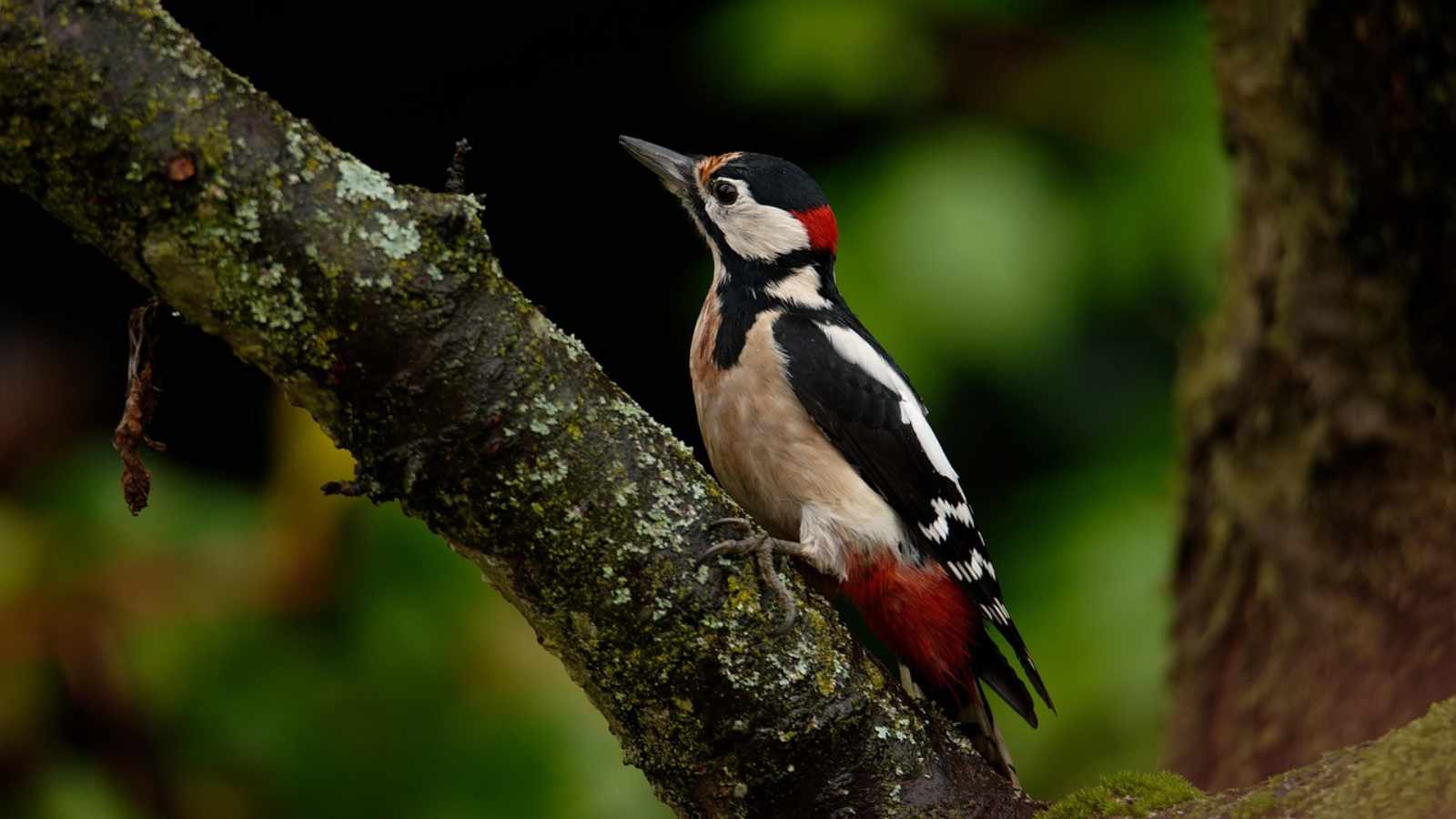
Woodpeckers are known for their unique tree-tapping behavior, which can sometimes lead them to your home’s exterior. However, under the Migratory Bird Treaty Act (MBTA), woodpeckers are protected. These industrious birds play a crucial ecological role by controlling populations of tree-boring insects, helping ensure the health of your trees. Disturbing them or their nests is illegal, and doing so may lead to hefty fines or other legal consequences.
Migratory Birds
Migratory birds, including robins and sparrows, have long been protected under the Migratory Bird Treaty Act of 1918. With over 1,000 species covered by this act, it’s crucial to recognize the importance of these birds in our ecosystems. Migratory birds not only help control insect populations but also contribute to pollination. Disturbing their nests, eggs, or feathers is illegal because it can threaten their already declining populations.
Frogs and Toads
Frogs and toads are integral to the health of your garden. They control insect populations and serve as an important food source for other animals in the food chain. Many species are now protected due to declining populations, particularly in areas where habitat loss and pollution have taken a toll. In some regions, it is illegal to catch or remove them, as they are considered vital indicators of environmental health.
Bald and Golden Eagles
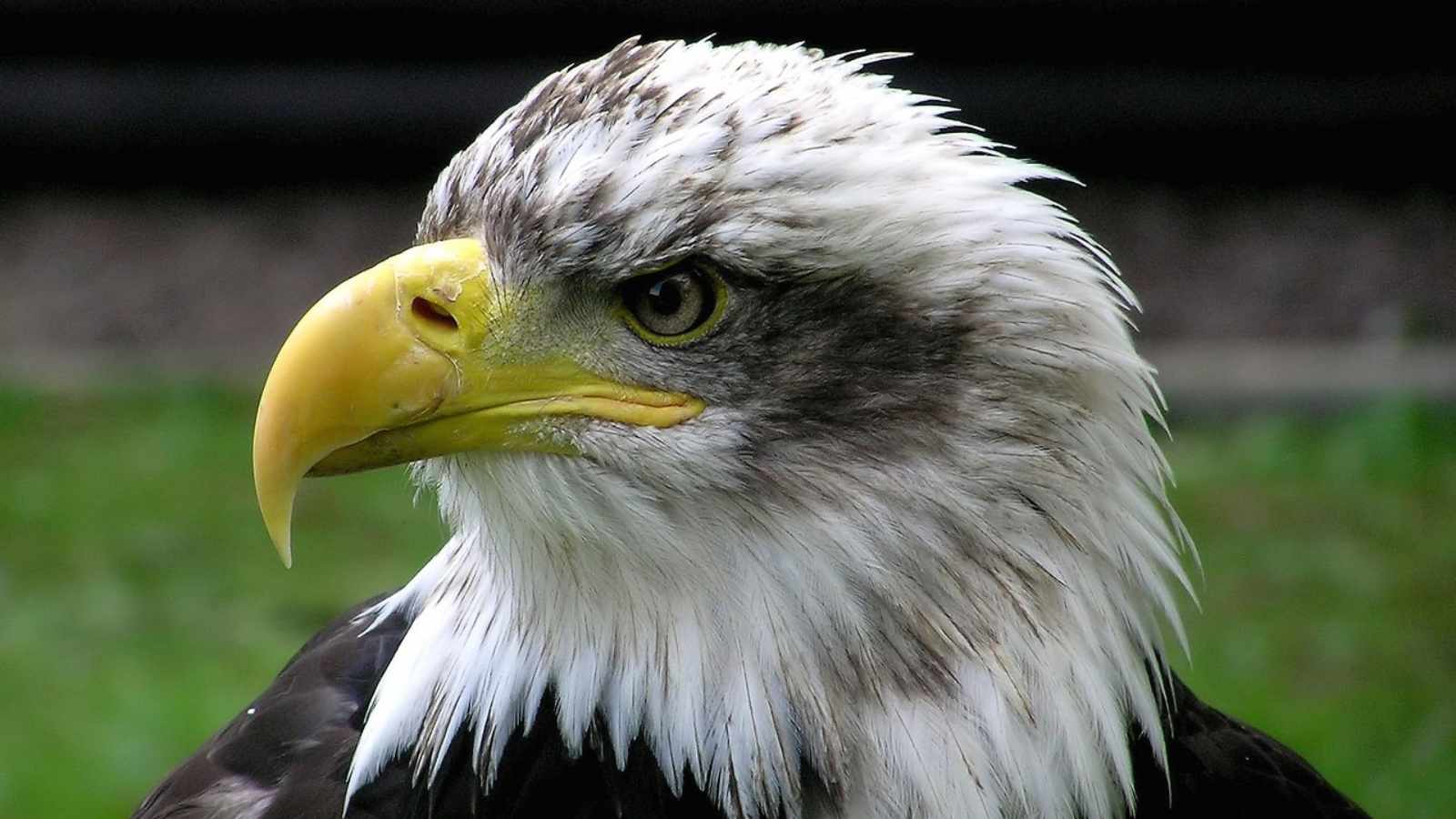
The Bald Eagle and Golden Eagle are two of the most iconic birds in North America. Protected under the Bald and Golden Eagle Protection Act and the Migratory Bird Treaty Act, it is illegal to harm, capture, or disturb these majestic birds, including their nests or eggs. These laws ensure that these birds of prey continue to thrive in the wild and are preserved for future generations.
Hummingbirds
Hummingbirds are small, delicate creatures that add vibrant energy to any garden. These birds are protected under the Migratory Bird Treaty Act, and it is illegal to disturb their nests or attempt to capture them. These fascinating birds are also incredibly important for pollination, contributing to the health of many flowering plants. Enjoy them from a distance, but be sure to leave their nests undisturbed.
Owls
All native owl species are protected under the Migratory Bird Treaty Act. Owls are vital to controlling populations of small rodents and other pests in your garden. If an owl decides to make your property its home, it’s a sign of a balanced ecosystem. It is illegal to disturb an owl’s nest or remove an owl from its roost, as they are protected by law and are considered a valuable part of natural pest control.
Bats
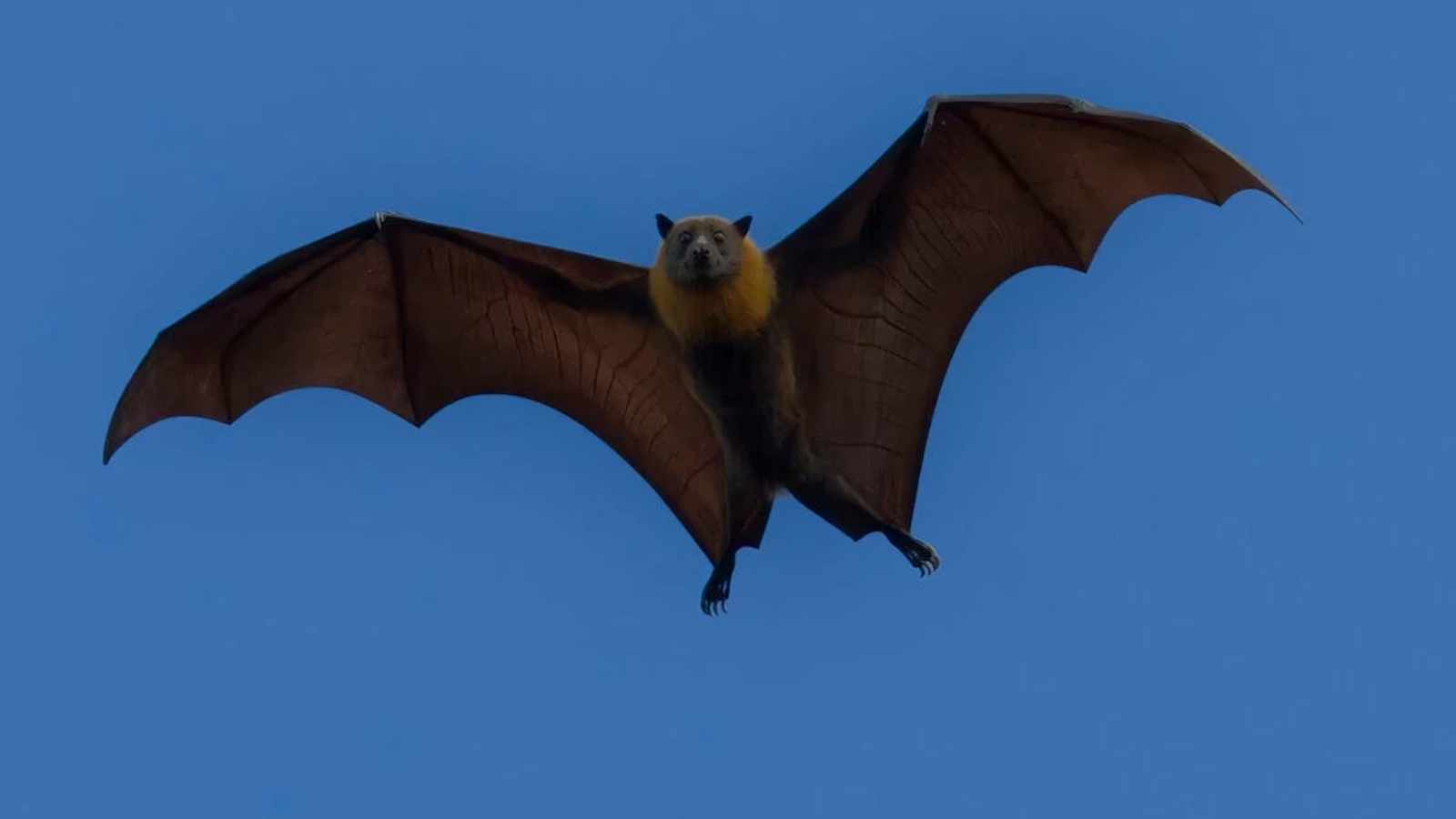
Bats are important to pest control in gardens, as they consume vast numbers of insects, including mosquitoes and beetles. Many bat species are protected due to declining populations. Removing a bat colony, particularly a maternity colony, can have significant environmental impacts and can lead to legal consequences. In many places, disturbing a bat roost or removing bats without the proper permits is illegal.


