The animal kingdom is an ever-changing landscape, where countless species face the grim reality of extinction. The natural world constantly adapts, yet not all species fall prey to the forces of time, habitat loss, or climate change. In the face of adversity, some extraordinary creatures have defied the odds, refusing to go extinct. Their stories serve as shining examples of life’s resilience and the power of conservation efforts. Here, we dive into the stories of 10 species that beat the odds and made an awe-inspiring comeback.
Peregrine Falcon
Image Credit: Gemini AI
Once on the brink of extinction, the peregrine falcon is now one of the most iconic examples of species recovery. `This magnificent bird, known for its incredible speed, reaching up to 240 miles per hour during its hunting dives, was severely impacted by the widespread use of DDT, a pesticide that thinned its eggshells, causing reproductive failure. By the mid-20th century, peregrine falcons had virtually disappeared from eastern North America, and their numbers were severely dwindling in the western United States.
The story of the peregrine’s recovery is one of coordinated efforts and perseverance. The Peregrine Fund, established in 1970, played a pivotal role in breeding and reintroducing falcons into the wild. By the late 1990s, more than 6,000 falcons were released back into their habitats. Thanks to strict bans on harmful pesticides and the success of reintroduction programs, the peregrine falcon was officially removed from the endangered species list in 1999. Today, they thrive in urban environments, often nesting on skyscrapers and bridges, a testament to the adaptability of this remarkable bird.
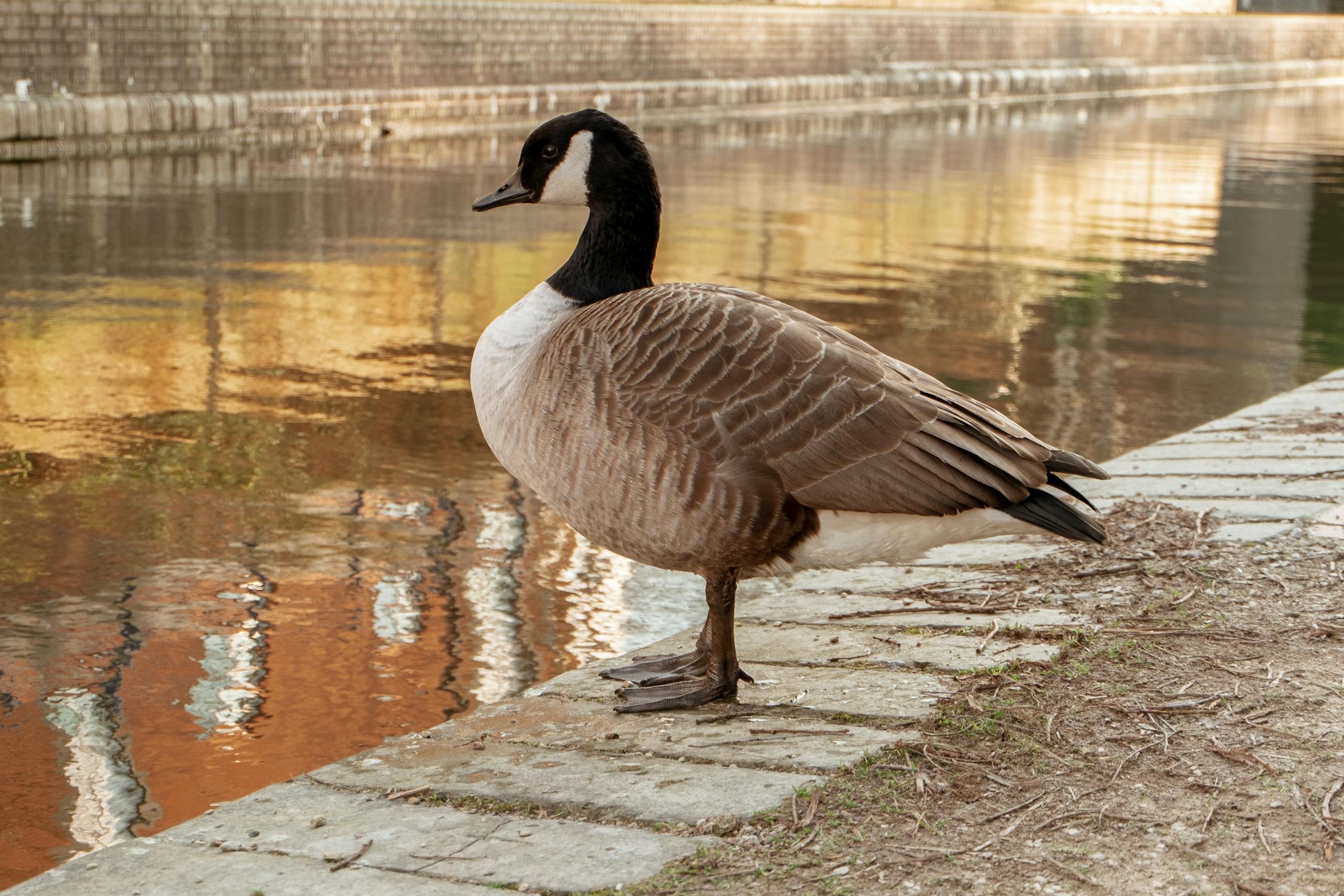
Aleutian Canada Goose
Image Credit: Olga Lioncat via Pexels
The Aleutian Canada goose’s comeback is a fascinating tale of recovery in the face of seemingly insurmountable odds. Originally found in the Aleutian Islands of Alaska, this goose saw its population plummet in the mid-20th century due to the introduction of foxes to the islands for fur trading. The foxes preyed heavily on the geese’s eggs and young, and by the late 1930s, the species was thought to be extinct.
However, a small population of these geese was rediscovered on a remote island in 1962. Through meticulous conservation efforts, such as habitat restoration, predator control, and breeding programs, the Aleutian Canada goose population rebounded dramatically. By 2001, the species was removed from the endangered species list after reaching over 30,000 individuals. Today, the Aleutian Canada goose is a success story of targeted conservation strategies, proving that with careful planning and commitment, even the most endangered species can make a remarkable recovery.
Galápagos Giant Tortoise
The Galápagos Islands are home to some of the most iconic creatures on Earth, and among them is the Galápagos giant tortoise. These ancient reptiles were on the brink of extinction by the mid-20th century, with only a handful of individuals remaining on the island of Española. This near-extinction event was a result of human activity, including hunting, the introduction of invasive species, and habitat destruction.
In a true conservation miracle, Diego, a tortoise over 100 years old, became the focal point of a successful captive-breeding program in the 1960s. Over the years, Diego fathered more than 800 offspring, helping restore the population to sustainable levels. By 2020, the tortoise population on Española reached over 1,800 individuals. Conservation efforts also included eradicating invasive species, such as goats, which had devastated the islands’ vegetation. This successful restoration effort not only saved the Galápagos giant tortoise from extinction but also helped preserve the islands’ unique ecosystems.
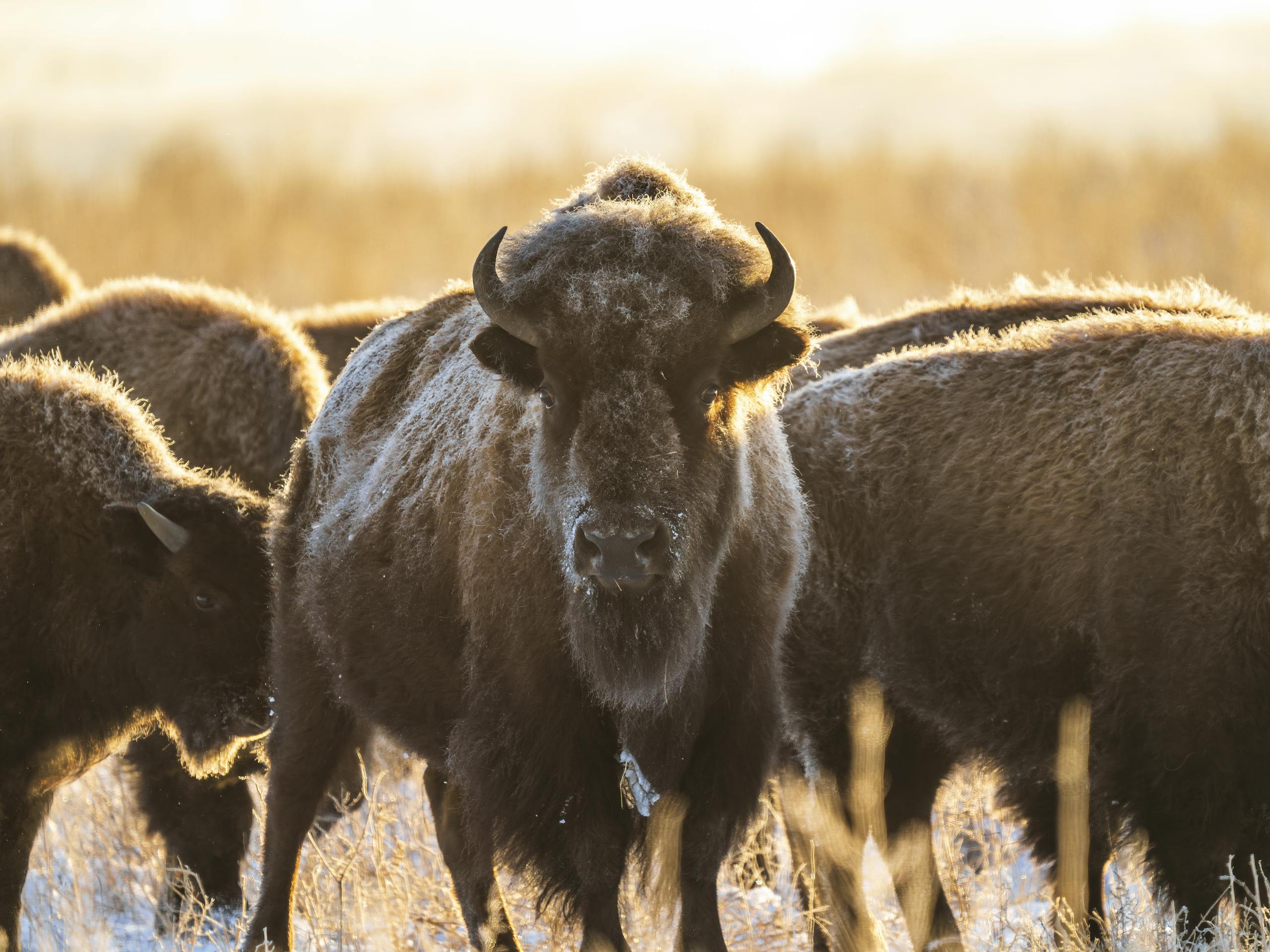
American Bison
Image Credit: We Care Wild via Pexels
The American bison is a symbol of the Wild West and an emblem of the American frontier. Once numbering in the tens of millions, bison roamed the plains of North America, providing essential resources to Native American tribes. However, by the late 19th century, bison populations were decimated by overhunting, habitat destruction, and the expansion of the railroads.
By 1890, fewer than 1,000 bison remained, and the species was teetering on the edge of extinction. Thanks to the efforts of conservationists, including President Theodore Roosevelt, bison preservation programs were established in national parks like Yellowstone. These efforts allowed the bison population to increase, and today, an estimated 20,000 bison roam in the wild, primarily in protected reserves. Though still far from the massive herds that once covered the plains, the American bison’s recovery remains a powerful symbol of conservation success.
Golden Lion Tamarin
The golden lion tamarin is a small primate native to the Atlantic Forest in southeastern Brazil. These striking creatures, with their vivid golden fur and distinct manes, were once on the brink of extinction. By the 1960s, rampant deforestation had destroyed much of the tamarin’s habitat, leaving the species with a fragmented and isolated population.
In the 1980s, an international conservation effort was launched to save the golden lion tamarin. A combination of captive breeding programs, habitat restoration, and reforestation efforts resulted in a population rebound. Today, there are over 3,000 golden lion tamarins in the wild, although continued deforestation remains a threat to their future. Their recovery highlights the importance of habitat connectivity and the need for large-scale environmental preservation efforts.
Pemba Flying Fox
The Pemba flying fox, a large fruit bat native to the island of Pemba in Tanzania, faced a dramatic decline in the late 20th century. Habitat loss and hunting for bushmeat had reduced the population to dangerously low levels, putting the species on the brink of extinction.
Conservation efforts, spearheaded by organizations like Fauna & Flora International, focused on protecting the remaining forests and educating local communities about the ecological importance of the flying fox. As a result, the population has slowly rebounded, and today, there are between 22,000 and 35,000 Pemba flying foxes. These bats play a crucial role as pollinators and seed dispersers, making their recovery vital to the island’s ecosystem.
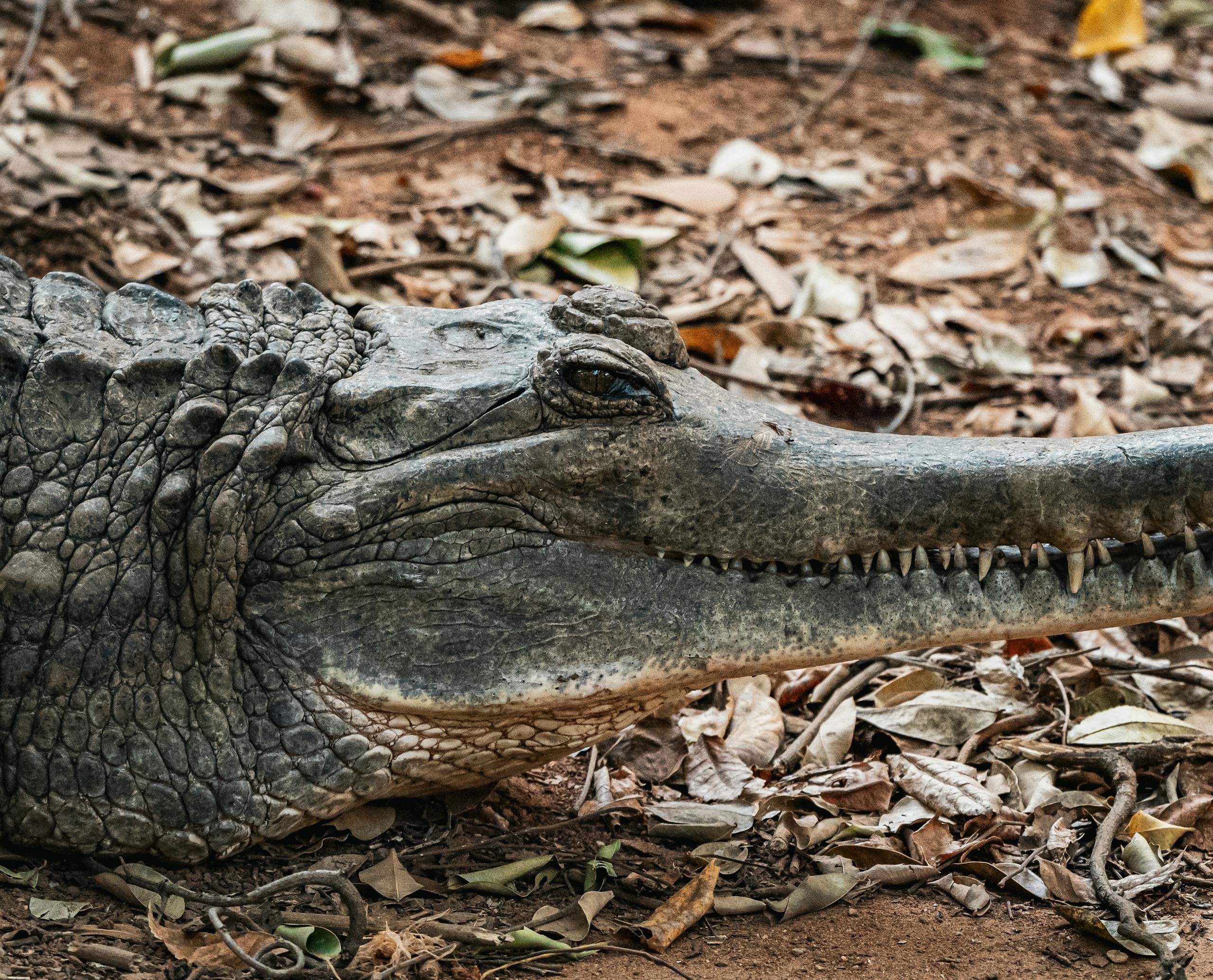
Siamese Crocodile
Image Credit: Optical Chemist via Pexels
The Siamese crocodile, native to Southeast Asia, was once widespread across the region. However, habitat destruction and hunting for their valuable skins pushed the species to the brink of extinction by the 1990s. By then, only about 200 crocodiles were believed to remain in Cambodia’s Cardamom Mountains.
Conservationists launched a concerted effort to save the species, including habitat protection, captive breeding, and reintroduction programs. By 2022, the population had grown to around 1,000 individuals, many of whom lived in protected areas such as the Pang Wildlife Reserve. The Siamese crocodile’s recovery is a testament to the power of targeted conservation efforts and the importance of preserving fragile ecosystems.
Monito Gecko
The Monito gecko is a small reptile found only on Monito Island, off the coast of Puerto Rico. The species was severely impacted by the introduction of invasive rats, which preyed on its eggs and young. By the 1980s, the gecko’s numbers had dwindled to near extinction.
In response, conservationists implemented an intensive rat eradication program on Monito Island, and by 2014, the island was declared rat-free. As a result, the Monito gecko population surged, and by 2019, there were nearly 7,600 geckos living in the wild. This success highlights the importance of controlling invasive species and provides hope for other endangered species facing similar threats.
Przewalski’s Horse
Przewalski’s horse, the last truly wild horse species, once roamed the steppes of Central Asia. By the 1960s, the species was considered extinct in the wild, with only 12 individuals remaining in captivity. Overgrazing, harsh winters, and human encroachment had pushed the species to the brink.
Through a global conservation effort that included captive breeding programs and reintroductions into the wild, Przewalski’s horse is making a comeback. Today, an estimated 2,000 individuals live in the wild across Mongolia, China, and Kazakhstan. Though still endangered, the species’ return to the wild is a remarkable success story that demonstrates the power of global cooperation in conservation.
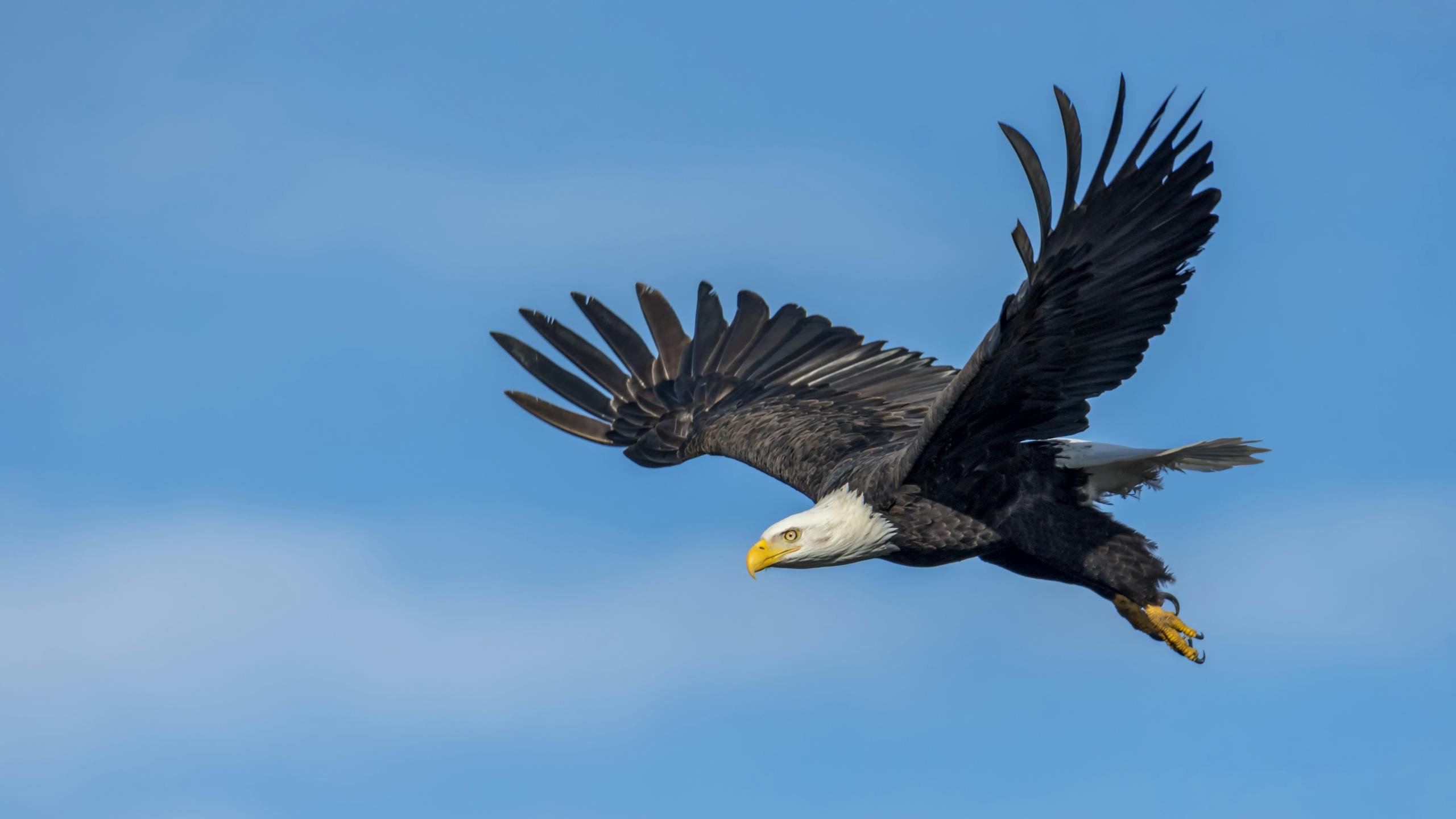
Bald Eagle
Image Credit: Frank Cone via Pexels
The bald eagle, symbol of the United States, faced near extinction in the 20th century due to hunting, habitat destruction, and the effects of DDT, which caused eggshell thinning and nest failure. By the 1950s, only around 400 bald eagles remained in the lower 48 states.
Thanks to conservation efforts such as the 1972 ban on DDT, habitat restoration, and reintroduction programs, the bald eagle’s population has rebounded dramatically. Today, there are over 300,000 bald eagles in the wild, and the species was removed from the endangered species list in 2007. The bald eagle’s recovery is not only a testament to the power of conservation but also a symbol of life’s resilience.
Conclusion
The stories of these 10 remarkable species serve as powerful reminders that extinction is not always an inevitable fate. Through concerted efforts, collaboration, and a commitment to preserving ecosystems and habitats, we can help ensure that future generations will continue to witness the wonders of our natural world.
Each of these species had faced seemingly insurmountable challenges, but thanks to the dedication of conservationists, scientists, and local communities, they have made incredible recoveries. Their success offers hope for other endangered species and highlights the importance of continued conservation efforts.
It’s essential that we remember these success stories as we continue to confront the challenges posed by climate change, habitat loss, and the growing threat of human activity. By taking action now, we can secure a brighter future for all species, ensuring that these remarkable animals will continue to thrive for generations to come.
Abundance Ota is a content writer and blogger with a passion for telling stories that inform, engage, and connect with readers.
Her work focuses on lifestyle, trending topics, and human interest stories, bringing readers timely insights and fresh perspectives.
With a commitment to accuracy and clear communication, she strives to create content that not only informs but also encourages thoughtful discussion and a deeper understanding of the world around us.
A polygraph, commonly known as a lie detector, measures physiological responses such as heart rate, blood pressure, and breathing to determine whether…