
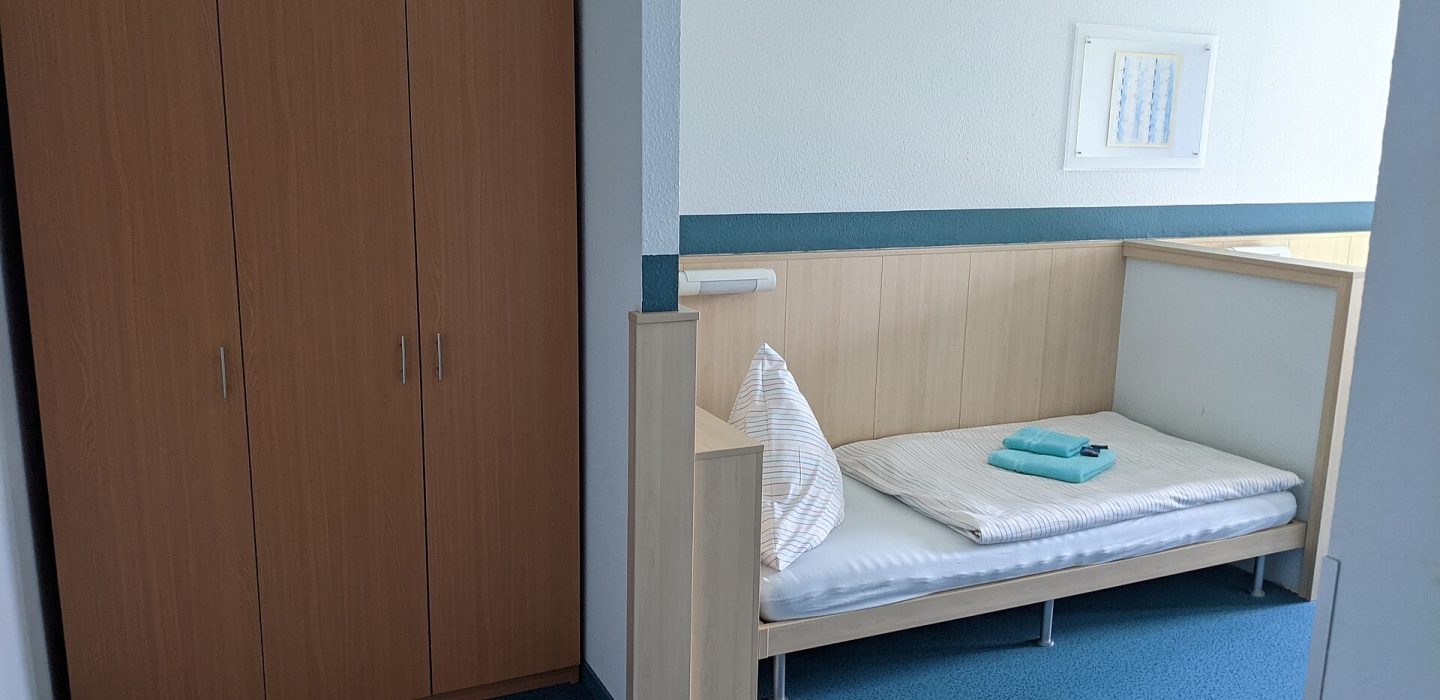

It is half past ten on a weeknight. One spouse is propped up with a book and a lamp, the other has been asleep for an hour, and the quiet agreement in the house is that somebody will head down the hall before the night is over.
Plenty of married couples have made that arrangement official. A 2017 National Sleep Foundation poll, cited by AARP, found nearly 1 in 4 couples sleep apart, and counselors say the reasons are usually practical rather than romantic. Five come up again and again.
Snoring That Keeps One Partner Awake

AARP calls snoring a main cause of couples moving to separate rooms, and TODAY lists it first among the reasons too. A noisy night leaves one person rested and the other cranky by breakfast, and that mood tends to spill into the day, much like the small habits described in a closer look at couples who choose separate bedrooms.
Erica Scoville of Richland, Washington, told TODAY that her husband’s snoring and body heat made bedtime a potential war zone, so the two began sleeping apart. Her take was simple: sleep is important to everyone. Couples in that spot, a theme echoed in a list of habits of women who know their worth, often find that a closed door ends the nightly standoff, and boundaries matter in marriage generally, as women over 50 describe in a post on what they no longer tolerate.
Body Heat and Room Temperature
One partner runs warm, the other pulls the quilt to the chin, and the thermostat becomes a nightly negotiation. TODAY names body heat as a reason couples split up the sleeping arrangements, while AARP points to room temperature that suits one person and not the other.
A separate room lets each person set the window, the fan and the blankets without a debate. Couples who value a calmer routine before lights-out often find that comfort makes the evening easier on both.
Bedtimes and Wake-Up Times That Do Not Match
A night owl and an early riser rarely keep the same hours, and different sleep and wake schedules show up in TODAY’s list of reasons. One person rises at dawn for work while the other wants the television on until midnight, so a shared bed means someone is always disturbed.
Michael Breus, the clinical psychologist known as The Sleep Doctor, told TODAY about couples who sleep apart on weeknights and together on weekends, which keeps the work week on track without giving up the closeness of a shared bed. It is a middle path that suits many mismatched schedules, and it fits with the habit of carving out personal space that many couples describe. Morning people may also appreciate a quiet cup of coffee at dawn without worrying about waking anyone.
Mattress Firmness, Pets and Bedtime Screens
AARP also lists mattress firmness, pets in the bed and bedtime technology among the common triggers. A mattress that feels perfect to one person can be too hard or too soft for the other, and a dog that sprawls across the covers or a phone that glows at midnight can wear on a partner’s patience. Comfort at home often starts with furniture, and furniture trends for 2026 homes reflect that.
Some couples settle these with adjustable beds that let each side have its own firmness, a tip AARP mentions. Others decide the simplest fix is a second room. The choice often ends the small daily irritations, something that couples with good bedtime routines tend to value, whether they share a room or not. A cozy bedroom of one’s own can be a project too, as cozy winter crafts show.
A Wish for Personal Space
The fifth reason is the simplest to say and the hardest to explain. Some spouses just want a little room of their own at bedtime, a spot to read, unwind and fall asleep on their own terms. TODAY lists wanting personal space among the reasons, and couples interviewed for the story described benefits such as less bedtime conflict and a fresh start each morning.
Anna Marie Boyd, a licensed professional counselor in Houston, told AARP that separate bedrooms do not have to carry a negative meaning, and that rigid social expectations make the choice seem worse than it is. Shelby Harris, a clinical psychologist and director of sleep health at Sleepopolis, said a deliberate decision to sleep apart can help let go of resentment tied to poor sleep.
Not every expert sees only upside. Mark Sharp, a licensed clinical psychologist in Oak Brook, Illinois, told AARP that separate rooms can mask deeper issues or become a way to pull away, and that couples who share a bed often talk about their days, which keeps them connected. Intimacy may need to be planned when couples sleep apart, he added.
Couples who make the move can protect the relationship with a few habits drawn from the experts. Tamara Green, a New York couples therapist, said she has seen the arrangement improve relationships and love lives, and that well-rested couples are better able to hear each other out and get their needs met.
Her suggestions include raising the idea with love and appreciation, using inclusive language rather than blame, and presenting the change as something that could work for both partners. Time together before heading to separate beds, daily affection and date nights on the calendar help keep the bond strong.
AARP adds that talking it through is the first step, and that a counselor can help when the conversation gets tough. Since a separate-bedroom arrangement can be warm or distant depending on how it is handled, the experts agree the conversation matters more than the floor plan.
Get stories like this by email. Sign up for Crafting Your Home.
This article was produced with AI assistance and edited for accuracy against the sources linked above.