


Somebody has to track the RSVPs, ask about food allergies and find a date that fits the family calendar, and somebody usually does it without anyone noticing. Rula’s guide to the women’s mental load says mothers carry about 68% more of the mental load than fathers, a gap that holds even when mothers work outside the home. A 2025 study of 2,133 U.S. parents from the University of Bath and the University of Melbourne found a similar split. Eight of the loads women describe most often are below.
1. Keeping the Peace and Absorbing Everyone’s Moods
In a Bored Panda thread of women describing what they carry in silence, republished by inkl, many said they act as the family peacekeeper, soaking up other people’s moods so the household stays calm.
Psychologist and relationship coach Dr. Lorna Otway told the outlet that society often expects women to be “the organizers, the caretakers, and the ones who keep everything running smoothly.” A related list covers the beliefs many married women quietly carry, and another looks at the things women who know their worth do that others mistake for rudeness.
2. Running the Household Like a Second Job
Household and family administration came up repeatedly in the same thread, with women describing it as a job on top of the job. In the original Bored Panda post, one woman called her home a “second workplace” after her paid job. Otway called the mental load a woman’s “second shift” after her day job ends, and noted that it can summon resentment in relationships.
Readers curious about the wider picture can browse a list of social norms some say should be abandoned and a roundup of hidden struggles women carry in silence.
3. Remembering Every Date and Every Gift
Rula lists remembering important dates and buying gifts among the standing assignments of the mental load, alongside starting hard conversations and keeping an eye on workplace dynamics. None of it appears on a chore chart, which is part of why it goes unseen. The University of Bath study found some of its largest gender gaps in managing social relationships, the category that covers much of this remembering.
A related list looks at the things many mothers quietly give up once the kids arrive.
4. Booking Every Appointment and Activity
Scheduling doctor and dentist visits, enrolling children in activities and planning date nights all land on the same person in many homes, according to Rula, and the Bath study found scheduling was another of the widest gaps between mothers and fathers. The list grows longer for those caring for children and parents at once, the situation behind Bankrate’s description of Gen X in its prime sandwich years.
For fitting it all together, one guide offers 20 ways to navigate work-life balance.
5. Deciding What Everyone Will Eat
Rula also points to meal planning as a daily decision, one shaped by family preferences, store sales and what is already in the pantry. Food planning was the third area where the Bath researchers saw the largest gaps. Parents of young children can find help in a list of 30 easy lunch ideas for kindergarten.
6. Planning the Party Down to the Allergy
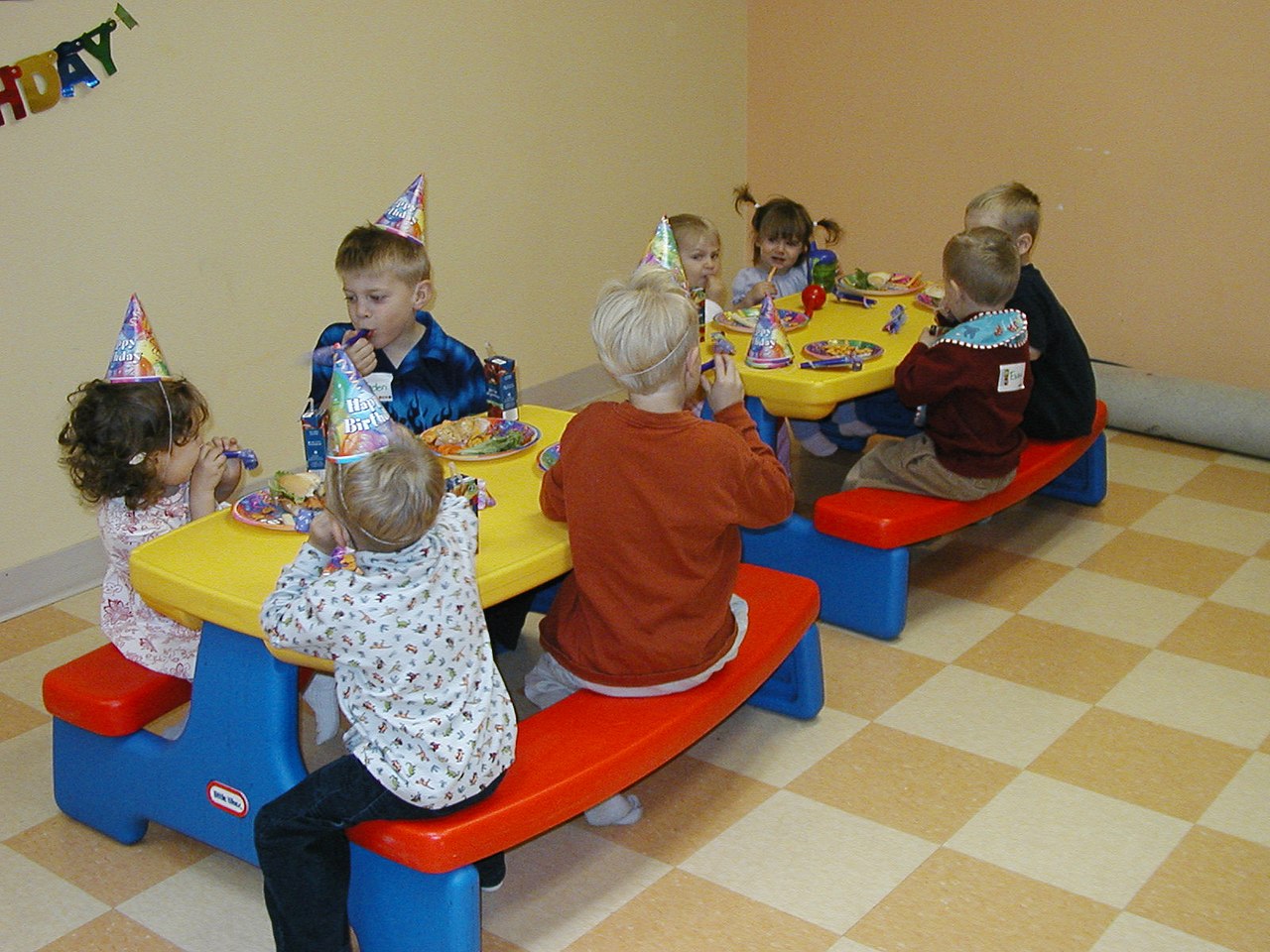
Rula’s example of a child’s birthday party shows how much hides inside one event: tracking RSVPs, noting food allergies, finding a date that suits the family calendar, choosing a theme and cleaning beforehand. The fun part is the cake. The load is everything that came before it.
7. Caring for a Parent With Little Relief
Women in the Bored Panda thread described caring for a parent with little relief. Caring for a parent, or for a child with severe disabilities, was a recurring theme among the heaviest loads described.
8. Carrying Grief and Money Worries Quietly
The thread also included women who kept grief to themselves, including the loss of loved ones, and women describing financial strain, such as struggling to cover rent while working constantly. Many described feeling unseen by family and friends while fielding everyone else’s updates.
Experts say the load can be redistributed. Brandy Chalmers, a licensed professional counselor who reviewed Rula’s guide, says the biggest emotional shift often comes when a partner fully owns a task from start to finish. Otway makes a similar point, saying it helps most when a partner takes complete care of a task rather than just helping.
NPR Life Kit’s Andee Tagle and Mika Ellison, as summarized by Cooper Health, describe the mental load as the invisible work of planning, remembering and managing daily life. They tie the imbalance to gender myths, such as the idea that women are simply better at multitasking or household coordination, rather than to any innate ability.
The same summary adds that household roles are learned and can be renegotiated. It suggests listing all tasks, especially the planning and coordinating, and giving each person full ownership of specific areas so no one has to be asked or reminded. It also recommends accepting “good enough” results rather than insisting on control, and revisiting the arrangement as work and kids change.
The research behind the numbers appeared in Socius on Oct. 23, 2025, in a paper titled “Take a Load Off? Not for Mothers: Gender, Cognitive Labor, and the Limits of Time and Money.” Mothers in the sample averaged 13.72 mental to-do tasks, compared with 8.2 for fathers. Lead author Ana Catalano Weeks of the University of Bath said that even as women gain economic power, “they remain responsible for anticipating and coordinating household needs.”
Get stories like this by email. Sign up for Crafting Your Home.
This article was produced with AI assistance and edited for accuracy against the sources linked above.
Image: Papori Bora – CC BY-SA 4.0/Wikimedia Commons
