
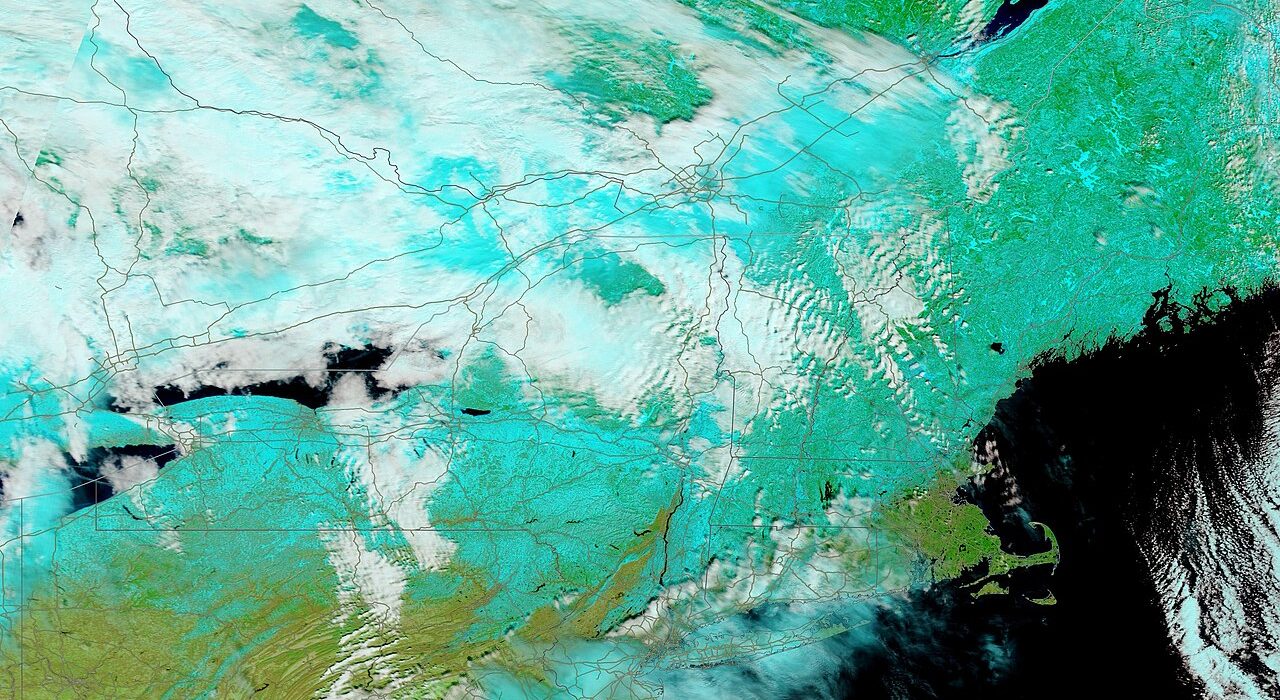

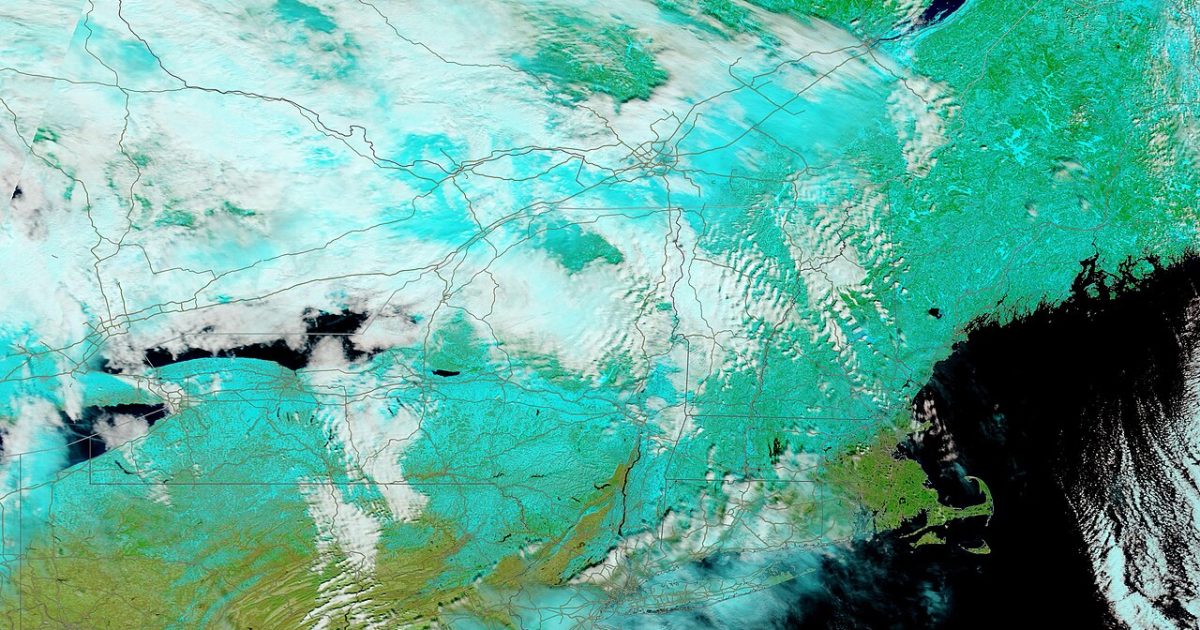
The Farmers’ Almanac is calling for several rounds of heavy, wet snow across inland parts of the Northeast this winter, especially in January and February. Coastal areas, by contrast, are more likely to get rain or mixed precipitation, and the almanac’s 2026-27 winter forecast labels the region one of the most complicated winter patterns of the season.
Inland Snow, Coastal Rain

The split is the heart of the outlook. According to the almanac’s extended forecast, coastal areas, including New York City and Boston, could see more rain or mixed precipitation, while inland Pennsylvania, Vermont, New Hampshire and Maine may get several rounds of heavy, wet snow, especially in January and February.
Temperatures are expected to hover near freezing, so small shifts could decide between rain, sleet, freezing rain and snow. A second storm path along the Eastern Seaboard could bring rain, wintry mixes and snow from the mid-Atlantic into New England, the forecast adds. A related post covers how the two almanacs split on Northeast Thanksgiving weather, and a quirky read on how to stop procrastinating may help with the pre-storm chores.
Which States Count as the Northeast
Newtown Now says the almanac defines the Northeast as New Jersey, New York, Pennsylvania, Delaware, Maryland, Washington, D.C., and the six New England states. The article describes the national picture as an active, wet southern storm track with quick blasts of cold and snow across the North.
For context on last season, the same article notes that Trenton recorded 44.3 inches of snow, its highest total since 2013-14. Readers watching for the first flakes of this season can see typical dates in a post on when measurable snow usually arrives in the Twin Cities and Buffalo, and a cozy-season roundup of simple crafts for a hygge winter fits the mood.
Why the Forecast Is Hard to Pin Down
The almanac says El Nino is expected to remain an important influence through the heart of the season. Heating costs are one place where early preparation shows up, and a post on setting the thermostat back 7 to 10 degrees for 8 hours a day covers one Energy Department tip. The Boston.com report on the outlook says small shifts in storm track or temperature could determine whether a storm brings rain, sleet, freezing rain or accumulating snow.
That article also describes quick bursts of snow and cold in the north, and it quotes the almanac’s advice to keep the snow shovel, rain boots and ice scraper close at hand. A guide to things never to do if a car gets stranded in a winter storm is worth bookmarking before the first heavy snow, and a cold-morning comfort read is breakfast classics that deserve a comeback.
For a curious detour, a list of unconventional delicacies across the country is a fun read. The Farmers’ Almanac press release uses nearly the same language, saying the Northeast may see one of the country’s most unpredictable winter patterns, with inland areas facing several rounds of heavy wet snow in January and February.
Dates to Watch and a Note on Accuracy
The extended forecast lists Dec. 1, 2026, as the start of meteorological winter and Dec. 21 as the winter solstice, with the almanac’s full season window running from late November through March 20, 2027. January and February are the peak period for heavy, wet snow in inland Northeast areas.
The same page treats temperatures near freezing as the key uncertainty. With readings often hovering around the freezing mark, the almanac says, a small change in a storm’s track or temperature could decide whether a town gets rain, ice or accumulating snow, which is why the coastal and inland outlooks sit so close together on the map.
Seasonal outlooks carry caveats. The almanac reports an 80 to 85 percent accuracy rate for regional outlooks, according to Newtown Now, which adds that the publication does not disclose its formula and has had notable misses, including a prediction of a colder-than-average 2011-12 winter that turned out to be one of the warmest on record for the eastern United States. Boston.com says local meteorologists quoted in its article advise readers not to rely on such forecasts because accurate seasonal outlooks require far more research and climatology.
A practical way to use the outlook is as a reminder to prepare early, since a seasonal outlook cannot say which storm will bring snow and which will bring rain. Boston.com notes that the almanac says it bases its forecasts on mathematical and astronomical formulas.
Snowbrains echoes the same Northeast call, noting that coastal areas could see more rain and mixed precipitation while inland communities may see several rounds of heavy, wet snow, particularly in January and February.
Get stories like this by email. Sign up for Crafting Your Home.
This article was produced with AI assistance and edited for accuracy against the sources linked above.
