
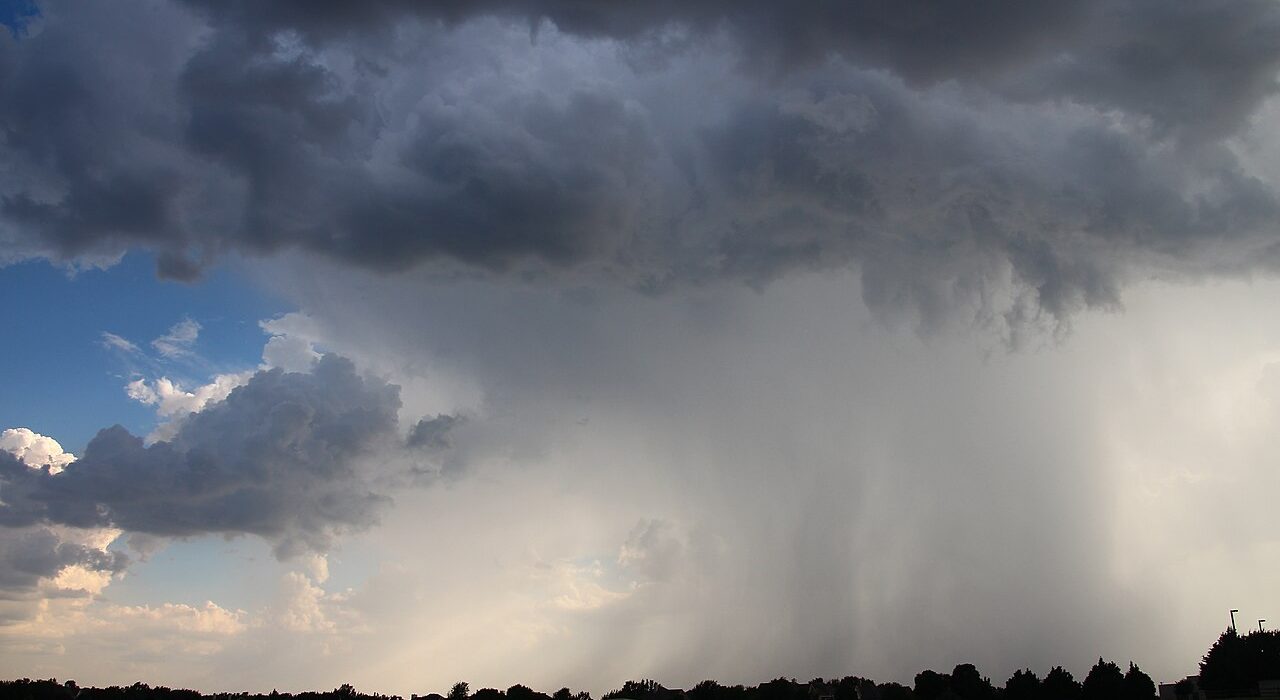

The Farmers’ Almanac is calling for a wetter-than-normal winter along the Gulf Coast and in Texas, with heavier-than-normal precipitation stretching from California eastward. Its 2026-27 outlook describes an active southern storm track fed by El Nino, and the almanac’s winter forecast calls the season one of sharp contrasts.
An Active Southern Storm Track

According to the forecast, El Nino is expected to remain an important influence through the heart of the season and tends to favor wetter-than-normal conditions across much of the southern United States. The almanac expects heavier precipitation from California and the Southwest eastward through Texas, the Gulf Coast and the Southeast.
Where cold air meets that moisture, storms could turn to sleet, freezing rain or heavy, wet snow. A related post compares how both almanacs see the South and Texas, and a lighter read on places that travelers vowed never to revisit offers a reminder of why weather matters on any trip.
Texas and the Gulf Coast
The almanac’s extended forecast puts Texas in a wetter-than-normal, stormy pattern with frequent storm systems. Dallas, Oklahoma City and Tulsa are singled out as places to watch forecasts closely during cold intrusions, and southern Texas is expected to see frequent storms and heavier-than-normal precipitation. The forecast does not give specific snow totals for Texas.
For the Gulf Coast, the same forecast describes Alabama, Mississippi and Florida as cool, wet and stormy, with Florida trending cooler and wetter than usual and northern Florida possibly seeing occasional cold air surges. Louisiana is forecast to see frequent storms, heavier-than-normal precipitation and muddy fields. Anyone planning ahead for flooding can read the National Weather Service warning in a post on heavy winter rain on dry ground, and a practical piece on freeing up the oven at Thanksgiving suits stormy-weather cooking.
Storms can also mean stretches indoors, and pet owners may like a practical post on whether a self-cleaning litter box is worth it. A separate roundup explains how long food stays safe in a fridge or freezer if storms knock out power.
California and the Southwest
The Southwest, including Southern California, is expected to see heavier-than-normal precipitation, from California eastward, the almanac says. The extended forecast lists California, Nevada, Utah and Arizona as mild with rain or mixed precipitation, and says Los Angeles, San Diego and Phoenix should expect frequent storms and a wetter-than-normal winter. Nevada’s lower deserts are expected to stay mild. Winter hosts and holiday planners in the region might browse a guide on single-cup or full-pot coffee makers for holiday guests.
The press release summarizing the outlook describes Southern California and the Desert Southwest as part of the same wetter-than-normal southern storm track, with the same pattern of frequent storms. Readers keeping an eye on the holiday forecast can also compare it with the almanac’s Thanksgiving weather outlook.
Mountain Snow in the Southern Rockies
The southern Rockies are expected to do especially well for mountain snowfall, according to the forecast. A Farmers’ Almanac press release quotes the almanac as saying the area is especially well positioned for significant snowfall, because the southern storm track should favor it.
Snowbrains repeats the same southern pattern: an active storm track across the Southwest and Texas and the Gulf Coast, with frequent systems, muddy fields and occasional surges of cold air.
Cold air arriving at the wrong moment is what could turn rain to sleet or freezing rain, the almanac cautions, so the type of precipitation can be hard to predict.
Elsewhere, and How Much Weight to Give It
Outside the wet southern belt, the almanac expects temperatures in the West, northern Plains, Upper Midwest and Great Lakes to average near normal, though the winter will not necessarily be mild, with clippers, sudden cold snaps and brief snowy periods possible. The Northeast is called one of the season’s most complicated patterns, with coastal areas more likely to see rain or mixed precipitation and inland areas heavy, wet snow, especially in January and February.
The almanac’s accuracy is a matter of debate. The Sunday Guardian reports that the publication cites an accuracy of 80 to 85 percent, but a 2010 University of Illinois study put it closer to 52 percent, roughly a coin flip. The northern Plains and Upper Midwest could turn drier at times, according to the forecast, and the Plains, Midwest and Great Lakes may see snow squalls, strong winds and bursts of bitter cold. Because storm tracks can shift, planning around a long-range outlook rather than a forecast makes sense.
The Northwest is a different story, with a snow season that may be more changeable and less dependable, the forecast says. Because temperatures may often hover near freezing across several regions, the type of precipitation will be hard to predict.
Key dates in the almanac’s outlook are Dec. 1, when meteorological winter begins, and Dec. 21, the winter solstice. The season window runs from late November through March 20, 2027.
Get stories like this by email. Sign up for Crafting Your Home.
This article was produced with AI assistance and edited for accuracy against the sources linked above.
Image: Loadmaster (David R. Tribble) – CC BY-SA 3.0/Wikimedia Commons
