

The average monthly premium for a stand-alone Medicare Part D prescription drug plan is projected to be $36 in 2027, up less than $1 from $35.09 in 2026. The figures come from the Centers for Medicare & Medicaid Services, which said in a Sept. 28 announcement that 88% of non-low-income beneficiaries will have access to a basic Part D plan costing $10.30 a month or less.
The same release said 93% of those beneficiaries will have access to an enhanced Part D plan at less than $6 a month. Medicare Open Enrollment runs from Oct. 15 through Dec. 7, 2026, and choices made in that window take effect Jan. 1, 2027.
What the $36 average and the $10.30 plans mean for 2027

An average is a midpoint across many plans, so a $36 average does not mean every plan costs $36. CMS said most people without low-income help can find a basic plan at $10.30 or less and an enhanced plan for under $6, which shows how wide the spread can be within a single region. These premium figures sit alongside other 2027 changes, including a higher yearly Part D out-of-pocket cap. Comparing options methodically, in the spirit of the practical advice passed down by boomers, tends to matter more than the headline average.
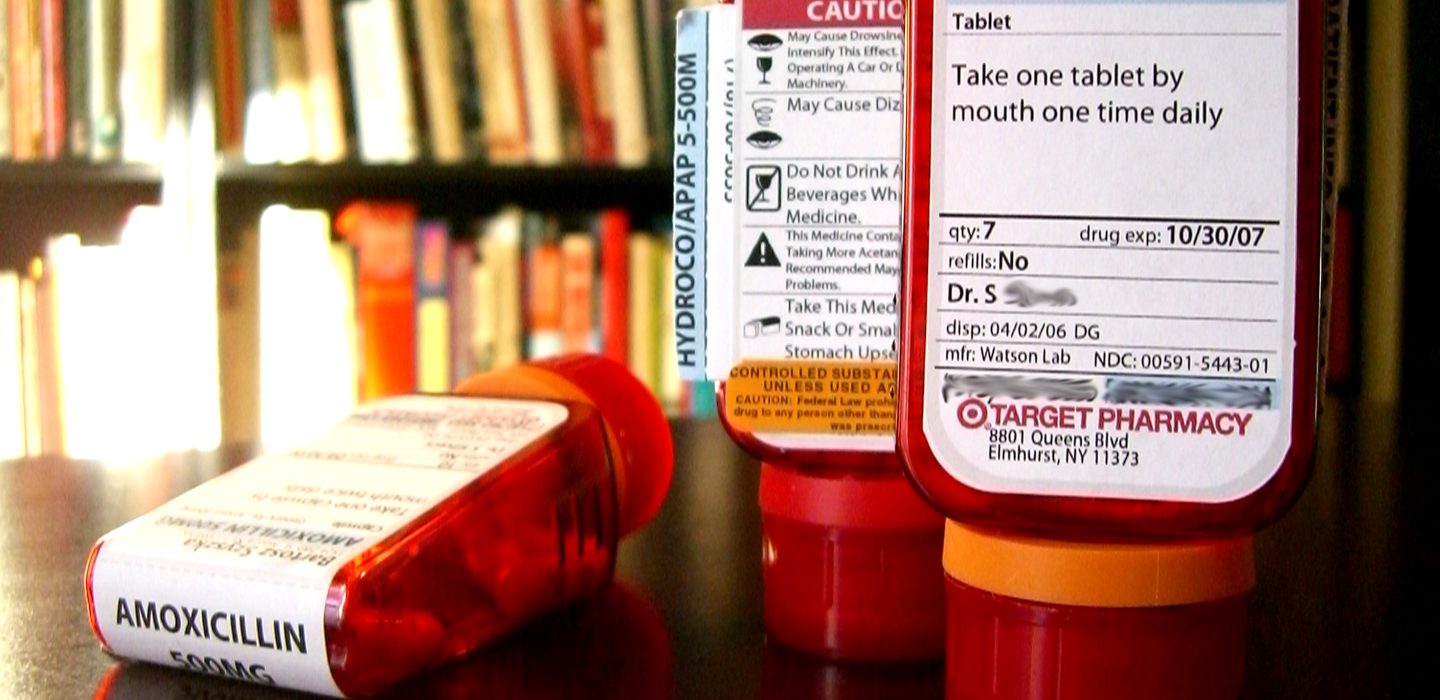
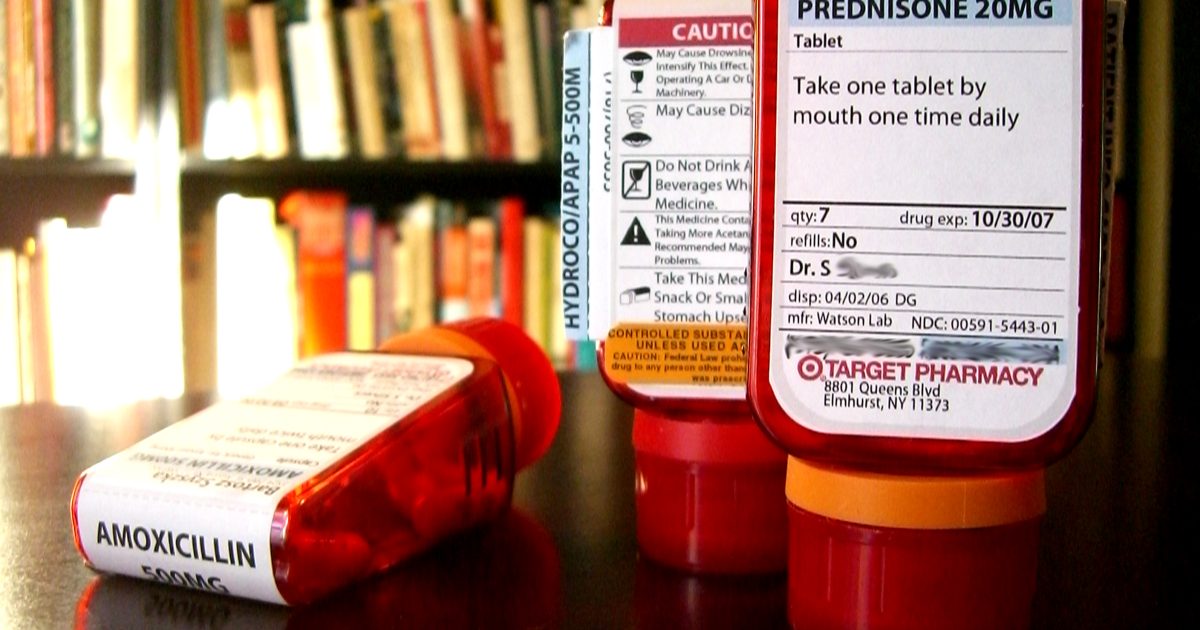
Premium is only one cost. Deductibles, copayments and whether a plan covers a specific drug at a specific pharmacy can shift the total yearly cost well above or below what the monthly premium suggests.
A plan that is cheapest on premium can end up more expensive over a year if a regularly filled prescription falls into a higher cost tier. The reverse is also true: a plan with a slightly higher premium can cost less overall if it covers a person’s specific medications at lower copayments.
How plan choices vary by state
CMS published state-by-state fact sheets for 2027 listing plan counts and the lowest premiums available. Alabama has 11 stand-alone drug plans for 2027, with the lowest monthly premium at $5.30, according to the fact sheets. Alaska has 9 stand-alone plans, also with a lowest premium of $5.30, while American Samoa has a single stand-alone plan at $10.30.
For those who want the underlying data, CMS posts its Part D landscape files, including a CY2027 landscape download, which list plan offerings and premiums by region. Readers comparing Medicare Advantage instead can see how Medicare Advantage plan choices are shifting for 2027.
Medicare Advantage premiums are also projected to fall
CMS projected that the average Medicare Advantage premium will drop from $14.37 in 2026 to $12.00 in 2027, a 16.5% decline. For Medicare Advantage plans that include drug coverage, the agency said the average total Part D premium after rebates is projected to fall from $11.32 to $7, a 38% decrease.
The number of Medicare Advantage plans is expected to change from 5,553 in 2026 to about 5,532 in 2027. CMS said more than 99% of beneficiaries have access to at least one Medicare Advantage plan and 97% have access to 10 or more. The agency estimated that 34 million people, about 47.4% of those with Medicare, will be in Medicare Advantage in 2027. More background appears in coverage of the Dec. 7 enrollment deadline and $12 Advantage premiums.
CMS also said the Part D Premium Stabilization Demonstration, which was narrowed for 2026, is planned for discontinuation in 2027. That makes this year’s stand-alone premium figures a cleaner comparison of what plans themselves charge.
Help for people with limited income
People with limited income and resources may qualify for Extra Help, a Medicare program that pays Part D premiums, deductibles and coinsurance, according to Medicare.gov’s Extra Help page. The page lists 2026 limits of $23,940 in income and $18,090 in resources for an individual, and $32,460 in income and $36,100 in resources for a married couple. For 2027, the page lists generic drugs at up to $5.80 per prescription and brand-name drugs at up to $14.40 for people with Extra Help, and $0 per covered drug once total drug costs reach $2,400.
Applications go through the Social Security Administration, and free help is available from each State Health Insurance Assistance Program. Medicare.gov says people who do not qualify now can reapply at any time if their income or resources change. Extra Help is not available in Puerto Rico, the U.S. Virgin Islands, Guam, the Northern Mariana Islands or American Samoa.
People enrolled in certain Medicare Savings Programs, which states run to help pay Part A and Part B costs, also get Extra Help, according to Medicare.gov. Those programs are applied for through each state, and Medicare.gov advises people to apply even if they are unsure they qualify.
What to check before Dec. 7
CMS points beneficiaries to the Medicare Plan Finder on Medicare.gov, which compares health and drug plans by premiums, costs and benefits. Practical steps before the deadline include listing every current prescription and dose, confirming each drug appears on a plan’s formulary, checking whether preferred pharmacies are in network, and reviewing the Annual Notice of Change from the current plan.
Anyone who receives an unexpected call offering to “update” a Medicare plan should be wary, since stolen Medicare numbers are fueling fraud schemes. Families helping an older relative through the process may find it easier to set aside one afternoon for the comparison, an old-fashioned approach in line with boomer habits making a comeback. Staying organized, a trait common among highly productive people, helps avoid a last-minute scramble before Dec. 7.
Get stories like this by email. Sign up for Crafting Your Home.
This article was produced with AI assistance and edited for accuracy against the sources linked above.
Image: Bart from New York, USA – CC BY 2.0/Wikimedia Commons