


The post If You Grew Up With These 8 Winter Traditions, Your Family Did Something Right first appeared on Crafting Your Home
Winter has a way of turning ordinary moments into lasting memories. The smell of baking cookies, a movie watched under blankets, a yearly drive to see holiday lights, or a special meal shared after a snowstorm can stay with you long after childhood ends.
If your family had winter traditions, you may have been given more than fun memories. You may have been given a sense of belonging, stability, and identity.
You Had a Special Winter Meal
Maybe it was chili after sledding, homemade soup on a cold night, pancakes on a snowy morning, or a special dish that only appeared during the holidays.
Food traditions matter because they combine comfort, routine, and togetherness. Sharing meals gives families a regular opportunity to talk, laugh, and reconnect.
Research reviewed by the American Psychological Association found that regular family mealtimes can support healthier children, better communication, and stronger family bonds.
You Baked Together
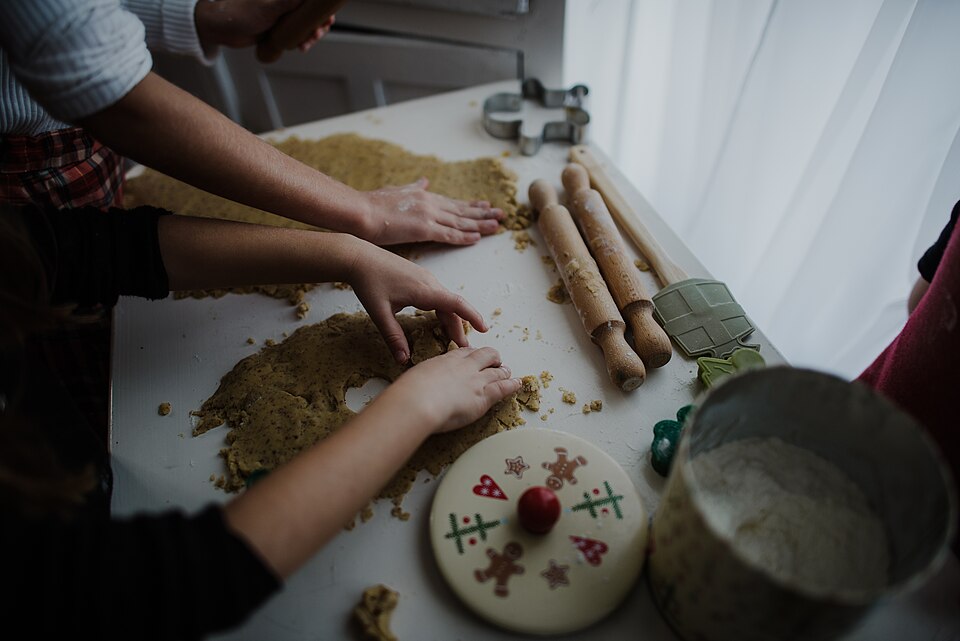
Baking traditions create sensory memories: the smell of cinnamon, flour on the counter, music playing in the background, and the excitement of tasting something made together.
A family ritual does not need to be elaborate to matter. Research on family rituals suggests that repeating a meaningful tradition can increase closeness and enjoyment, regardless of the specific activity.
You Watched the Same Winter Movie Every Year
Maybe your family watched the same holiday film every December, made popcorn the same way, or gathered on the couch with blankets and hot chocolate.
Watching the same movie may sound simple, but repetition is what turns an activity into a tradition. It creates a familiar rhythm that children can look forward to year after year.
Years later, a familiar song, scene, or line from that movie can bring back the feeling of being safe at home.
Related:7 Things You Should Never Say to Your Spouse in Front of Family
You Decorated Together
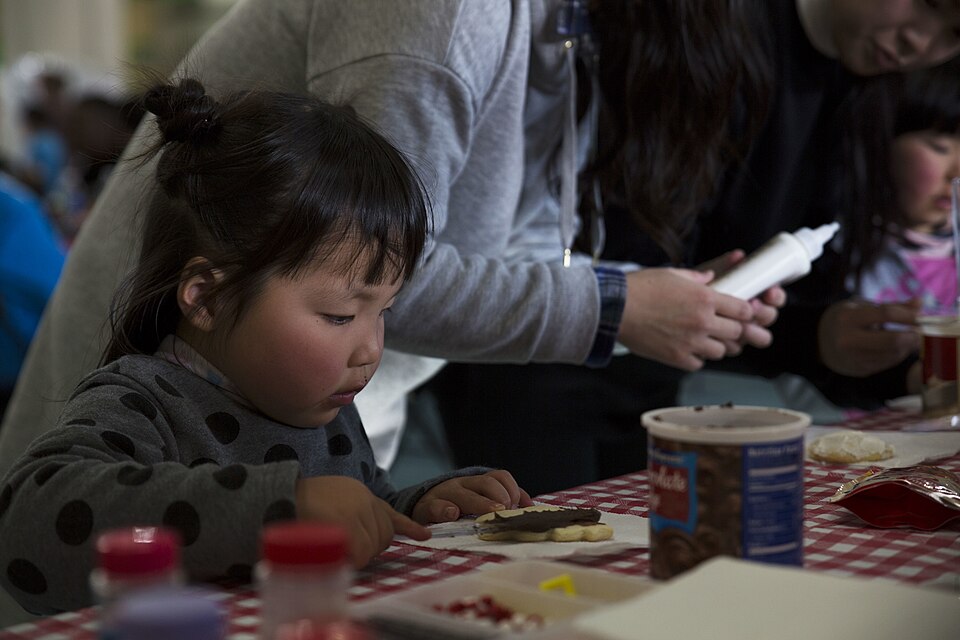
It marked the beginning of the season. It gave everyone a role and made the home feel different from ordinary days.
Research distinguishes routines from rituals: routines help families manage daily life, while rituals carry symbolic meaning and communicate, “This is who we are.”
If your family used the same ornaments every year, played the same music, or decorated specially, you were participating in a tradition that connected past winters to the present.
You Played Games on Cold Nights
Board games, card games, puzzles, and family competitions are classic winter traditions for a reason. Cold weather keeps families indoors, and games give everyone a reason to gather around the same table.
Game nights create laughter, friendly rivalry and conversation. They also give children a chance to practice patience, take turns, and handle both winning and losing.
If your family played games during winter, you were likely building memories that had little to do with the game itself.
You Read Stories Together
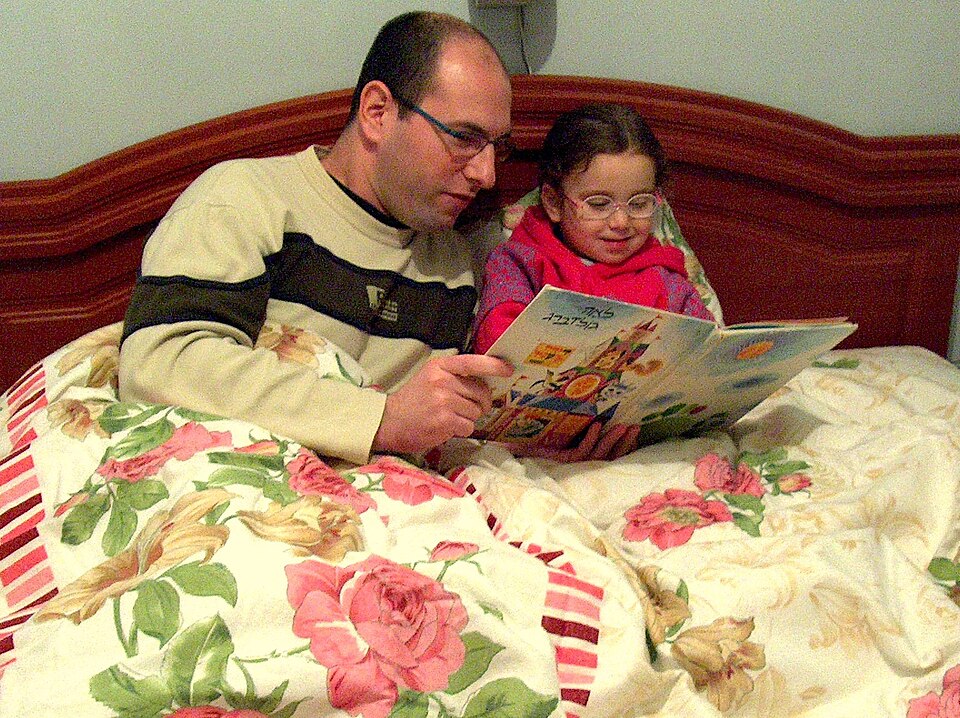
Reading together creates quiet connection. It gives children attention, language, and imagination, while giving parents a predictable moment of closeness.
A bedtime story may seem small, but it can become one of the most comforting memories of childhood.
Related:8 Things Family Caregivers Should Never Do Alone When Caring for an Aging Parent
You Gave Back During the Season
If your family donated food, delivered cookies to neighbors, chose gifts for children in need, or volunteered together, you learned that winter traditions can be about more than receiving.
Family traditions can reinforce values and belief systems while strengthening bonds between family members.
You Had a Tradition That Was Uniquely Yours
Perhaps your family had a silly handshake, a special way of opening gifts, a yearly photo in the same spot, or a private joke that made no sense to anyone else.
These traditions may have seemed ordinary at the time. But they gave your family a shared identity. Family rituals help communicate belonging and continuity across generations.