
The post The Moon Is Slowly Drifting Away From Earth: Here’s What That Means for Life Down Here first appeared on Crafting Your Home
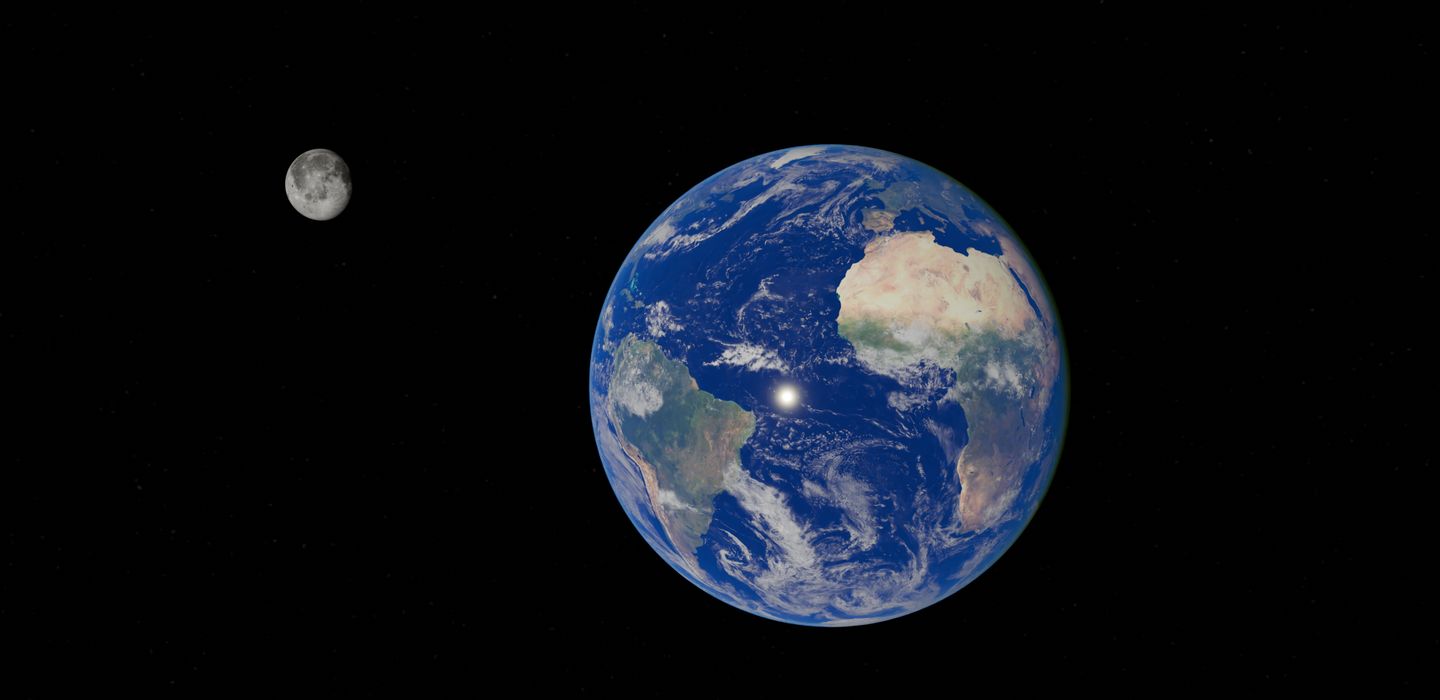
The Moon is not fixed in place above Earth. It is gradually moving farther away at about 3.8 centimeters (1.5 inches) per year. This slow drift is called lunar recession, and scientists have confirmed it by bouncing lasers off reflectors left on the lunar surface during the Apollo missions.
The change is far too small to notice from one year to the next. Over millions and billions of years, however, it has helped shape Earth’s tides, the length of our days, and our planet’s long-term stability.
Why the Moon Is Moving Away
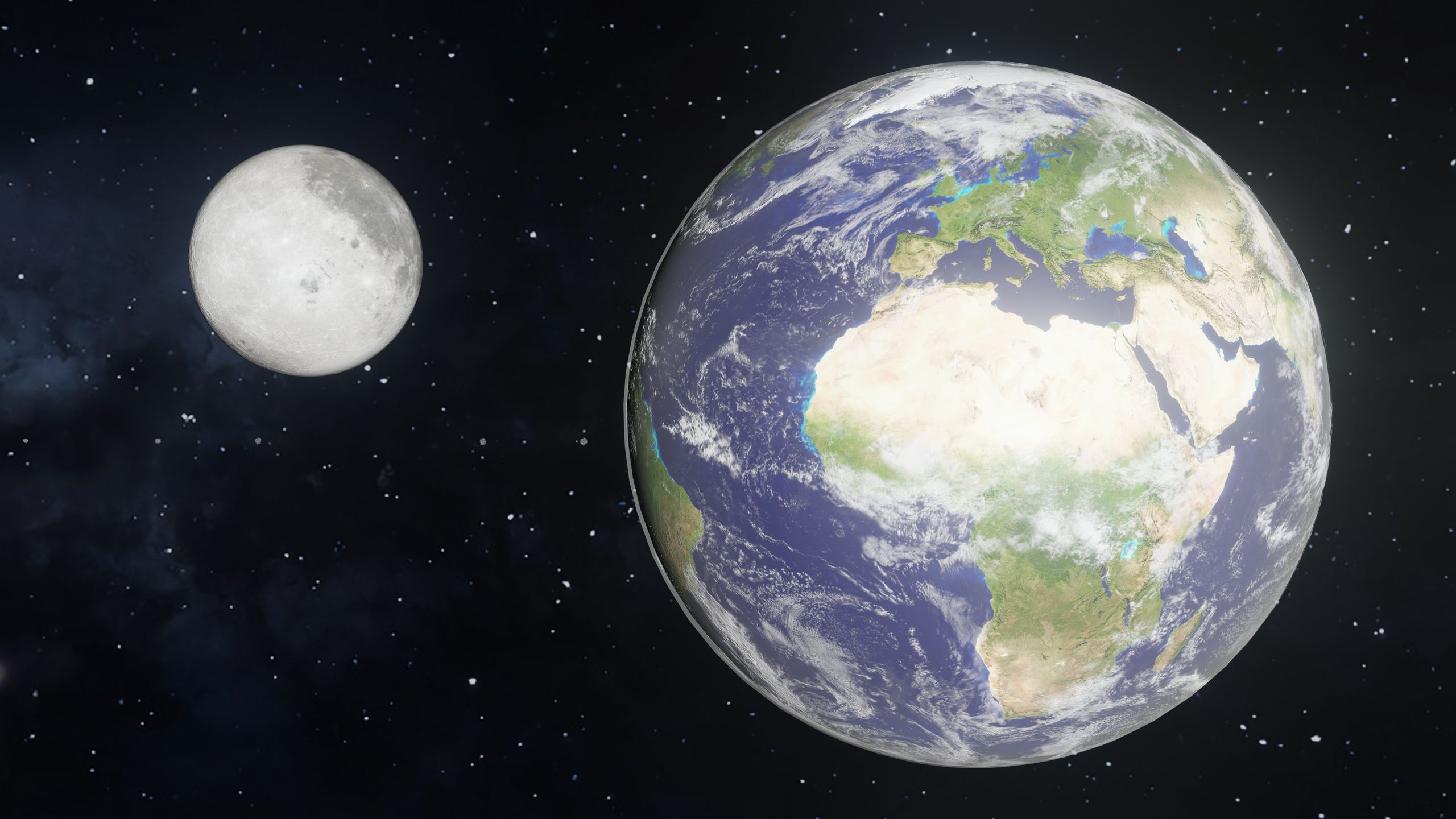
The Moon’s gravity pulls on Earth’s oceans, creating tidal bulges on the side facing the Moon and the side opposite it. Because Earth rotates faster than the Moon orbits, these bulges are carried slightly ahead of the Moon’s position.
That offset creates a gravitational tug on the Moon. The Moon gains energy and moves into a slightly higher orbit, while Earth loses some rotational energy.
The process is often compared to a spinning figure skater who slows down after extending their arms. As a result, Earth’s spin slows, and the Moon’s orbit expands.
How Scientists Measure the Drift
Astronauts left laser reflectors on the Moon during the Apollo missions. Scientists on Earth fire laser pulses at these reflectors and measure how long the light takes to return.
By using the speed of light, researchers can calculate the Earth-Moon distance with remarkable precision. Decades of measurements show that the Moon is receding by about 3.8 centimeters per year.
This is not a theoretical estimate. It is a direct measurement repeated over many years, making lunar recession one of the most precisely tracked movements in the solar system.
The Effect on Earth’s Days