

The post 11 Things to Take From Your Parents’ House Before It’s Sold first appeared on Crafting Your Home.
Before the boxes leave, look beyond the furniture. A handwritten recipe, an unmarked photograph, or a familiar mixing bowl deserves a moment of consideration alongside the larger belongings.
Preservation guidance from the National Archives, Library of Congress, and Smithsonian offers a practical starting point: identify meaningful materials, document what you know, and plan how to keep them accessible.
For families preparing a home for sale, this is a checklist to discuss together. Ask permission before removing anything, agree on where selected belongings will go, and leave room for different preferences. You can preserve a family connection without taking every object home.
Family photographs, albums, and negatives
Set aside photographic collections for review before deciding what to keep or share. Ask relatives to identify unfamiliar faces, locations, and occasions, then record those details alongside digital copies.
The National Archives recommends retaining originals after digitizing them because digital files have preservation risks too. A scan makes sharing possible, but it should not automatically become a reason to discard the original photograph.
Handwritten letters and diaries
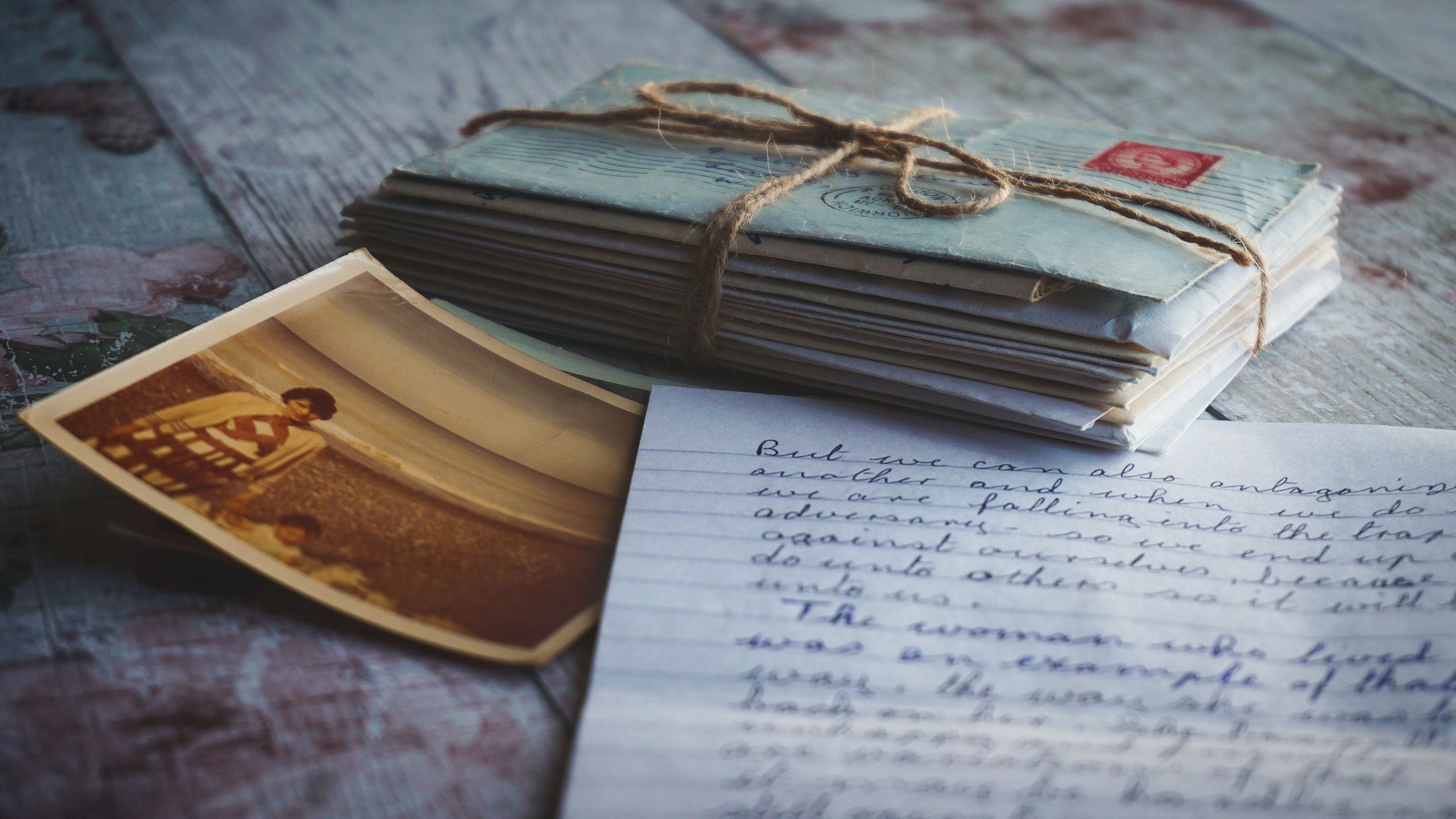
Give boxes of correspondence a separate review rather than sorting them only by appearance or condition.
Author Linda Gartz describes discovering her parents’ letters and diaries while clearing the family home after her mother died in 1994. The collection included a diary her mother began in 1927.
Not every family will make a comparable discovery. Still, her experience provides a reason to check what a box contains. Discuss privacy before circulating personal letters or diary entries.
Recipe cards and annotated cookbooks
Look for the version your family actually used. That might mean a handwritten card, a clipped recipe, or a cookbook page with changes written beside the ingredients.
In the National Archives’ Prologue, conservator Mary Lynn Ritzenthaler recommends storing recipe papers flat where possible and scanning them for sharing. She also advises gentle handling of cookbook bindings.
Photograph notes without forcing an old book flat. Keep the original collection with an agreed family custodian.
Related Post: 9 Things That Will Disappear With The Baby Boomer Generation
Important personal documents
Create a separate review pile for official papers. Birth certificates, marriage records, military records, and other sensitive documents need a different decision process from decorative keepsakes.
The federal Military Consumer website identifies these among important records to retain securely. Arrange for the appropriate person to take custody of them.
If you are unsure about a document, flag it for review instead of treating it as disposable paper. Keep private information out of photographs intended for public sharing.
Home movies and family audio recordings
Check for film reels, home-video tapes, and recorded family conversations. Keep their labels and packaging together so any information about the contents stays attached.
The Library of Congress explains that playback equipment becomes obsolete and that preservation includes transferring recordings into accessible formats.
It also advises against playing damaged tape or film. If a recording appears damaged, seek format-specific preservation help rather than testing it in an available machine.