

The Post: The Worst Mistake You Can Make When Cooking Eggs, According to a Food Safety Expert first appeared on Crafting Your Home
Eggs are a breakfast favorite, whether scrambled, fried, or baked into a delicious casserole. Everyone has their preferred way of cooking them, especially when it comes to the perfect yolk.
However, one common cooking habit could be more concerning than overcooking your breakfast. According to a food safety expert, the biggest mistake is undercooking eggs, and it has nothing to do with how they taste.
Why Undercooking Eggs Is Such a Big Mistake
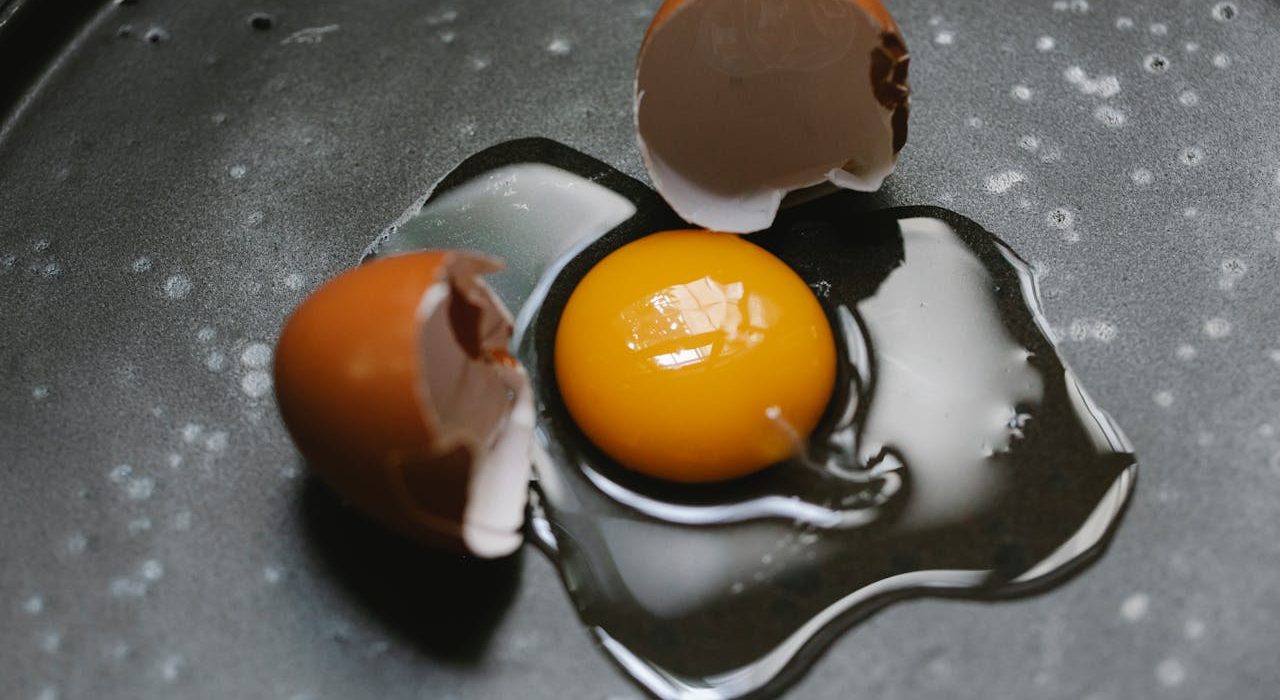
A soft, runny yolk might look irresistible on a slice of toast, but food safety experts recommend being cautious.
Mark McShane, a chef and food safety expert at Food Hygiene Certificate, told Simply Recipes that undercooking eggs is one of the biggest food safety mistakes people make in the kitchen.
The concern is Salmonella, a type of bacteria that can sometimes be present in raw or insufficiently cooked eggs.
The problem is tricky because contaminated eggs don’t always show obvious warning signs.
According to McShane, an affected egg may look, smell, and taste perfectly normal.
That means you cannot judge an egg’s safety simply by cracking it into a bowl and checking whether it looks fresh.
Even Clean, Uncracked Eggs Can Carry Bacteria
It’s easy to assume an egg with a spotless shell is perfectly safe. Unfortunately, appearances don’t tell the whole story.
The U.S. Food and Drug Administration (FDA) explains that fresh eggs can contain Salmonella even when their shells are clean and completely intact.
You can’t always spot contamination while shopping or making breakfast.
This is why choosing eggs without visible cracks is only one part of safe preparation.
Proper storage, careful handling, and sufficient cooking matter just as much.
It also explains why experts focus on how thoroughly eggs are cooked rather than how fresh they look.
Related: Largest US Lettuce Outbreak in History Is Officially Over, CDC Says
The Simple Cooking Rule Experts Recommend
Fortunately, avoiding this mistake doesn’t require fancy kitchen equipment or complicated cooking techniques.
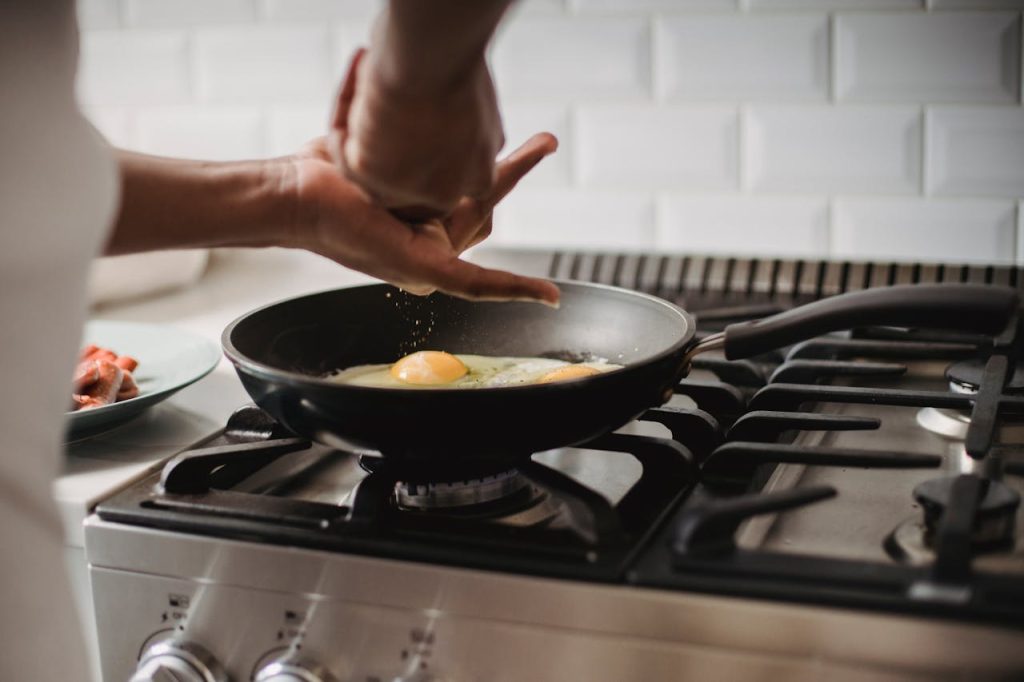
The FDA recommends cooking individual eggs until both the whites and yolks are firm.
That guidance applies to everyday favorites, including fried eggs and scrambled eggs.
For scrambled eggs, the recommendation is particularly straightforward: they shouldn’t be runny when served.
If you’re preparing a quiche or breakfast casserole without meat or poultry, the recommended internal temperature is 160°F. A food thermometer is more reliable than judging whether the top looks nicely browned.
For egg dishes containing meat or poultry, FoodSafety.gov specifies an internal temperature of 165°F.
These distinctions matter because different egg dishes require different preparation.
A runny yolk doesn’t automatically mean an egg contains harmful bacteria, but the FDA recommends cooking eggs thoroughly to reduce the risk.
What About Recipes That Call for Raw Eggs?
Some popular homemade recipes intentionally use eggs without fully cooking them.
Think creamy homemade mayonnaise, chocolate mousse, Caesar salad dressing, or homemade ice cream.
Does that mean you have to abandon these recipes? Not necessarily.
The FDA recommends using pasteurized eggs or suitable pasteurized egg products whenever a recipe calls for eggs that will remain raw or undercooked. Pasteurization involves treating eggs to destroy Salmonella, making these products a recommended choice for such preparations.
However, don’t assume that every carton of eggs in the supermarket has undergone this treatment.
Look for packaging that specifically identifies the eggs as pasteurized.
This small shopping decision can make a difference when you prepare dishes that won’t get the usual cooking treatment.
Related: 7 Dangerous Foods You Should Never Eat Raw
Another Common Mistake: Leaving Cooked Eggs Sitting Out
Imagine preparing a beautiful weekend brunch with scrambled eggs, a breakfast casserole, and several side dishes.
Everyone eats at different times, and the food remains on the table while conversations continue.
Although this might seem harmless, leaving cooked eggs out too long is another food-safety mistake to avoid.
According to the FDA, cooked eggs and egg dishes shouldn’t remain unrefrigerated for more than two hours.
When temperatures climb above 90°F, that window shrinks to just one hour.
The recommendation is especially useful for outdoor gatherings, holiday buffets, and family breakfasts that turn into lengthy visits around the dining table.
If you’re serving cold egg dishes, keep them refrigerated until you need them.
Ice can also help keep them at an appropriate temperature during longer gatherings.
If you’re saving an egg casserole for later, refrigerate it promptly rather than leaving it on the counter to cool completely.
How to Store Eggs Properly at Home
Cooking eggs correctly starts with handling them properly before they reach the frying pan.
The FDA offers several practical recommendations you can easily incorporate into your kitchen routine.
Buy eggs from a refrigerated display and check the carton for cracked shells.
Once home, keep them in their original carton in a refrigerator set to 40°F or below.
For best quality, the FDA recommends using refrigerated shell eggs within three weeks.
After cooking, different storage timelines apply.
Refrigerate hard-boiled eggs and use them within one week, whether peeled or unpeeled. Leftover cooked egg dishes should be consumed within three to four days.
Remember to clean your hands, utensils, and work surfaces before and after handling raw eggs.
These habits are especially useful when preparing several breakfast dishes in the same kitchen.
Why Extra Care Matters When Cooking for Family
The advice matters most when you’re preparing breakfast for people at higher risk of severe foodborne illness.
The FDA identifies young children, older adults, pregnant women, and people with weakened immune systems as groups that require extra caution.
Salmonella infections can cause symptoms such as fever, diarrhea, stomach cramps, and vomiting, and some cases can become serious.That doesn’t mean every undercooked egg will make you ill. It simply explains why thorough cooking and careful handling are recommended.
For everyday home cooks, the takeaway is refreshingly simple: cook ordinary eggs thoroughly, choose pasteurized products for recipes requiring raw eggs, and refrigerate leftovers promptly.
A delicious breakfast is even better when a few simple kitchen habits help keep everyone at the table safe.
Other Posts You Might Like
- 10 Powerful Cooking Tricks That Instantly Improve Your Meals
- Mastering 10 Essential Cooking Techniques for Restaurant-Quality Results
If you like what you just read, then subscribe to our newsletter and follow us on social media.
