
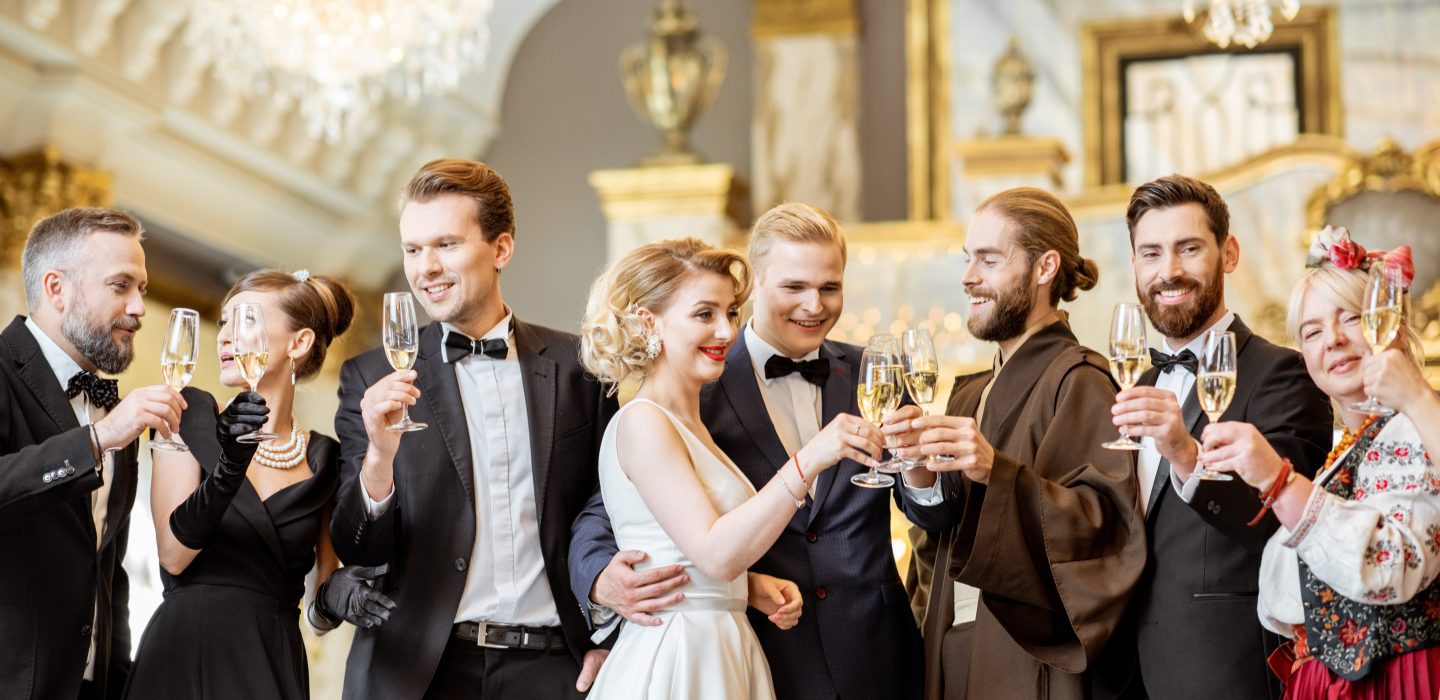

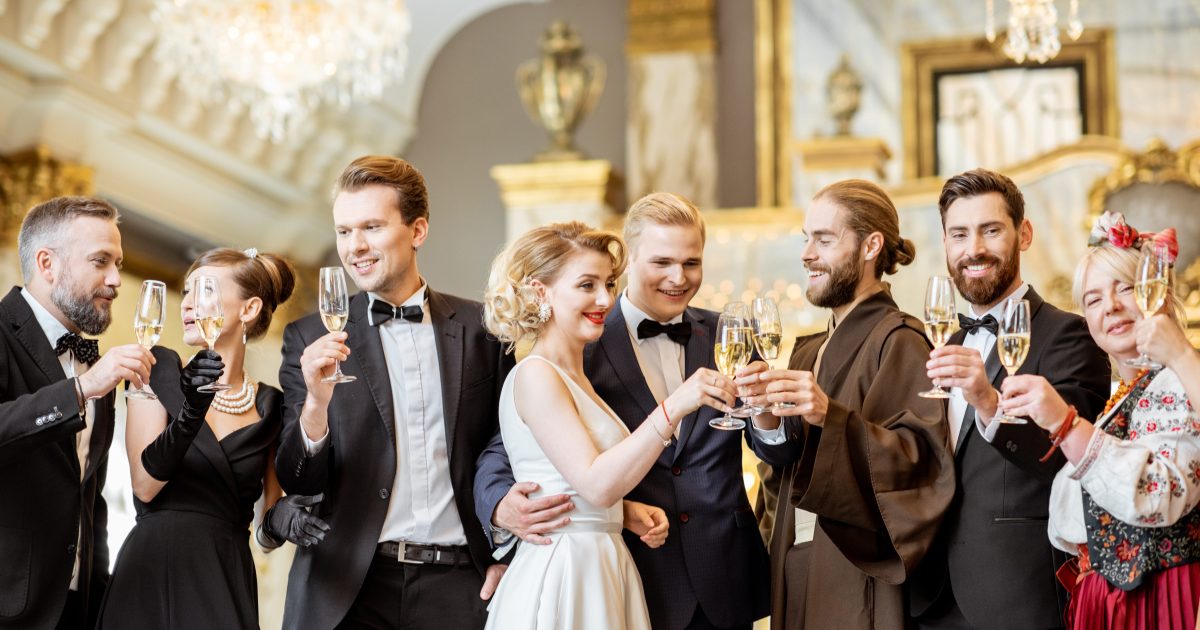
The post 13 Things That Were Considered Rude in the 1960s but Are Normal Now first appeared on Crafting Your Home.
Social rules have a funny way of changing. Something that once made people raise an eyebrow can become completely ordinary a generation later.
The 1960s were already a decade of shifting expectations, so none of these customs applied to every American in every place. Class, age, region, and social setting all mattered. Still, etiquette guides, fashion reporting, and contemporary accounts show that many behaviors we barely notice today could once be considered too casual, too forward, or simply improper.
Women Wearing Pants to Upscale Restaurants
Today, wearing trousers to dinner barely deserves a second thought. In the 1960s, some upscale restaurants still objected.
Several New York establishments reportedly refused women wearing pants in 1969. Policies were not consistent, however. Some restaurants allowed certain evening trousers while rejecting them at lunch, and others made decisions based on a woman’s overall appearance.
So this was never a universal American rule, but in some fashionable dining rooms, pants could absolutely create a problem.
Going to a Dressy Event Without Gloves
Gloves were once far more than cold-weather accessories.
A 1963 fashion article described them as an important part of a polished outfit and even advised women to put a glove back on after paying a taxi driver before entering a restaurant or room.
Different glove lengths were associated with daytime and evening clothing, and women could even keep gloves on while shaking hands. Later etiquette advice moved away from that convention.
Going Bareheaded to a Formal Daytime Event
A hat could once complete an outfit in a way that feels unusually formal now.
An account of a 1960 garden-party fashion show at New York’s Bartow-Pell Mansion describes hats as expected among well-dressed attendees. By the end of the decade, however, hats were increasingly becoming optional fashion accessories rather than social requirements.
The key distinction is setting. This was mainly about formal daytime dress, not every trip outside the house.
Wearing a Casual Shirt to Work
Modern offices can include everything from suits to jeans and polos, depending on the workplace.
In the 1960s, traditional business dress was more formal in many settings, which makes Hawaii’s Aloha Friday movement especially interesting. The official weekly occasion dates to 1966, and aloha shirts were recognized as appropriate business wear in Hawaii by 1970.
The change shows just how deliberately workplace dress norms were being challenged.
Calling an Older Person by Their First Name
First-name workplaces and casual introductions are common today, but older etiquette traditions placed more emphasis on titles and surnames.
Emily Post’s earlier etiquette guidance considered it improper for a younger person to address an older acquaintance by first name without being invited to do so. That convention persisted in many hierarchical settings into later decades.