This post, 10 Ridiculous 1960s Outfits That Made Fashion Lose All Common Sense, first appeared on Crafting Your Home.
The 1960s were the decade that sent humans toward the moon, and apparently decided people on Earth should dress like they were already living there. Fashion became brighter, shorter, shinier, and far more experimental, with designers embracing new materials and young people rejecting the polished styles of previous generations.
The decade was not interested in asking whether an outfit was practical. It wanted clothes that looked futuristic, rebellious, and completely different from anything that came before. From paper dresses to plastic boots, many of these trends became famous precisely because they pushed fashion into strange new territory.
Here are 10 1960s fashion choices that looked exciting at the time but created some serious everyday problems.
Paper dresses that treated clothing like a disposable product
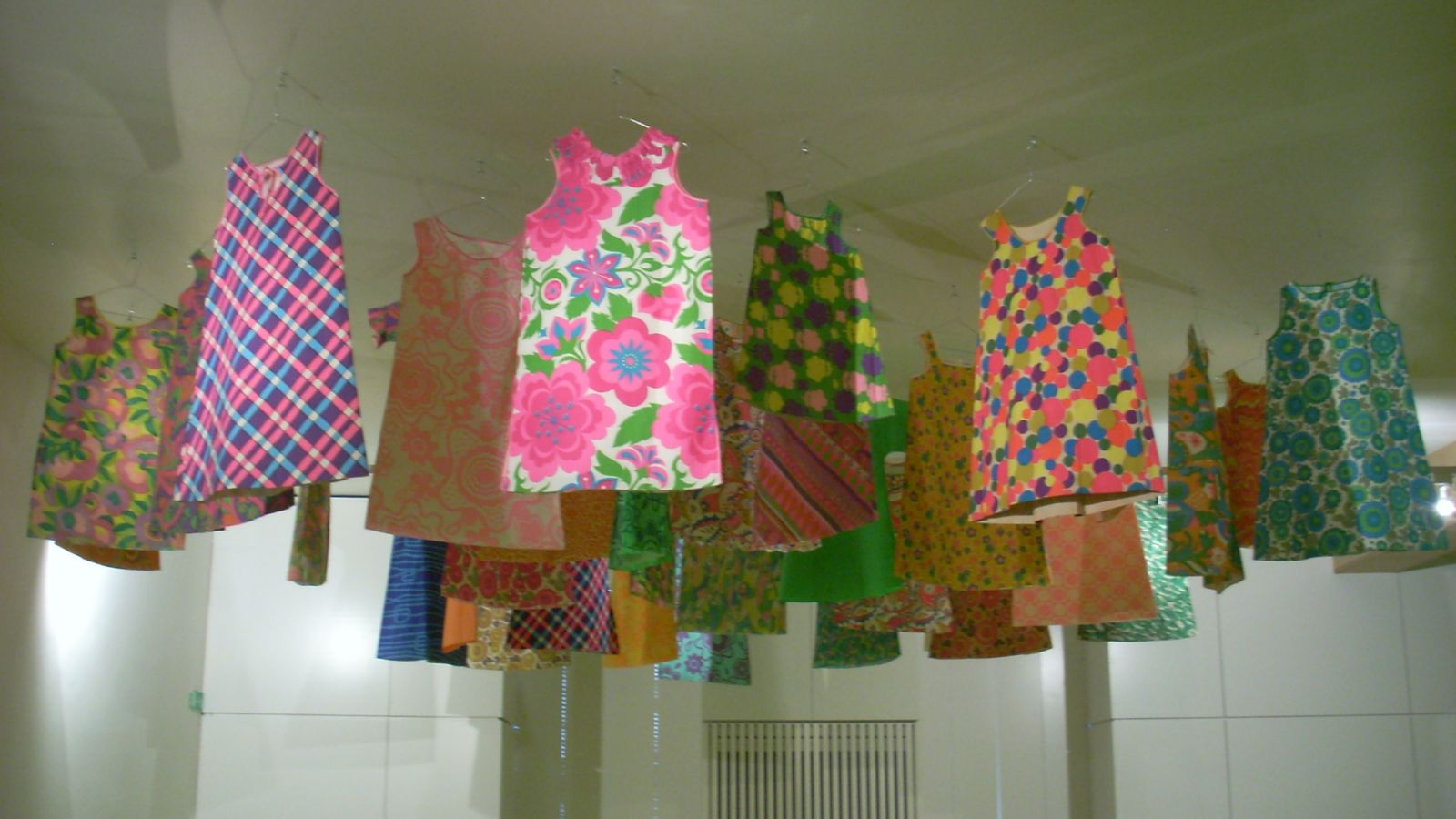
Few fashion experiments were stranger than the paper dress craze. In 1966, Scott Paper Company introduced disposable dresses made from a cellulose material called Dura-Weave as a promotional product, creating one of the decade’s most unusual style moments.
The dresses were colorful, inexpensive, and designed to be worn only a few times. More than one million paper garments were sold between 1966 and 1968, making them an early example of the disposable-fashion mindset.
Plastic and PVC dresses that looked futuristic but felt awkward
Plastic clothing perfectly captured the Space Age obsession of the 1960s. Shiny synthetic materials gave outfits a futuristic appearance that matched a decade fascinated by technology and the possibility of life beyond Earth.
The problem was that these materials were not always comfortable for everyday wear. Plastic dresses could trap heat, feel stiff, and create more of a “wearable science experiment” experience than a practical outfit.
Micro-miniskirts that turned sitting down into a strategy
The miniskirt became one of the most recognizable symbols of 1960s fashion. It represented youth culture, independence, and a rejection of the more traditional styles associated with earlier decades.
But extremely short skirts came with practical challenges. Walking, sitting, climbing stairs, or getting into a car required confidence and careful planning. The trend may have changed fashion forever, but it also changed the way people had to move.
Related: 6 Worst Fashion Trends in History
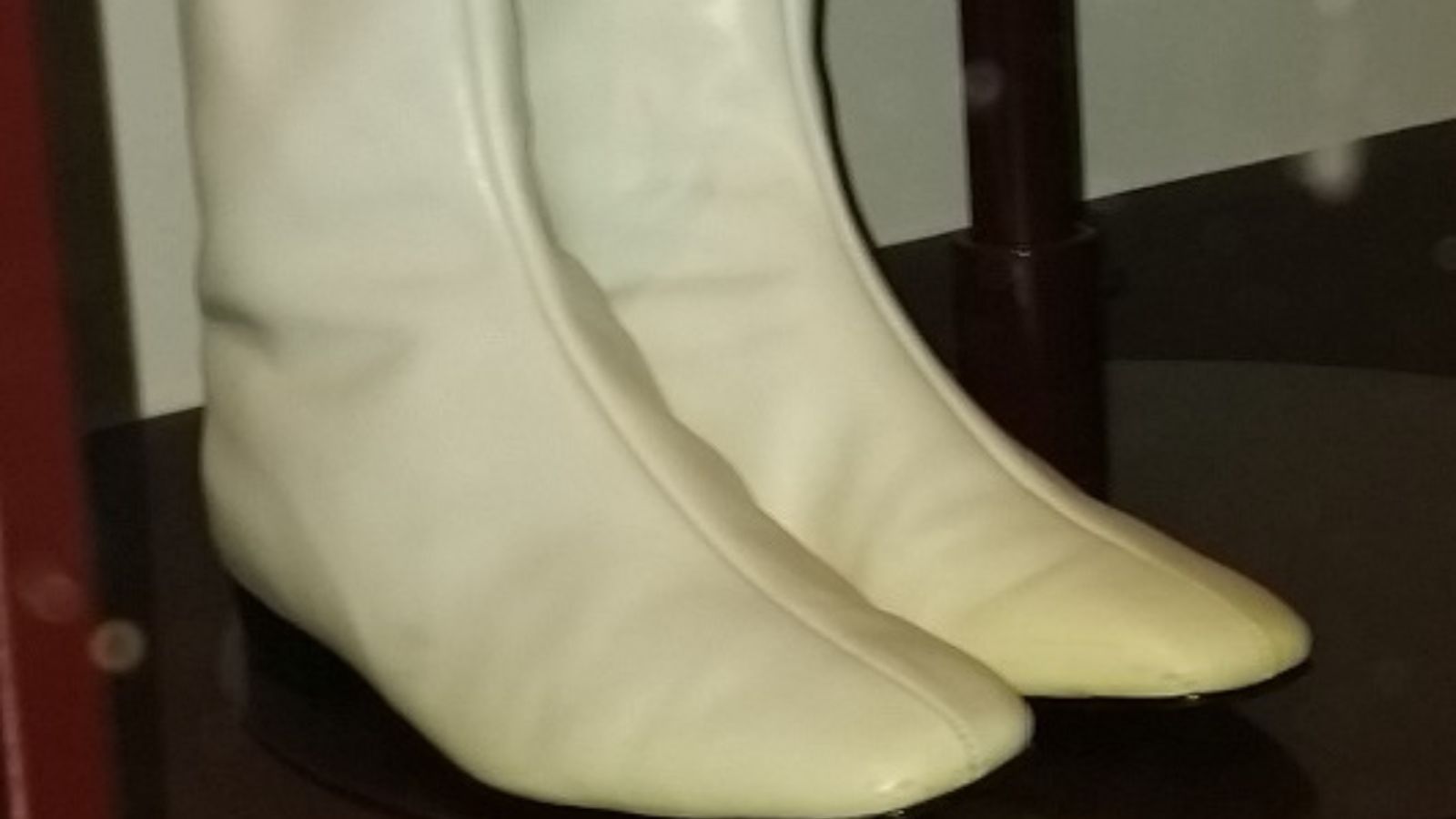
White go-go boots that looked amazing until the weather arrived