

The post 8 Texts You Should Never Send an Ex first appeared on Crafting Your Home.
Some communication after a breakup is completely necessary. Former partners may need to discuss children, shared pets, finances, property, work responsibilities, or legal matters. In these situations, brief and respectful communication can help both people handle important responsibilities.
The problem usually comes with messages sent during moments of anger, loneliness, jealousy, or desperation. Research suggests that unwanted, hostile, or emotionally unresolved contact with an ex can be connected with greater breakup distress, while continued online monitoring of an ex can be associated with stronger longing and negative feelings.
Before sending a message, it can help to pause and ask: “Am I trying to communicate something important, or am I trying to make myself feel better in this moment?”
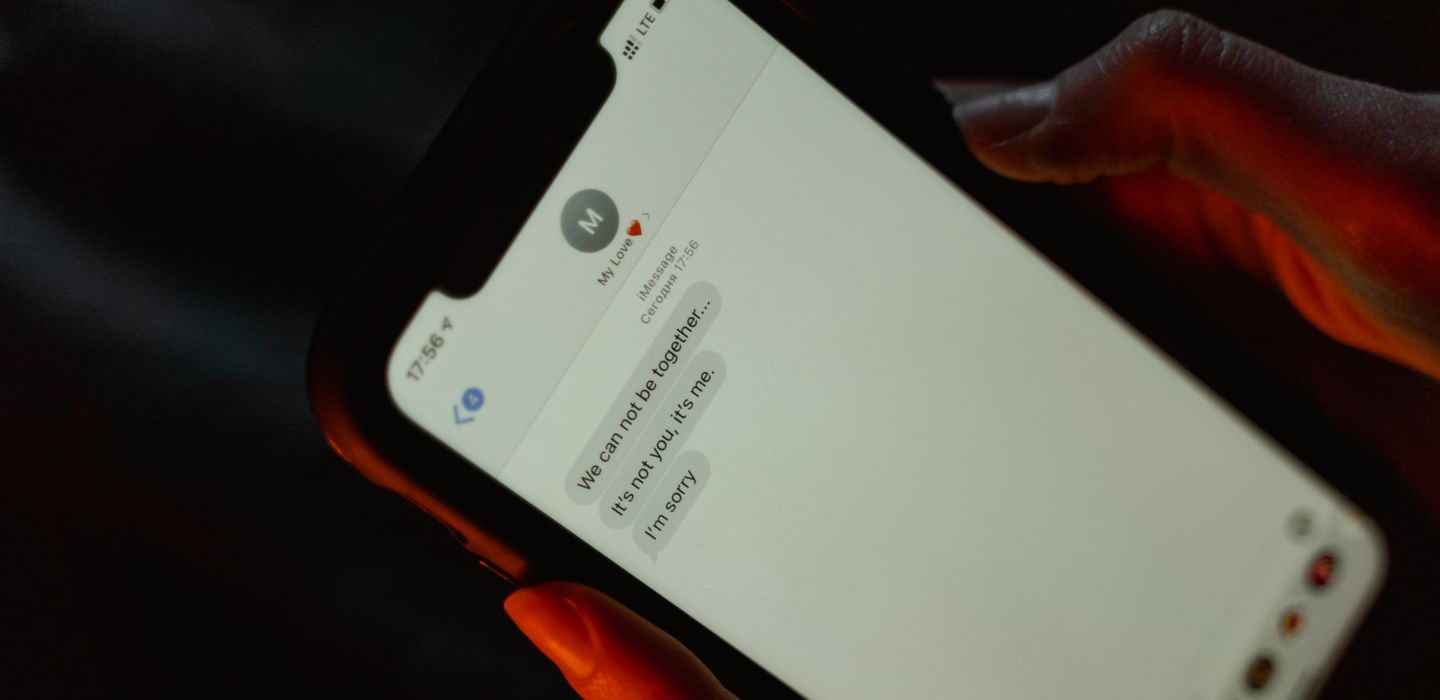
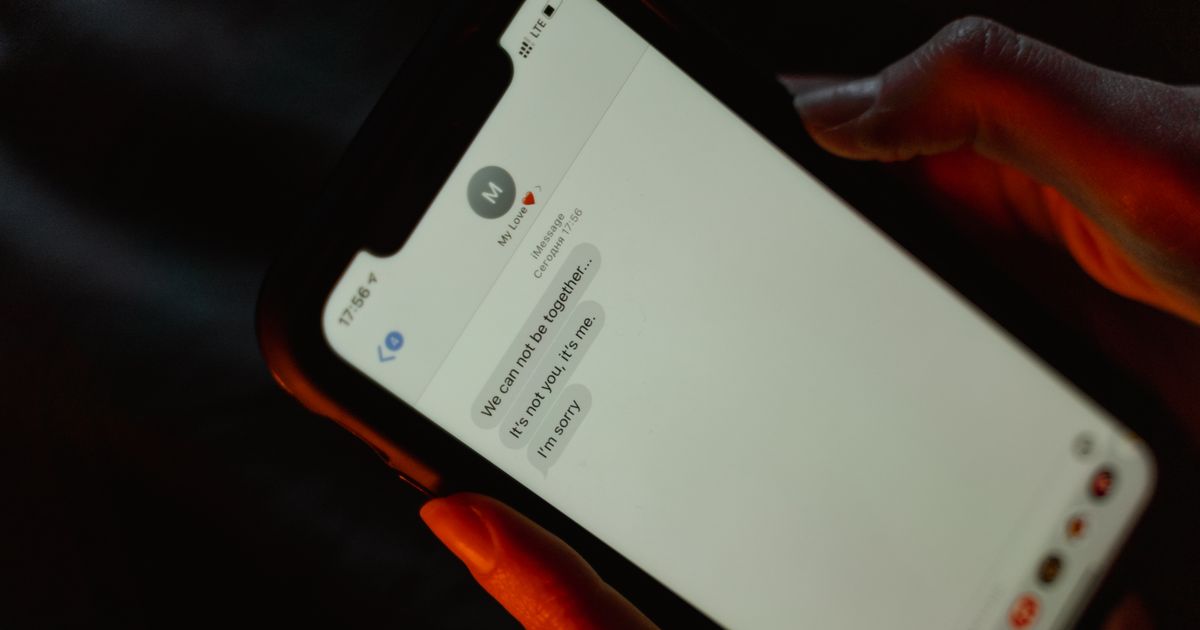
The Angry or Insulting Text

Breakups can bring out strong emotions. Feeling hurt, rejected, or betrayed may create an urge to send a message that expresses every painful thought.
Texts like “You ruined everything,” “I hope you regret losing me,” or “Everyone will know what you did” may feel satisfying for a few minutes, but they often create more conflict rather than resolution.
Hostile messages can invite arguments, increase tension, and keep both people emotionally connected to the breakup instead of moving forward. Research on post-breakup experiences highlights that antagonistic or unwanted contact may contribute to greater distress.
A better approach is to write the message privately and wait before sending it. If there is a practical issue that needs attention, separate it from anger and communicate only what is necessary.
Related: 9 Texts That Mean More to a Partner Than Flowers
The Long Message Demanding Answers
Many people struggle with unanswered questions after a breakup. They want to understand what went wrong and why the relationship ended.
A long paragraph demanding an explanation may sound like: “I deserve to know why you did this,” or “Explain everything that happened between us.”
Although the desire for clarity is understandable, an ex may not be able or willing to provide the type of explanation someone hopes for. A message that demands emotional answers can create pressure instead of meaningful conversation.
Experts often note that closure is not something another person can always provide. While a respectful conversation may help in some situations, healing often also involves personal reflection and accepting that some answers may remain unavailable. Pasted text
If a conversation is appropriate, a short request is usually healthier than an emotional essay.
The Guilt-Trip Message
After a breakup, silence can feel painful. Some people send messages that try to make an ex feel responsible for replying.
Examples include: “After everything I did for you, you owe me an answer,” or “If you ever cared about me, you would respond.”
These messages often come from a genuine need for reassurance, but they can make the other person feel pressured or trapped. They turn a reply into an obligation rather than a choice.
Healthy communication allows both people to have boundaries. If the issue is practical, keep the message practical. If the issue is emotional, consider processing those feelings through friends, journaling, or professional support instead of placing the responsibAlity entirely on an ex.
The Late-Night “I Miss You” Text
Many people experience the strongest urge to contact an ex late at night. Loneliness, memories, old photos, or familiar routines can make reaching out feel unavoidable.
Messages like “I miss you,” “Are you awake?” or “I just want to hear your voice” may be sincere, but timing and intention matter.
Sometimes these messages are less about rebuilding a relationship and more about seeking immediate comfort from a familiar person.
Therapists often recommend identifying the emotion behind the urge before texting. Taking time to pause, write feelings down, or talk with someone else can help clarify whether contacting an ex is actually the right choice.
The Jealous Message About a New Partner
Seeing an ex move on can be painful, especially when social media provides constant updates.
A person may feel tempted to send messages like, “So you replaced me already?” or “Were you with them while we were together?”
These texts often come from hurt, comparison, or fear of being forgotten. However, they usually keep attention focused on the past relationship rather than helping someone heal.
Research involving former partners and social media found that monitoring an ex online was associated with greater distress, more longing, and more negative feelings. The study showed a relationship between these behaviors, not proof that one directly causes the other.
Creating distance from an ex’s online activity may be healthier than repeatedly searching for information that causes pain.
The “I Need Closure From You” Text
Wanting closure after a breakup is common. People naturally want their experience to make sense.
However, messages that say “You need to talk to me so I can move on” or “You owe me closure” can place pressure on someone who may have chosen distance.
A respectful request for a conversation is different from demanding access to someone’s emotions.
Closure may come from many places, including personal reflection, therapy, writing, and accepting the end of a relationship. Some experts recommend practices such as writing an unsent letter as a way to process feelings without requiring a response from an ex.
Repeated Messages After No Response
One unanswered message can feel difficult. Sending multiple follow-ups often comes from anxiety and the desire for certainty.
Messages such as “Did you see my message?” or “Why are you ignoring me?” can become stressful for both people when there is no response.
If communication is necessary, experts generally recommend keeping messages short, factual, and focused on the shared responsibility involved.
If the issue is emotional rather than practical, repeated messages usually do not create the reassurance someone is hoping to receive. Sometimes silence itself communicates a boundary.
The “Let’s Be Friends” Text With Hidden Hope
Not every difficult message is angry. Some of the most confusing texts are warm and nostalgic. A message like “I just want to be friends” may be genuine, but sometimes one person secretly hopes friendship will lead back to romance.
Other examples include sending old memories, mentioning favorite places, or using nostalgia to restart emotional closeness.
Mixed intentions can create confusion and prolong attachment. Research on on-again/off-again relationships suggests that repeated cycles of breaking up and reconnecting can be associated with relationship difficulties and greater distress over time.
If reconciliation is truly the goal, honesty is usually healthier than pretending the message is casual.
Related: Never Delete These 7 Things From a Loved One’s Phone: The Voicemails, Photos and Texts Worth Saving
When Contacting an Ex Makes Sense
Not every message after a breakup is a mistake. Many people need to stay in contact because they share responsibilities. Communication about children, pets, shared finances, property, or work should usually remain brief and focused on the specific issue.
A message about a child’s appointment should focus on the appointment. A message about returning belongings should focus on arrangements. Keeping practical conversations separate from emotional discussions can reduce unnecessary conflict.
Other Posts You Might Like
-
Women are calling out the 13 sexist things men do without realizing it
-
Cool Ways to Ask Someone to Hang Out Over Text Without Sounding Needy
If you like what you just read, then subscribe to our newsletter and follow us on social media.


