


The post America’s 9 Oldest Towns Still Standing first appeared on Crafting Your Home.
What makes a place “old”? The answer is not always as simple as a date on a sign. Some communities trace their history through Indigenous continuity and archaeological evidence, while others are known through Spanish or English colonial records. These 9 destinations represent some of America’s oldest living places, but they should not be viewed as a strict top-to-bottom ranking because their dates come from different kinds of historical evidence.
From ancient Pueblo communities to historic colonial settlements, these destinations offer travelers a chance to explore places where history is still part of everyday life.
Oraibi, Arizona — Roots Reaching Back to the 12th Century
Located on Hopi Third Mesa, Old Oraibi is described as one of the oldest continuously occupied villages in the United States. Archaeological evidence in its National Register documentation places its founding in the 12th century, around 1150. It is also noted as the only early Hopi town said to remain in its original location.
A visit to Oraibi is not a trip to a recreated historic attraction. It is a living Hopi community, so travelers should approach with respect and follow local guidance about access and photography.
Acoma Pueblo, New Mexico — The Ancient “Sky City”
Perched on a sandstone mesa, Acoma Pueblo is a living Pueblo community with roots stretching back centuries. The oldest surviving remains are dated to around 1100 CE, and the National Park Service identifies Acoma as one of the oldest continuously occupied communities in what is now the United States.
Known as “Sky City,” Acoma sits atop a 357-foot mesa. Travelers can begin their visit through the Sky City Cultural Center and Haak’u Museum, which provide context before tours and exploration of the community.
Related: 7 Enchanting Small U.S. Towns Ideal for Senior Travelers
Taos Pueblo, New Mexico — Centuries of Adobe Architecture
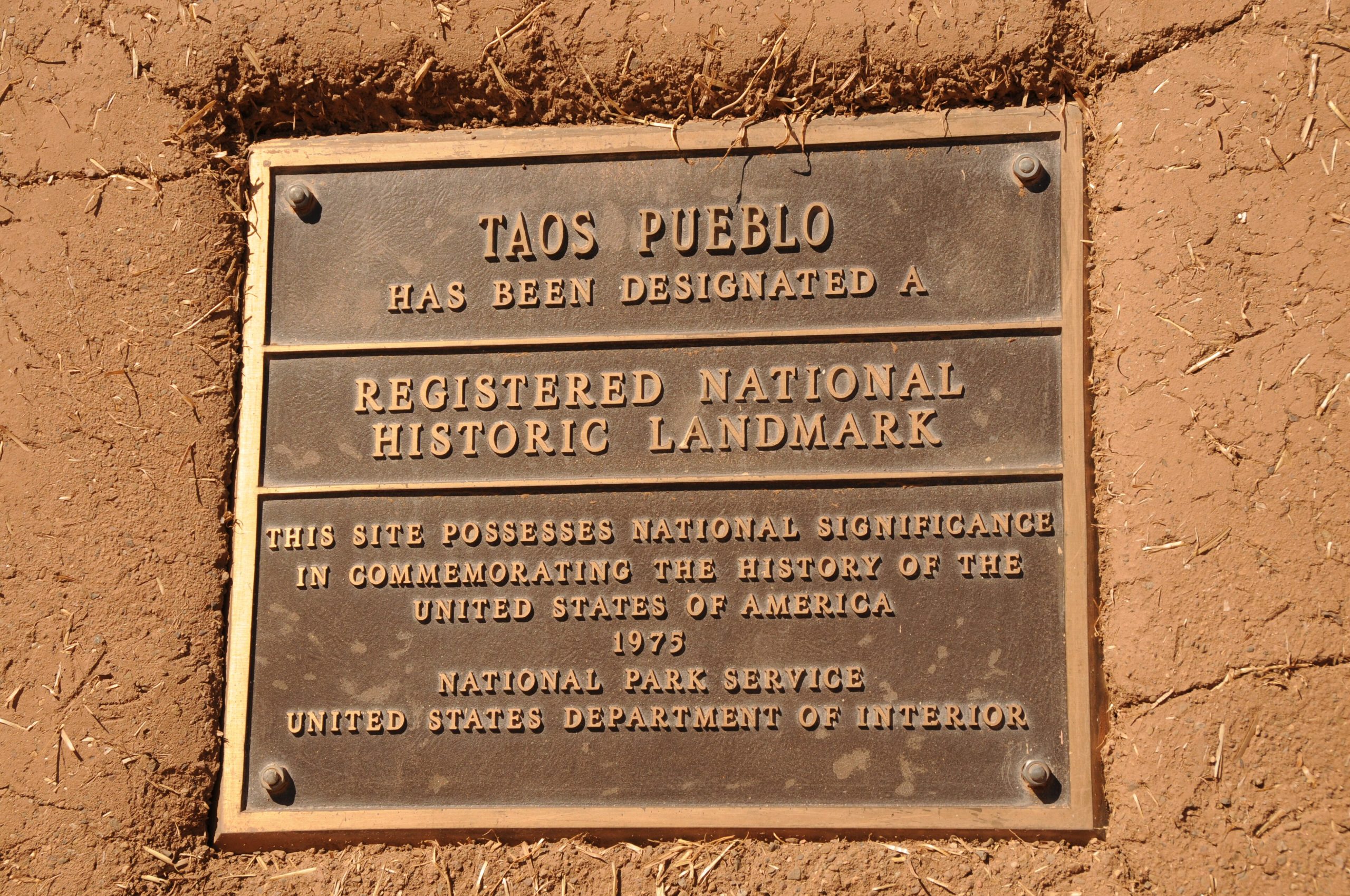
Taos Pueblo is a continuously inhabited settlement recognized for its striking adobe buildings and long connection to the Taos people. UNESCO identifies it as one of the settlements established in the late 13th and early 14th centuries that still survives today.
The community’s North and South Houses rise several stories high, creating one of the Southwest’s most recognizable historic landscapes. Taos Pueblo’s own history also describes the Taos Valley as home to its people for thousands of years and highlights its multi-story adobe homes as more than 1,000 years old.
St. Augustine, Florida — America’s Oldest European-Established City in the Continental U.S.
Founded in 1565 by Spanish admiral Pedro Menéndez de Avilés, St. Augustine is described as the oldest continuously occupied European-established city in the continental United States. It predates Jamestown by 42 years and Plymouth by 55 years.
For visitors, the city combines history and travel appeal with places such as Castillo de San Marcos, the historic district, Spanish colonial sites, and waterfront streets.
Related: 8 Things Florida Residents Should Know About the New Home Insurance Problem
Santa Fe, New Mexico — America’s Oldest State Capital
Santa Fe was founded as a provincial capital in 1610, making it the oldest U.S. state capital. The National Park Service dates its founding to 1610 and connects the city’s early history to Pedro de Peralta and the establishment of the Spanish provincial capital.
One of Santa Fe’s major historic landmarks is the Palace of the Governors, built in 1610 on the north side of the Plaza. Today, visitors can explore adobe architecture, art markets, and the city’s unique blend of Indigenous, Spanish, Mexican, and U.S. influences.
Jamestown, Virginia — The First Permanent English Settlement in North America
Established in 1607, Jamestown was the first permanent English settlement in North America.
Travelers can explore Historic Jamestowne and the archaeological landscape of Jamestown Island while learning about one of the earliest chapters of English colonization in North America.
Hampton, Virginia — A Settlement Dating to 1610
Hampton’s history reaches back to 1610, and the city describes itself as the first continuous English-speaking settlement. Its story also includes the Kecoughtan community and the impacts of English colonization, making its history more complex than a simple founding date.
Visitors can explore Hampton’s historic connections while considering the many communities and cultures that shaped the region.
Plymouth, Massachusetts — The Mayflower Settlement
Founded in 1620, Plymouth is one of the most recognized colonial destinations in the United States. However, it was not the first permanent English settlement; Jamestown came 13 years earlier.
A thoughtful visit includes the Mayflower story, the traditional landing place known as Plymouth Rock, and the history of the Wampanoag people whose homeland includes the region.
Salem, Massachusetts — More Than the Witch Trials
Salem was first settled by Roger Conant and his associates in 1626, four years before Boston. The area was originally known as Naumkeag, an Indigenous name connected to the location’s earlier history.
While Salem is often associated with the 1692 witch trials, travelers can discover a broader story through its maritime history, waterfront, museums, and historic architecture.
The oldest places in America cannot all be measured by the same calendar. Some histories come from archaeology and Indigenous continuity, while others come from colonial records. The most accurate way to explore these destinations is to appreciate the different stories that made them endure.
Other Posts You Might Like
- 8 Most Dangerous Small Towns in America, Based on Reported Crime Data
-
8 of the Worst College Towns in America, According to Students
If you like what you just read, then subscribe to our newsletter and follow us on social media.


