1. Sewing on buttons and repairing clothes
For many students, sewing was more than a hobby. Traditional home economics classes taught basic clothing construction, fabric care, hemming, and repairs. Young people also learned sewing through programs like 4-H.
Today, some Family and Consumer Sciences classes still teach sewing and clothing care, but fewer students may encounter these lessons at school. Knowing how to replace a button or repair a small tear is still a useful way to extend the life of everyday items.
2. Cooking a basic meal from scratch
Mid-century home economics courses often included food preparation, measuring, menu planning, shopping, and kitchen skills. These classes gave many students a structured introduction to cooking.
Modern Family and Consumer Sciences programs may still include food preparation and kitchen basics, but access varies by school. Learning how to prepare a simple meal remains one of those everyday skills that can build confidence at home.
Related: 12 Hobbies Everyone Judges You For
3. Planning meals, shopping, and managing a food budget
Home economics was not only about cooking. Students also learned practical consumer skills, including planning meals, creating shopping lists, and budgeting.
In 1959, about half of American high school girls were enrolled in home economics, where they learned cooking, sewing, budgeting, and shopping. The curriculum often reflected traditional expectations for girls, but the practical lessons remain useful for everyone today.
4. Basic woodworking and tool use
Shop and industrial arts classes introduced many students to woodworking, drafting, construction basics, and safe tool use. Historically, these opportunities were more commonly available to boys than girls.
Although vocational education did not vanish, it became a smaller portion of high-school coursework over time. Learning how to handle basic tools, measure materials, and create simple projects can still give kids a stronger connection to how things are made.
5. Simple household repairs
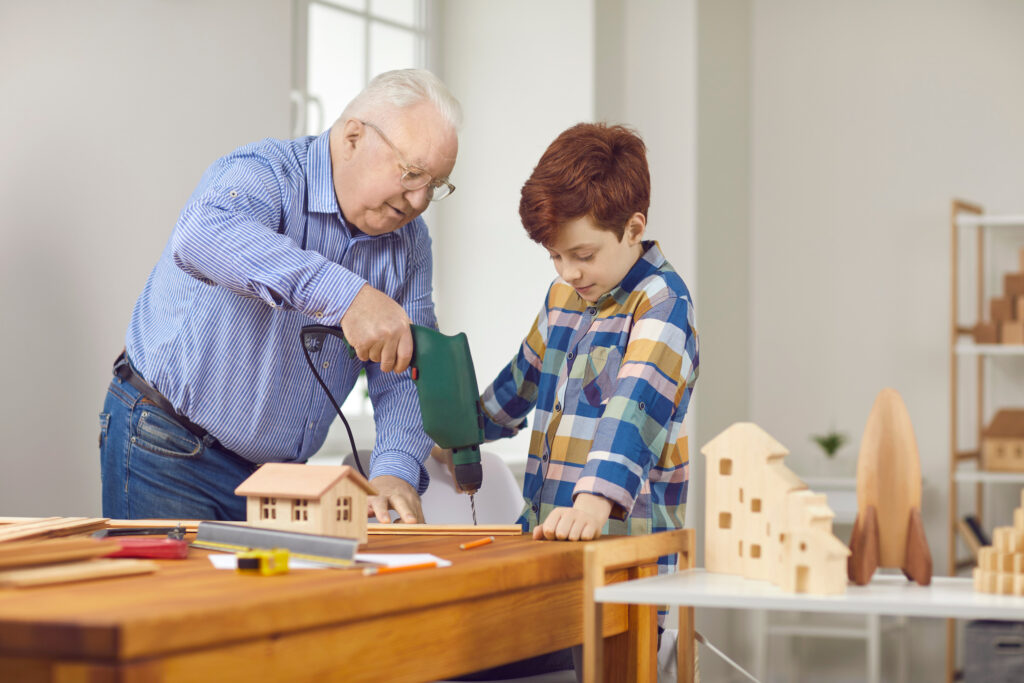
Many children once picked up repair skills through shop classes, family projects, or simply helping around the house. Tightening loose hardware, fixing small problems, and maintaining household items were practical parts of growing up.
These competencies weren’t necessarily taught in one specific class, but often came from repeated exposure. Today, families can still pass along these small but meaningful lessons.
6. Growing food
For many rural children, gardening and farm work were part of daily life. Planting, weeding, harvesting, and caring for animals were often learned through family routines.
Youth programs like 4-H also helped make hands-on agriculture part of childhood learning. The organization began in 1902 through agricultural clubs, including corn-growing and tomato-growing clubs.
Gardening is still practiced today, but fewer children may experience it as a regular part of everyday life.
7. Food preservation and canning
Earlier generations were more likely to see food preservation as part of seasonal routines. Families with gardens often preserved harvests for later use, and youth participated in community efforts connected to food conservation.
During wartime, these efforts became especially visible.
During World War II, victory gardens produced an estimated 40 percent of U.S. vegetables by 1945.
While home canning requires current safety guidance, the historical lesson is simple: many families once had a closer connection to where food came from and how they stored it.
8. Washing, ironing, and caring for clothing
Household care once included lessons about laundry, cleaning, mending, and managing clothing. Older home-management manuals taught young people about tasks such as washing, ironing, cooking, household organization, and bed-making.
Today, clothing care can look different, but skills like reading labels, sorting laundry, handling stains, and deciding when to repair rather than replace clothing remain practical.
Related: 12 Age-by-Age Chores Kids Can Actually Handle
9. Regular household chores
Chores have long been part of family life, especially in agricultural communities. Historical estimates show children ages 5 to 13 did about 3.75 hours of housework weekly, while teenagers ages 14 to 17 did about 7.5 hours weekly in the cited historical series.
Those numbers do not describe every household, but they show that regular contributions at home were once a more visible part of childhood.
Practical skills are not about recreating the past. Kids today are not less capable; they are simply growing up in different environments.
Teaching a few hands-on skills can help children feel more connected to home and more confident solving everyday problems.
You can start small: one button, one recipe, one garden pot, or one simple repair can become a lifelong skill.
Other Posts You Might Like.
- 6 Daily Chores ’60s Kids Did That Today’s Parents Wouldn’t Assign
- Things ’70s parents let their kids do that would raise eyebrows today
- 6 Daily Tasks Baby Boomer Kids Were Expected To Manage Themselves
If you like what you just read, then subscribe to our newsletter and follow us on social media.