
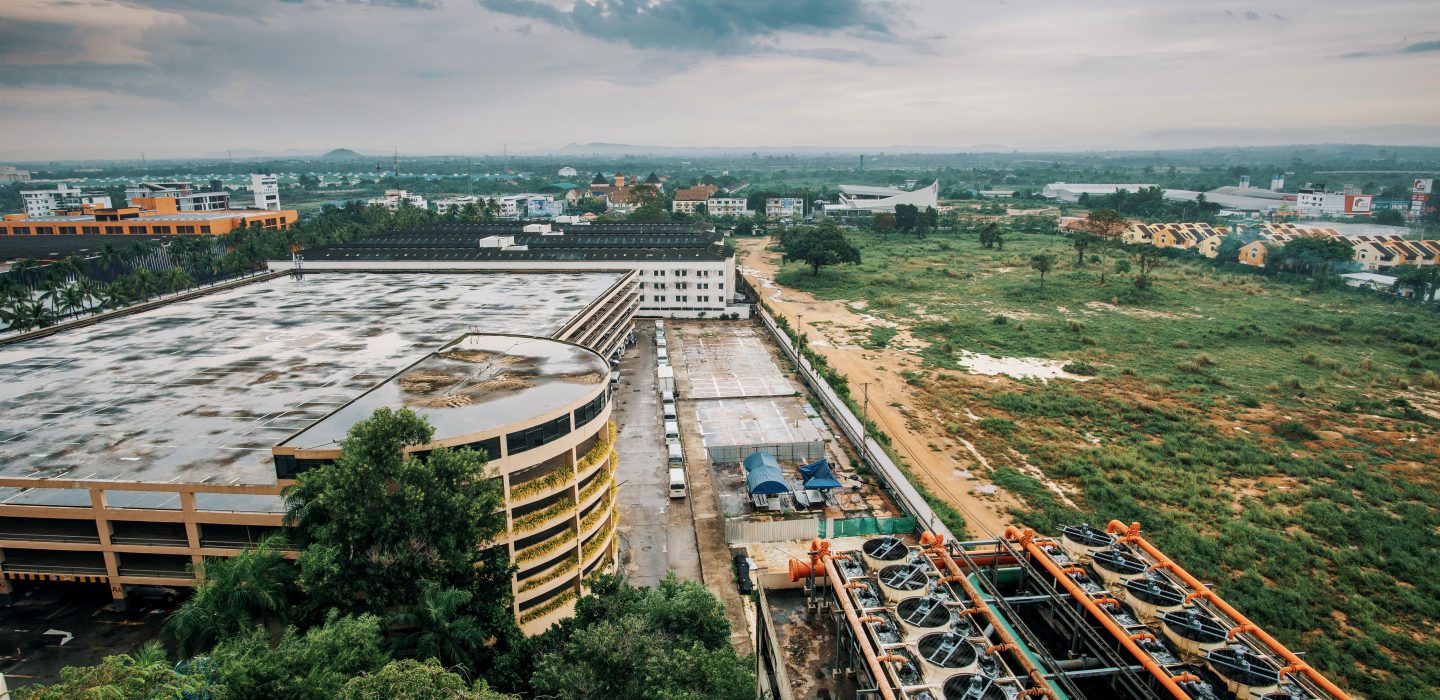

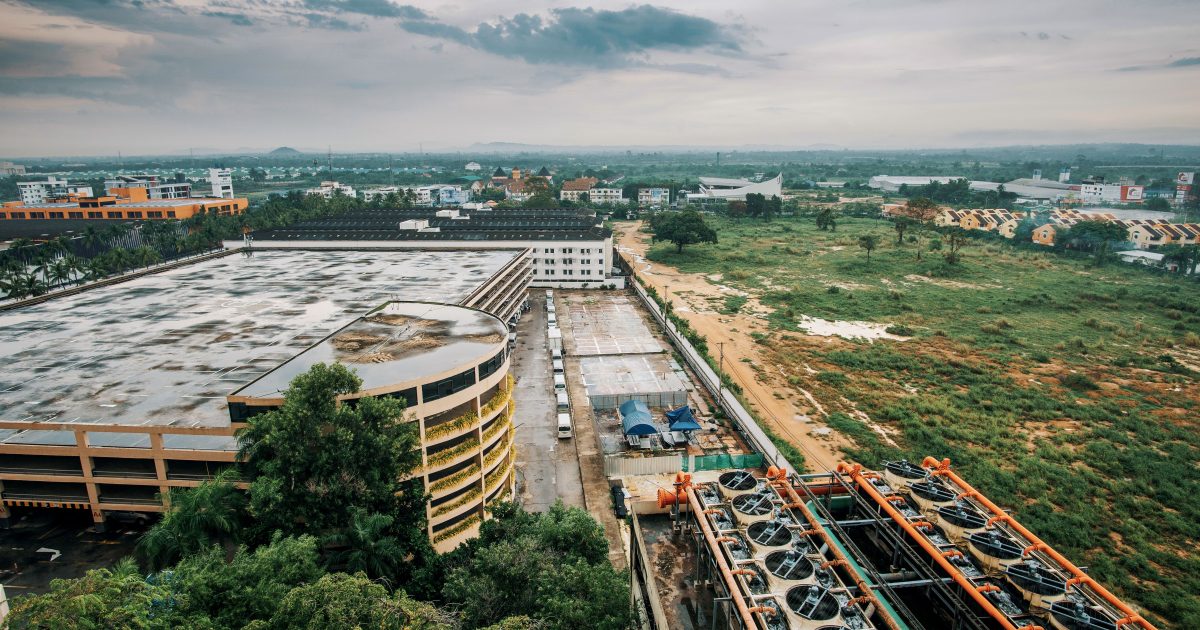
The post: A $500 Million Data Center Could Transform Southwest Atlanta — But Neighbors Want Answers Before It Moves Forward. First appeared on Crafting Your Home.
A massive technology project promises investment and growth, but residents want to know what the future will look like for their community.
A new wave of artificial intelligence infrastructure is reshaping communities across the country, and Southwest Atlanta is now facing a question many cities are struggling with: how much change is too much, and who gets to decide what comes next?
A proposed $500 million data center project has placed the area at the center of a growing debate over economic development, technology expansion, energy use, and neighborhood impact. Supporters see the project as a sign of Atlanta’s growing role in the digital economy. Some nearby residents, however, want more information before welcoming a development they say could permanently change their community’s character.
The conversation reflects a national trend. As demand for artificial intelligence, cloud computing, and digital services accelerates, companies are building more data centers — large facilities filled with computer servers that power many of the online services people use every day. But these projects also face growing questions from residents concerned about electricity demand, environmental effects, and whether local communities will see meaningful benefits.
The project represents Atlanta’s growing role in the technology economy.
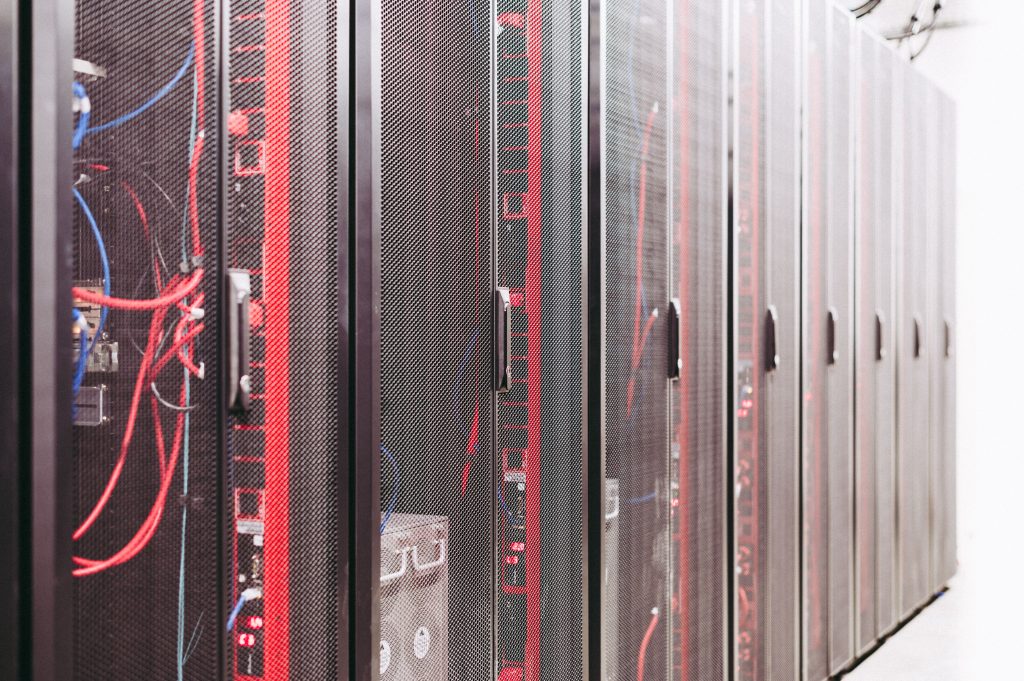
The proposed Southwest Atlanta data center is part of a broader expansion of digital infrastructure across Georgia and the United States.
Data centers have become essential behind-the-scenes facilities supporting everything from cloud platforms and financial services to artificial intelligence applications. Companies have been investing heavily in these facilities as businesses rely more on computing power and data storage.
The reported $500 million investment would make the project one of the larger technology-related developments proposed for the area, potentially bringing construction activity and new economic opportunities.
However, the investment size has also raised questions among residents who want details on how the project would affect surrounding neighborhoods.
Why some neighbors are asking for more information
For many communities, a major data center is not simply a technology story. It is a land-use and quality-of-life issue.
Residents near similar projects across the country have raised concerns about:
- increased electricity demand,
- noise from cooling equipment,
- changes to surrounding infrastructure,
- environmental impacts,
- and whether promised economic benefits match community expectations.
These concerns have appeared in communities from Georgia to California, where residents and local officials have debated how to balance technology investment with neighborhood protections.
For Southwest Atlanta residents, the central question is not only whether the project will arrive — but what it will mean for the people who already live there.
Developers point to investment and economic opportunities.
Supporters of large data center developments often highlight the economic benefits associated with construction, infrastructure investment, and technology growth.
Companies involved in these projects typically argue that new facilities can strengthen local economies and support jobs during construction and ongoing operations.
But experts note that employment numbers can vary significantly. Modern data centers often require specialized workers and can operate with fewer permanent employees than traditional industrial facilities because many systems are highly automated.
That distinction has become an important part of community conversations nationwide: How many jobs will actually remain after construction ends?
The energy debate is becoming impossible to ignore
Behind every data center is a major demand for electricity.
As artificial intelligence systems become more powerful, the computing power they require has grown rapidly. That growth has placed new pressure on electrical grids and increased public discussion about how communities should manage large energy users.
Some technology companies are exploring ways to reduce energy strain, including flexible power management and efficiency improvements. However, critics argue that communities still need clearer information about how individual projects will affect local infrastructure.
For residents, transparency remains a major issue.
Related: 71% of Americans Fear AI Could Take Jobs Despite Reassuring Employment Data
Atlanta faces a larger question about growth and community benefits.
Atlanta has grown significantly in recent years, attracting investment in technology, entertainment, housing, and commercial development.
The proposed data center comes at a time when cities across the country are trying to attract high-value industries while also responding to residents’ concerns about being left out of the benefits of major projects.
The debate is not simply about whether technology should expand. It is about how that expansion happens.
Community members often ask:
- Will residents benefit economically?
- Will infrastructure improvements follow the development?
- Will neighborhood concerns influence planning decisions?
- Will residents have a meaningful voice before construction begins?
A national debate arrives in Southwest Atlanta.
The discussion around the proposed data center mirrors a larger national conversation about the future of artificial intelligence infrastructure.
Across the country, communities are weighing the promise of new investment against concerns about environmental and infrastructure impacts. Financial institutions and developers have increasingly recognized that community support and regulatory approval are becoming important factors in major data center projects.
Southwest Atlanta is now part of that broader conversation.
The project represents a potential investment in the region’s technology future, but residents say they want clear answers before that future takes shape.
The decision ahead will shape more than a building.
A data center may look like a building filled with computers, but for nearby neighborhoods, the impact can be much larger.
It can influence traffic patterns, energy demand, land use, and a community’s identity.
As Atlanta considers this proposed $500 million development, the conversation will likely continue between those who see opportunity and those who want stronger guarantees before accepting change.
The biggest question may not be whether technology will come to Southwest Atlanta.
It may be whether the community feels included in deciding what that future looks like.
Other Posts You May Like
The Relationship Conversation Most Couples Avoid Until It Becomes a Problem
Palos Hills Man Accused of Using Employer’s Credit Card for More Than $6,000 in Sports Bets
6 Things Homeowners Should Do Before September Slips Away
If you like what you just read, then subscribe to our newsletter and follow us on social media.


