



The post How Gardeners Are Turning “Dead Space” Into the Best Part of the Yard first appeared on Crafting Your Home.
The garden no longer has to stop where the lawn begins, or where the fence stands. Across backyards, side yards, patios, and front walks, people are treating the overlooked edges of their property as real growing space, using trellises, containers, climbing crops, and edible landscaping to make every square foot count.
A bare fence can become a cucumber wall. A skinny strip beside the driveway can hold herbs, berries, or pollinator-friendly flowers. Even the patio can become a mini harvest zone when you put pots, rails, and vertical supports to work. The appeal is simple: why leave useful space empty when it could feed you, soften a view, or make the yard feel more alive?
The Fence Is No Longer Just a Fence
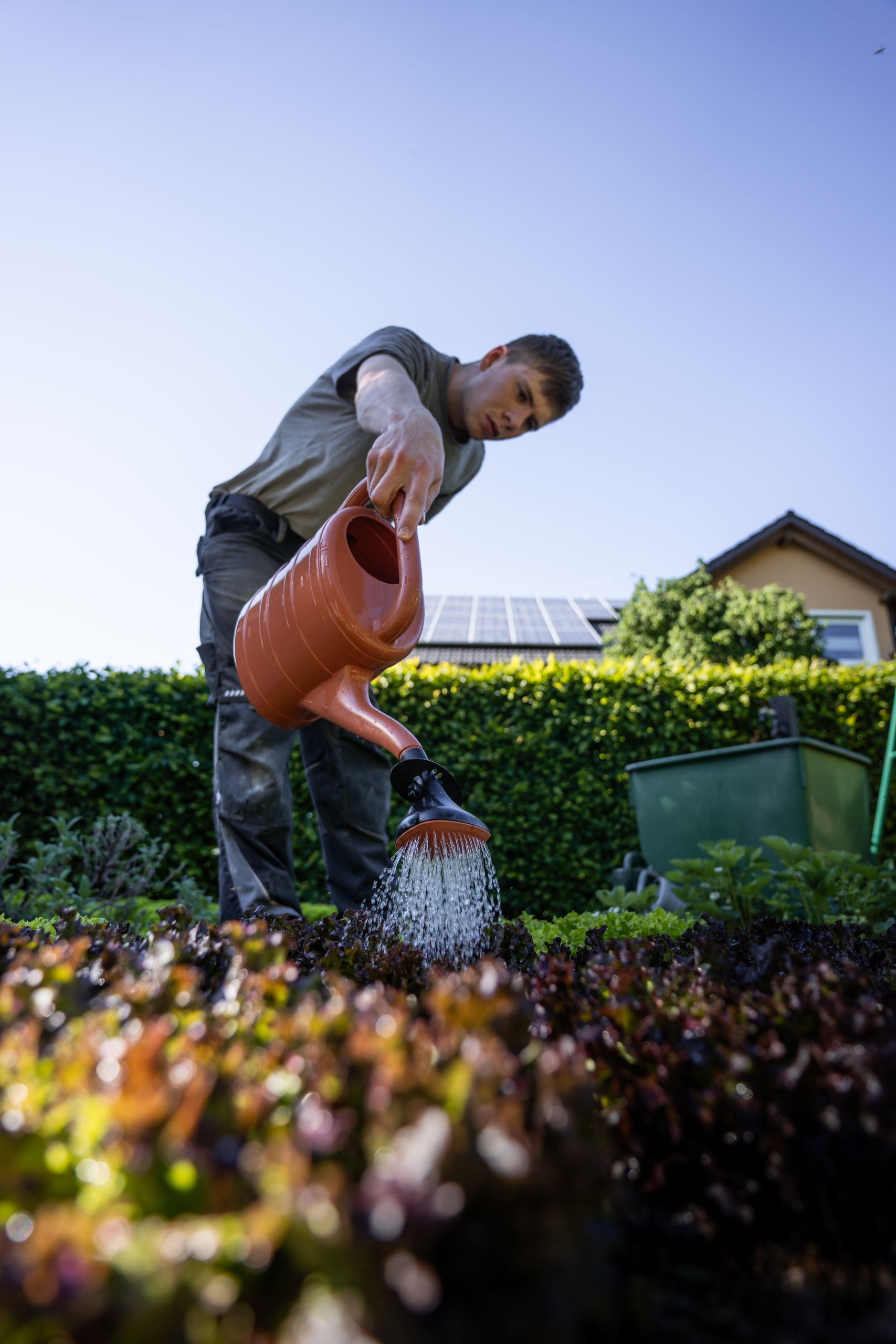
For years, the usual backyard formula was straightforward: lawn in the middle, flower beds around the edges, and a fence that mostly marked the boundary. Now, gardeners look at that same fence line and see a ready-made vertical surface. Instead of letting it sit there, they are adding trellises, wire panels, climbing plants, and compact containers that give the yard height, texture, and, in many cases, food.
That approach makes particular sense for people with modest-size lots. The University of Minnesota Extension notes that vertical growing can create space when ground room is limited, and it recommends structures such as obelisks or simple six-foot poles tied at the top for crops including cucumbers, tiny pumpkins and mini watermelons. In other words, a garden does not necessarily need to spread outward; it can climb.
Trellises are especially useful for crops that naturally want to ramble. The University of Minnesota Extension says peas and beans often need support, while cucumbers, squash, and melons can be successfully grown in smaller spaces when trained upward. The organization also notes that trellising can produce straighter, cleaner fruit for vine crops, a nice bonus for gardeners tired of hunting through leaves for a cucumber sitting on damp soil.
The setup does not have to be elaborate to work. A basic trellis is simply a pair of vertical supports with mesh between them, according to the Extension guidance. Gardeners can use materials such as plastic netting, chicken wire, or galvanized fencing, but the support needs to be sturdy enough for the crop it will carry, especially if the vines will eventually hold fruit.
Skinny Side Yards Are Having a Moment
The narrow passage between a house and fence is often treated as a place to stash bins, hoses, and the occasional forgotten rake. But it can be one of the most useful parts of a yard when gardeners stop trying to force it into a traditional garden-bed shape. A slim pathway can accommodate containers, wall-mounted planters, a narrow raised bed or a trellis with climbing beans, flowers or compact fruit.
Container gardening is one of the easiest ways to claim those awkward spaces without committing to major digging. Oregon State University Extension says gardeners can grow vegetables including lettuce, herbs, tomatoes, peppers, eggplant, carrots, beans, squash, radishes, kale, chard and spinach in containers. It also recommends looking for dwarf or miniature varieties when space is tight.
The container itself matters more than the “anything can be a planter” social-media fantasy might suggest. Oregon State University Extension says nearly any container can work if it has good drainage, but deeper-rooted crops such as tomatoes, peppers, and eggplant need five-gallon containers. It also cautions gardeners against using heavy garden soil or topsoil in pots, recommending lightweight potting mixes or composted soil designed to drain well instead.
And yes, containers bring a little more responsibility. Potting mix dries out faster than in-ground soil, especially in sunny locations, so regular watering is essential. Oregon State University Extension says daily watering may be necessary in hot, exposed conditions and recommends watering when the top of the soil feels dry, continuing until water drains from the bottom. That is not glamorous, but it is the difference between a thriving tomato plant and a very expensive crispy twig.
The Front Yard Can Grow More Than Grass
The idea of using more of the yard also extends beyond the backyard gate. Edible landscaping, mixing food-producing plants with ornamental ones, is a practical way to make a front yard attractive without reserving every inch for turf. It can mean berry shrubs in a border, herbs along a walkway, flowering edible plants near the front porch, or a small fruit tree chosen for its mature size.
Oregon State University Extension defines edible landscaping as using food-producing plants in residential landscapes. The approach can combine fruit and nut trees, berry bushes, vegetables, herbs, and edible flowers with ornamental plants, and it can range from a landscape that is only partly edible to one that is almost entirely edible.
The key is not to pretend every plant belongs everywhere. Most fruit and vegetable crops need six to eight hours of sunlight to produce well, Oregon State University Extension says, so the first step is watching how sun and shade move through the yard before deciding that a shaded side strip is suddenly the ideal home for tomatoes. A front bed that gets morning sun may be better for herbs and leafy greens, while the brightest fence line could be reserved for fruiting crops that need more light.
Gardeners also need to plan for the size plants will eventually reach, rather than how tidy they look at the nursery. Oregon State University Extension specifically recommends dwarf or semi-dwarf trees and smaller shrubs for limited spaces, and points to trellises, fences, and arbors as useful structures for growing edible trees, shrubs, and vines vertically. That means a yard can feel full and productive without becoming a chaotic jungle by July.
Make Every Inch Work, Without Making It Hard
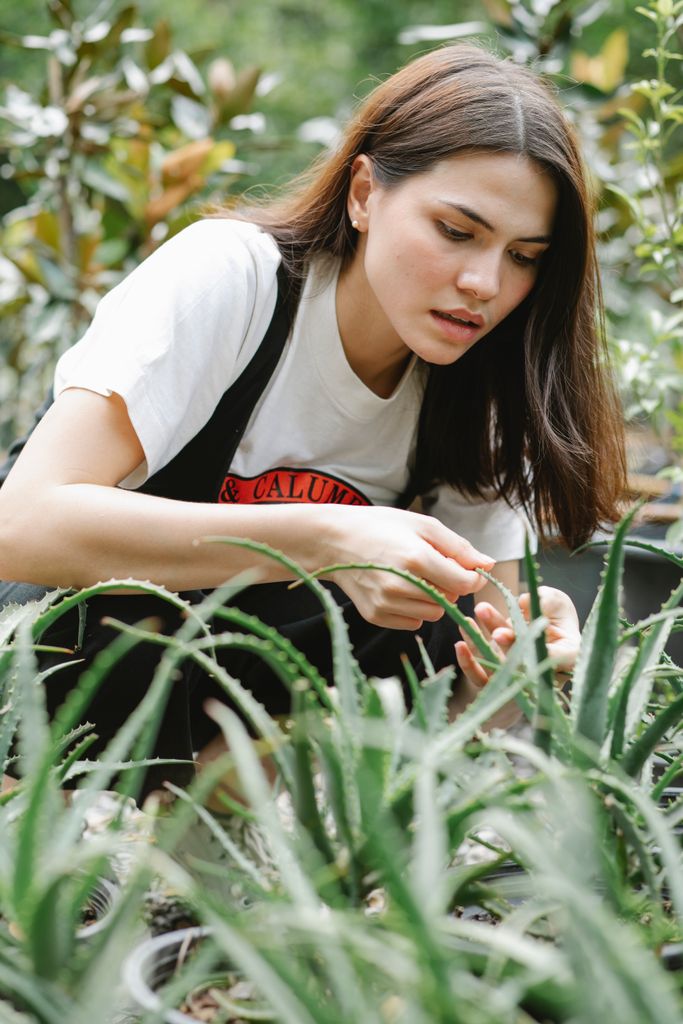
The best version of this trend is not about cramming a plant into every available crack. It is about noticing the spaces that are already there: the empty fence, the sunny stoop, the narrow strip beside the garage, the railing that could support a planter, the corner that gets enough light for a pot of basil. Start with one area, choose plants that actually suit its light and size, and give them the support and watering they need.
Before digging new beds or installing posts, homeowners should also think about the unglamorous but important details. Oregon State University Extension advises people to call 811 to locate underground utilities before digging and to identify any in-ground irrigation pipes. Property lines, local rules, homeowners association guidelines, and a neighbor’s side of a shared fence are also worth checking before turning a boundary into a full-scale vine-covered feature.
The fun of this new yard mindset is that it makes the garden feel less like a separate destination and more like part of daily life. A handful of herbs beside the back door, beans climbing a sunny fence or strawberries tucked into containers can transform ordinary space into something useful and beautiful. The fence is still a fence, but now it might also be dinner, a privacy screen, and the most interesting thing in the yard.
Other posts you might like:
- 9 Garden Sheds That Prove Outdoor Storage Can Look Beautiful
- 8 Pretty Flowers That Can Help Support a Thriving Vegetable Garden
If you like what you just read, then subscribe to our newsletter and follow us on social media.


