

The post The Grocery Store Switch That Could Help Americans Cut Food Costs Without Giving Up Dinner at Home in 2026 first appeared on Crafting Your Home.
For many Americans, grocery shopping has become a frustrating financial reality. A cart filled with ordinary dinner ingredients- pasta, chicken, vegetables, bread, milk, and household basics can now cost far more than families expect. Although grocery inflation has slowed compared with the sharp increases of the early 2020s, prices remain much higher than before the surge.
The challenge for households in 2026 is not simply finding ways to spend less on food. It is finding ways to keep cooking at home without sacrificing quality, variety, or convenience. One of the most practical changes may be surprisingly simple: switching the store where you do most grocery shopping.
Instead of relying on a traditional supermarket as the default, many households can reduce costs by making a low-price retailer, warehouse club, supercenter, or value-focused regional grocery chain their main shopping destination.
Stores such as Aldi, Lidl, Walmart, WinCo, Costco, BJ’s Wholesale Club, and similar retailers compete heavily on everyday prices. Making these stores the foundation of a household grocery routine can create weekly savings.
The strategy is not about buying less food. It is about changing where you buy the same basic food items.
Why grocery bills still feel expensive in 2026

Food inflation has cooled, but consumers are still paying higher prices set by years of increases. A slower rate of inflation does not mean prices return to their old levels.
USDA forecasts that food-at-home prices will rise about 2.5% in 2026, while food-away-from-home prices, including restaurants and takeout, are expected to rise faster at about 3.6%. This means cooking at home continues to offer a relative advantage for households trying to control spending.
However, the pressure is not evenly distributed. Lower-income households spend a much larger share of their income on food compared with higher-income households. For families already managing tight budgets, even small differences in grocery prices can have a meaningful impact.
The question is no longer whether home cooking saves money. The question is how to make home cooking affordable enough to maintain.
The biggest change: choose an “anchor store”
Most households already shop at multiple retailers, but many do so without a clear strategy. They may visit the nearest supermarket out of habit, convenience, or familiarity even when another store offers lower prices on the products they buy most often.
An “anchor store” approach changes that.
The anchor store becomes the place where a household buys the majority of its regular items:
- Rice, pasta, oats, and flour
- Milk, eggs, and yogurt
- Frozen fruits and vegetables
- Pantry staples
- Basic proteins
- Household supplies
- Store-brand products
You can still use a second store for specific needs, such as specialty ingredients, a favorite brand, or fresh items unavailable elsewhere.
The goal isn’t to visit every store for deals. The goal is to make the lowest-cost option the normal choice.
Consumer Reports research shows that grocery prices can vary significantly between retailers. In some metropolitan areas, the difference between the highest- and lowest-priced supermarket baskets exceeded 33%. While savings depend on location, shopping habits, and product choices, the research highlights an important point: the store itself can influence the size of the bill.
Private labels are becoming the new normal

A major part of this grocery shift is the growing acceptance of store brands, also called private labels. For years, some shoppers viewed store brands as lower-quality alternatives. That perception has changed. Retailers have invested heavily in improving their private-label products, and many shoppers now consider them equal alternatives to national brands.
Private-label products are especially effective for everyday items where brand differences are often small:
- Pasta
- Canned vegetables and beans
- Baking supplies
- Frozen foods
- Milk and dairy products
- Cleaning products
- Paper goods
Switching does not require replacing everything. Many families can save money by gradually testing store brands and keeping national brands only when they have a strong preference.
The key is to compare unit prices and check ingredients and nutrition information when it matters. A lower price doesn’t automatically mean lower quality, and a higher price doesn’t always guarantee a better product.
Related: 8-grocery-store-tricks-nutritionists-use-to-shop-smarter
A realistic two-store strategy
The most sustainable approach for many families is a simple two-store system. First, do the main weekly shop at a lower-cost retailer. Buy the basics that repeat in meals throughout the week.
Second, use another store only when necessary. This might be for a specialty ingredient, a dietary requirement, a preferred coffee brand, or a specific product that a family values.
For example, a household might purchase pasta, rice, beans, frozen vegetables, milk, eggs, chicken, and household supplies from a discount retailer. It could then visit a traditional supermarket for fresh herbs, specialty items, or a preferred brand.
This approach protects the grocery budget without making meals feel restrictive.
Planning meals around savings
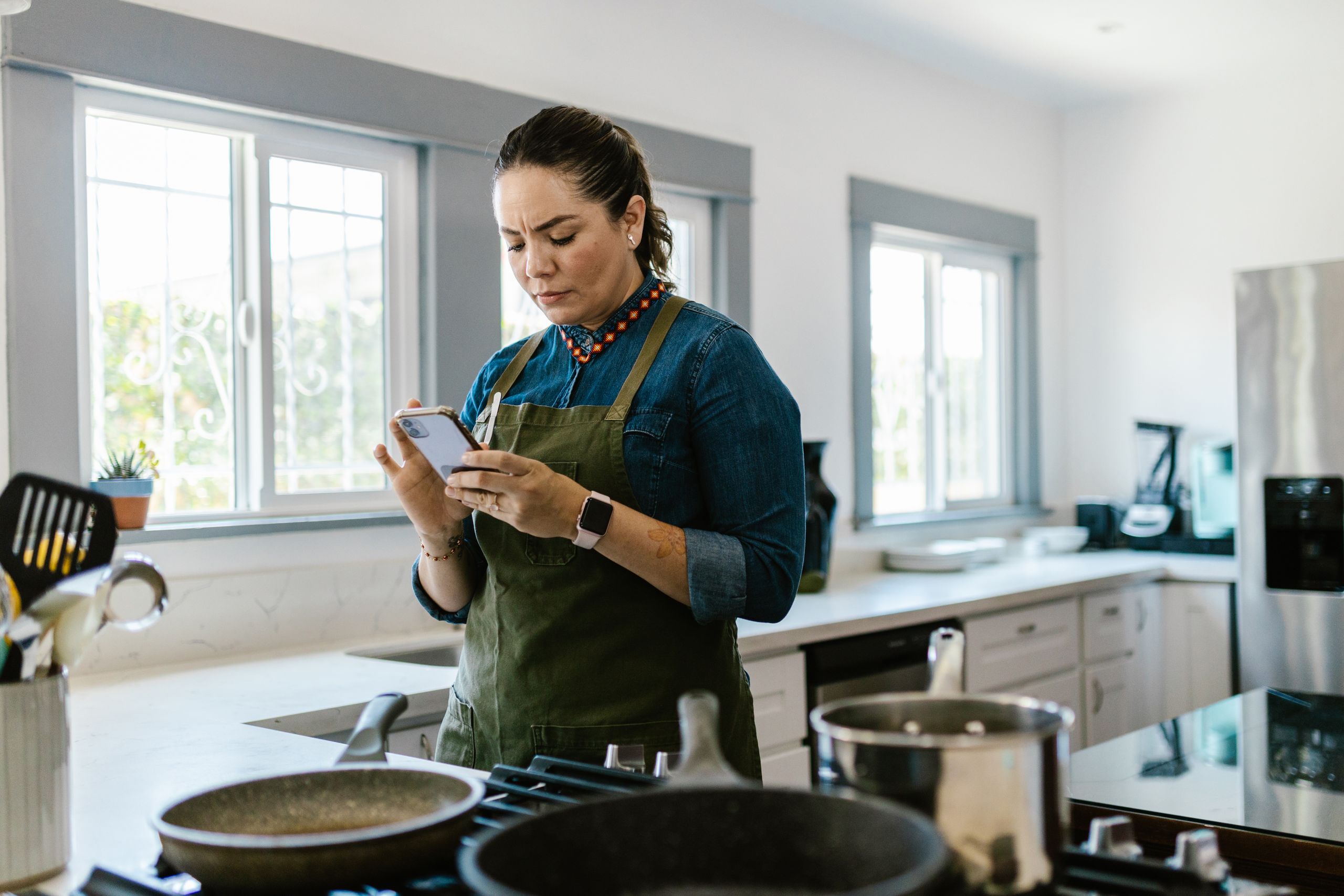
Changing stores works best when combined with smarter meal planning. Instead of choosing meals first and shopping afterward, families can build menus around affordable ingredients already available at home.
A package of chicken can become several meals: tacos one night, rice bowls another night, and soup later in the week. A bag of frozen vegetables can serve as a side dish, stir-fry ingredient, or pasta addition.
This reduces waste, limits emergency shopping trips, and allows households to take advantage of lower-cost ingredients.
The limits of the strategy
While changing grocery habits can help many households, it is not equally accessible to everyone. Some consumers may live far from discount retailers or lack transportation. Others may have limited storage space, unpredictable work schedules, dietary restrictions, or medical needs that make certain stores less practical.
Warehouse clubs can provide savings but may require membership fees and enough storage space to make bulk purchases worthwhile. Discount stores may offer lower prices but sometimes have fewer brands or smaller selections.
The best grocery strategy depends on each household’s circumstances.
The bottom line
The grocery savings opportunity in 2026 is not about giving up home-cooked meals or chasing every discount. It is about changing the default system behind those meals.
Making a lower-cost retailer the main grocery destination, using private-label products strategically, planning meals around affordable ingredients, and reducing waste can help households keep dinner at home while controlling costs.
The biggest savings may not come from one coupon or one sale. They may come from changing the place where the everyday grocery basket begins.
Other posts you might like
- 7alarming-ways-rising-costs-are-shrinking-the-american-grocery-cart
- union-report-warns-electronic-shelf-labels-could-raise-grocery-prices-cut-jobs
- 10 grocery-items-americans-are-cutting-back-on-due-to-inflation
If you like what you just read, then subscribe to our newsletter and follow us on social media.


