
The post The Boomer Food Traditions That Still Bring People to the Table first appeared on Crafting Your Home.
Ask someone about the food they grew up with, and chances are you’ll hear a story before you hear a recipe.
Maybe it’s the smell of a roast chicken on a Sunday afternoon. Maybe it’s a handwritten recipe card covered in flour fingerprints. Maybe it’s a casserole that appears at every holiday, even though nobody remembers exactly who started making it.
These food traditions are often linked with the Baby Boomer generation, but they’re not a single “Boomer menu.” Families across the U.S. have always cooked through their own cultures, regions, religions, and traditions. A family recipe might be Southern, Italian American, Mexican American, Jewish, Filipino American, Caribbean, Indigenous, Chinese American, or something completely unique to one household.
What makes these traditions interesting is not just the food itself. It’s how food creates connection.
And many of these habits are still alive, just with modern updates.
Sunday Dinner Was Never Just About Dinner

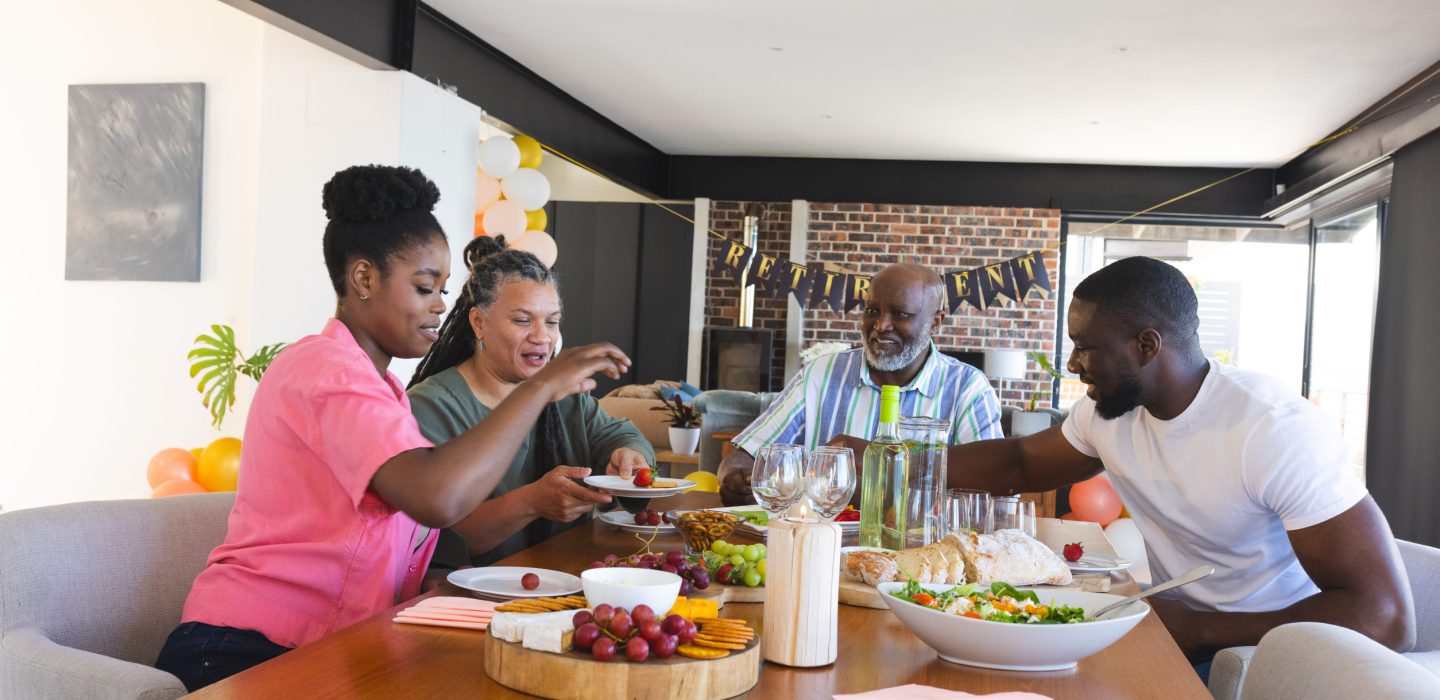
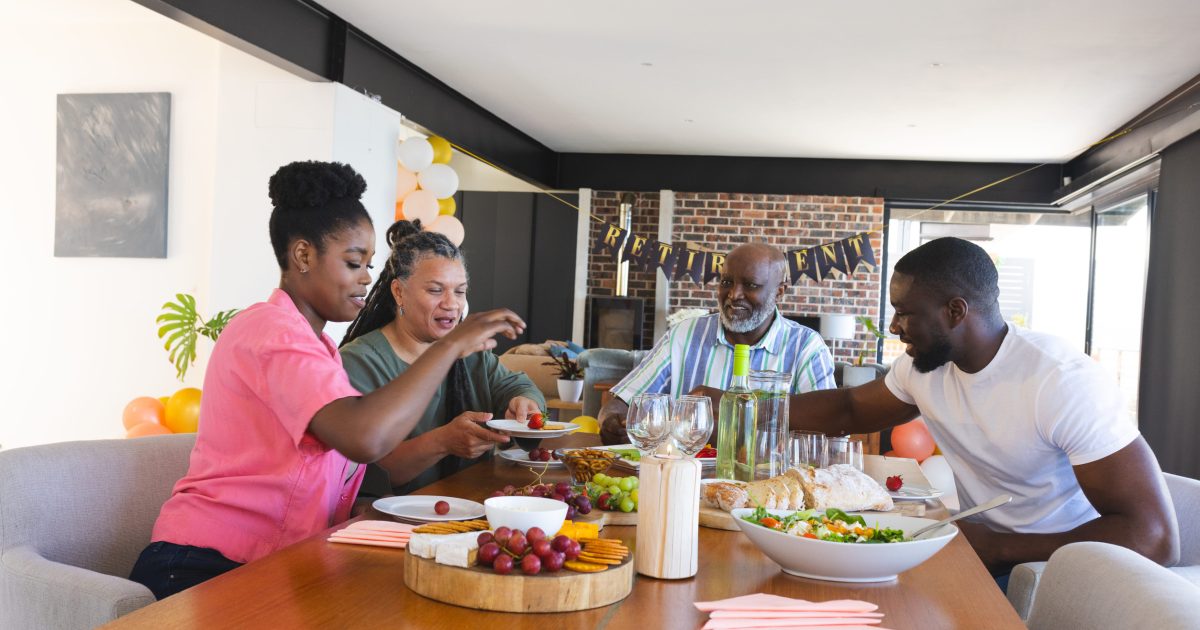
For many families, a weekend meal was the moment everyone stopped rushing and actually sat together. It might have been roast beef, fried chicken, spaghetti and meatballs, macaroni and cheese, beans and greens, or a family specialty nobody else could quite recreate.
The magic wasn’t necessarily the menu. It was the ritual, people gathering around a table, passing dishes, catching up, and sending guests home with leftovers.
Today’s schedules may look different, but the desire for shared meals hasn’t disappeared. Recent research shows that home cooking remains a regular part of American life, with most adults reporting they eat home-cooked meals multiple times a week. The story is less about one generation “saving” family meals and more about how families keep adapting them.
The Recipe Card: A Tiny Family Time Capsule
Before recipes lived in apps and social media feeds, many cooks relied on index cards, notebooks, newspaper clippings, and community cookbooks. The best recipes often came with instructions that would make modern cooks laugh, “Bake until done.” “Add enough flour.”
“Cook until it looks right.”
Those vague directions were actually a sign of experience. The recipe wasn’t just a list of ingredients, it was a memory of the person who made it. A stained card for banana bread, sweet potato pie, tamales, pasta sauce, pickles, or barbecue seasoning can carry family history in a way a digital file often cannot.
Community cookbooks from churches, clubs, and local groups became especially important records of what people actually cooked in everyday life. Younger cooks may find recipes through websites, videos, and apps, but the goal is often the same: finding something meaningful to make.
Holiday Cooking: The Annual Performance Everyone Knows
Holiday meals have always been part cooking, part tradition, and part theater. There’s the person assigned to the turkey. The person who “owns” the pie recipe. The person who insists the stuffing must be made a certain way. Classic holiday dishes might include turkey, dressing, mashed potatoes, sweet potatoes, cranberry sauce, pies, ham, casseroles, tamales, lasagna, or regional favorites passed through generations.
The funny thing? Tradition does not always mean “made exactly the old way.” Modern holiday tables often include vegetarian dishes, gluten-free options, healthier versions, and recipes borrowed from different cultures. The tradition survives because it changes.
The Casserole: The Original Convenience Hack
Long before meal-prep videos and one-pan recipes became popular online, families relied on casseroles.
Casseroles worked because they were practical. They stretched ingredients, fed a crowd, used leftovers, and could be prepared ahead of time.
Think green bean casserole, tuna noodle casserole, chicken and rice, baked ziti, scalloped potatoes, or macaroni and cheese.
They also represent an important truth about older American cooking: “homemade” did not always mean everything started from scratch. Postwar kitchens combined home cooking with new convenience foods like canned ingredients, frozen foods, boxed mixes, and supermarket products. That mix helped make many classic dishes memorable.
Leftovers Were a Skill, Not a Problem

A good cook didn’t see extra food as waste. They saw possibilities. Yesterday’s roast chicken became soup. Thanksgiving turkey became sandwiches or casseroles. Extra vegetables became a new dinner. Bread became stuffing, French toast, or bread pudding.
This habit came from practicality, thrift, and older lessons about avoiding waste.
While many Boomers did not personally experience wartime rationing, many grew up with parents and grandparents shaped by those experiences. Those values often traveled through families. Today, meal prep is a modern cousin of that same idea: prepare food intentionally, save time, and make ingredients work harder.
The Real Tradition Was Passing It On
Maybe the most lasting food tradition is not a particular dish. It’s teaching someone else how to make it.
It’s a grandparent showing a child how dough should feel. It’s learning when a sauce is “ready” without measuring. It’s being trusted with the family pie recipe.
Food carries knowledge that is hard to write down: timing, instincts, stories, and memories. The future of these traditions probably won’t look exactly like the past. People will still use delivery services, online recipes, grocery shortcuts, and new cooking tools. But they’ll also keep gathering, sharing meals, and creating their own versions of family favorites.
Because at the end of the day, the most important ingredient was never the casserole, the pie, or the roast.
It was the people sitting around the table.
Other posts you might like
- 9-everyday-foods-people-are-choosing-as-they-think-about-aging-well
- what-happened-to-these-boomer-traditions
If you like what you just read, then subscribe to our newsletter and follow us on social media.