

The post Trump Administration Moves to Roll Back Power-Plant Climate Rules: What Could It Mean for Americans? first appeared on Crafting Your Home.
What has changed in the debate over power-plant climate rules? Rules governing coal- and natural-gas-fired power plants sit at the center of a major debate over climate change, public health, energy costs, and the future of the U.S. electricity system.
The Trump administration has pursued a broader effort to reduce regulatory burdens on the energy sector, including policies affecting how power plants address greenhouse-gas emissions. However, understanding the consequences requires separating confirmed legal actions from proposals, political statements, and ongoing court disputes.
The most important question is not simply whether climate rules are being “rolled back,” but exactly which rules have changed, what legal status those changes have, and what effects can reasonably be expected. Environmental regulations can move through several stages: agencies may announce intentions, propose new rules, finalize regulations, face lawsuits, or revise policies after court decisions. Each stage has different implications for power companies, states, consumers, and communities.
Climate rules for power plants primarily address greenhouse gases, especially carbon dioxide, because electricity generation has historically been a major source of U.S. emissions. Carbon dioxide remains in the atmosphere for long periods and contributes to long-term warming. Changes to power-sector climate regulations can influence decisions about plant operation, investment, retirement, and future energy technologies.
At the same time, climate regulations are not the same as all air-pollution regulations. A change affecting carbon emissions does not automatically remove requirements controlling pollutants such as sulfur dioxide, nitrogen oxides, particulate matter, mercury, or other hazardous pollutants. Those pollutants have different health effects and are often regulated under separate programs.
A careful assessment therefore requires looking at the specific regulation involved, the pollutants affected, the legal authority behind the rule, and the evidence available about possible outcomes.
How could changes affect emissions, health, and communities?
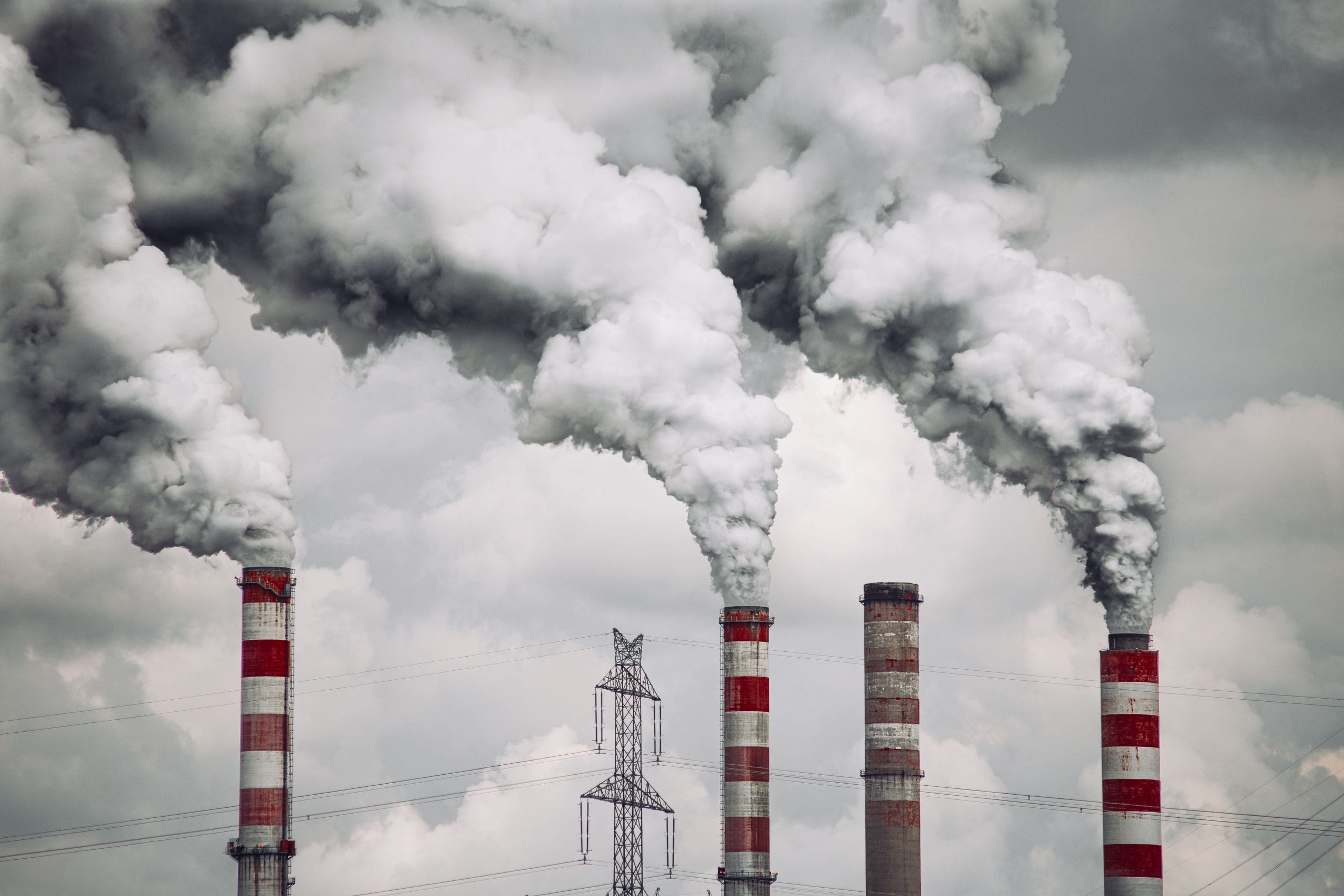
The effects of power-plant policy changes depend on a chain of events rather than a single decision directly producing a specific outcome. A regulatory change may alter compliance obligations or the economics of operating a plant. Companies may then decide whether to continue operating facilities, invest in pollution controls, change fuel use, or retire older plants. Those decisions can influence emissions, which may affect air quality or future greenhouse-gas levels.
For climate change, the relationship is especially complex. Greenhouse-gas emissions accumulate over time, and global temperature changes depend on worldwide emissions rather than a single policy decision. A single U.S. regulatory action may shape future emissions trends, but it cannot be identified as the sole cause of a specific storm, wildfire, flood, or heat event.
Public-health impacts require similar caution. Fossil-fuel power plants can emit pollutants associated with respiratory and cardiovascular risks. Fine particulate matter, ozone-forming pollutants, sulfur dioxide, nitrogen oxides, and hazardous air pollutants have been studied extensively because exposure to these pollutants can contribute to health problems.
However, estimating the health effect of a particular regulatory change requires several steps. Researchers must determine how the policy changes plant behavior, how emissions change compared with a baseline scenario, how pollution concentrations change in communities, and how those changes affect exposed populations. Models can estimate possible outcomes, but those estimates depend on assumptions about energy demand, plant operation, technology adoption, and future economic conditions.
Communities located near fossil-fuel facilities may experience different risks than populations farther away. Researchers often examine whether low-income communities, historically overburdened communities, children, older adults, and people with existing health conditions face higher vulnerability. However, evidence about exposure and health effects must be evaluated carefully rather than assumed based only on location or demographics.
The arguments over energy costs, reliability, and regulation
Supporters of reducing power-plant regulations argue that fewer restrictions could lower compliance costs, encourage domestic energy production, and improve electricity reliability by keeping more conventional power resources available. They often argue that coal and natural gas plants provide dependable electricity, especially during periods when renewable resources such as wind and solar are not producing at expected levels.
The reliability question is one of the most important parts of the debate. Electricity systems must balance supply and demand at all times. Grid experts consider factors including transmission capacity, fuel availability, extreme weather, energy storage, demand growth, and the retirement of older generating facilities.
Opponents of regulatory rollbacks argue that weakening climate protections could increase future emissions, delay investments in cleaner technologies, and create additional public-health costs. They also argue that pollution reductions can provide economic benefits by reducing healthcare expenses and preventing environmental damage.
The economic debate is not simply about regulation versus deregulation. Many factors influence electricity prices, including fuel costs, infrastructure investment, market design, weather, and consumer demand. Changes in environmental requirements may affect costs, but they are only one part of a larger energy system.
Technology also plays a major role. Renewable energy, battery storage, nuclear power, carbon capture, energy efficiency, and transmission expansion are all discussed as possible parts of the future electricity mix. Each option has benefits, limitations, and implementation challenges. Experts often disagree about the speed and cost of transitioning the power sector, making evidence-based analysis essential.
What happens next for U.S. power-sector policy?
The future of power-plant climate policy will depend on legal challenges, agency decisions, state policies, market responses, and future administrations. Environmental regulations are often shaped not only by executive actions but also by federal courts, Congress, state governments, and electricity regulators.
States may continue pursuing their own climate and air-quality policies even if federal rules change. Utilities must also make long-term planning decisions about generation capacity, infrastructure investments, and customer needs. Because power plants often operate for decades, regulatory uncertainty can influence investment decisions.
The central issue is balancing multiple goals: reducing climate risks, protecting public health, maintaining reliable electricity, and keeping energy affordable. Different groups prioritize these objectives differently, but accurate analysis requires separating evidence from political claims.
The strongest conclusions come from examining verified regulatory actions, scientific research, energy data, and transparent assumptions. Climate policy debates often use simplified language, but the real-world effects of power-sector decisions are complex. A regulatory change may have major consequences, but those consequences must be measured with evidence rather than predicted with slogans.
For Americans, the practical takeaway is that power-plant rules affect more than electricity generation. They influence decisions about energy infrastructure, pollution control, climate strategy, and community health. Understanding what has actually changed and what remains uncertain is essential for evaluating the future of the U.S. energy system.
Other Posts You Might Also Like
- the-september-garden-mistakes-that-can-make-your-spring-garden-harder
- extreme-heat-continues-across-parts-of-the-u-s-as-fall-approaches
If you like what you just read, then subscribe to our newsletter and follow us on social media.


