

The post The September Garden Mistakes That Can Make Your Spring Garden Harder first appeared on Crafting Your Home.
September feels like the finish line for many gardeners. The heat is easing up, growth is slowing down, and it’s tempting to call the season done.
According to horticulture extension experts, that instinct is exactly where a lot of spring garden problems get their start. September isn’t a wind-down month; it’s a setup month. A handful of common missteps this time of year can quietly cost gardeners weeks of recovery once spring rolls around.
Here’s what the experts say to watch for.
Stopping Watering Too Soon

Author
SashaKhalabuzar/depositphotos
Cooler weather makes it easy to assume plants need less water or none at all. According to Homes & Gardens, that assumption is one of the most common fall gardening mistakes, since most plants should still be watered right up until the first frost, just less often.
Don Chouinard, an irrigation expert with Irrigreen, explains that cooler temperatures reduce how much water plants lose through evaporation and transpiration, which means less frequent watering- not none- is the right adjustment. Cutting off water entirely in September can leave roots underprepared for winter dormancy, which shows up as weaker growth the following spring.
Pruning at the Wrong Time
Cutting things back feels productive, but multiple university extension programs say September pruning can do more harm than good.
North Carolina State University Extension advises resisting the urge to do any major pruning in the fall, since fall pruning depletes the food reserves plants need to initiate healthy growth in spring. The University of Georgia Extension offers similar guidance, warning against pruning or fertilizing trees and shrubs in September because it can stimulate new growth that’s vulnerable to damage as temperatures drop. The exception is removing dead, dying, or diseased branches, which is fine any time of year.
Feeding Lawns Too Late in the Season
Lawn fertilizer is another area where good intentions can backfire. According to North Carolina State University Extension, nitrogen should not be applied to lawns in September, since it’s time for grass to start slowing its growth ahead of winter rather than being pushed to keep growing.
That doesn’t mean you should stop fertilizing altogether. The same extension guidance notes that lawns with low potassium levels, based on a soil test, can still benefit from a high-potassium fertilizer applied by mid-September; the distinction is between feeding for growth, which should stop, and feeding for winter resilience, which can continue on a different schedule.
Related: 7 Ways to Finally Get Your Front Garden Under Control
Over-Tidying the Garden Bed
There’s a strong instinct to clear a garden completely before winter: pull every dead stem, rake every fallen leaf. According to Karen Mitchell, a consumer horticulture extension specialist with Purdue Extension, that instinct often goes too far.
Mitchell notes that many gardeners believe they need to remove every leaf and dead stem to properly prepare their garden for spring, when in reality, September still has a month or two of potential growth left in many climates. She describes this period as “the last burst of garden activity before dormancy begins,” and specifically cautions against treating September as the moment to shut everything down. “This isn’t the time to lock up the shed,” Mitchell says. “It’s a great time to plant.”
Missing the Planting and Dividing Window
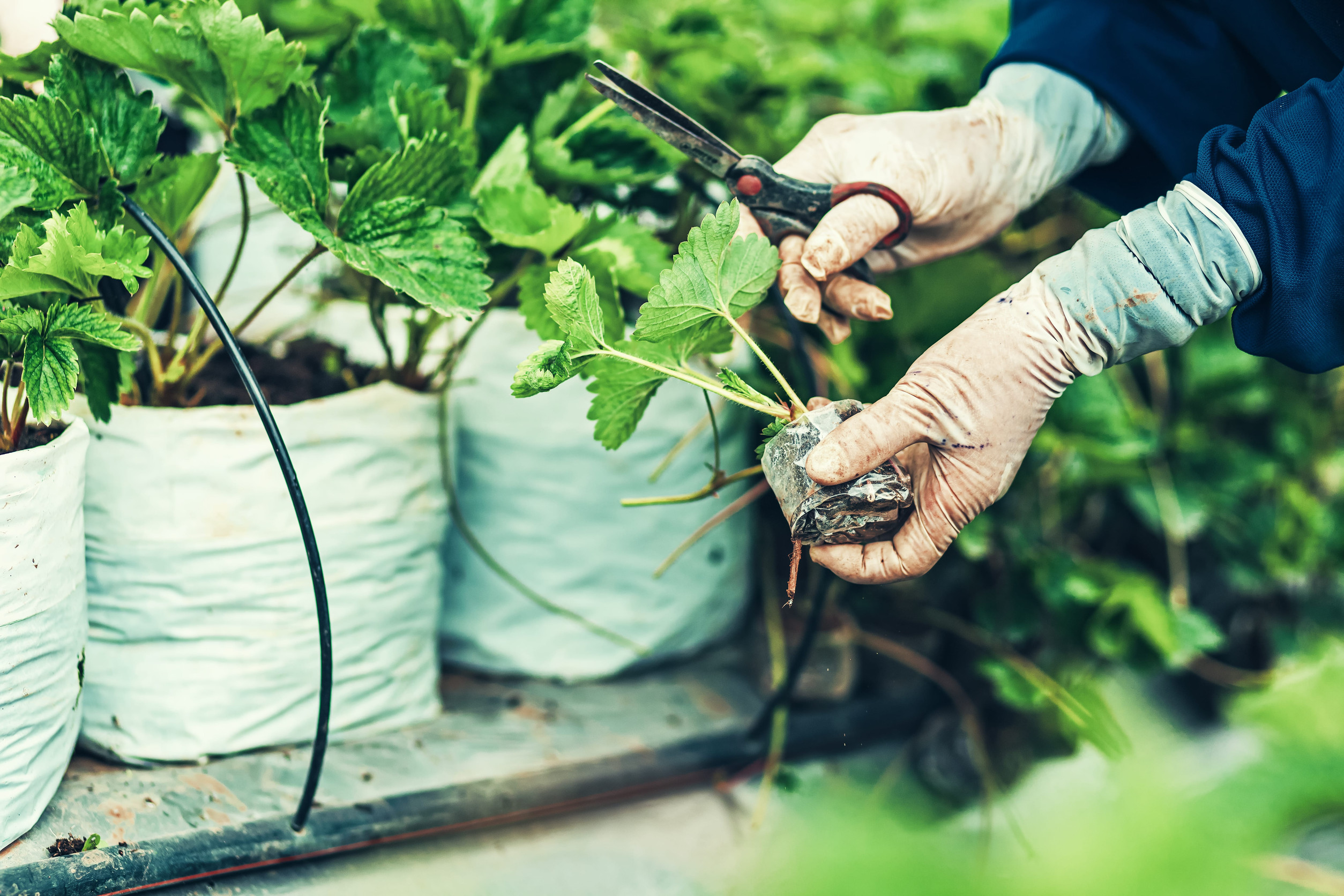
September is one of the better windows for certain planting tasks,, and letting it slip by is its own mistake.
According to the University of Minnesota Extension, September is the right time to order spring-flowering bulbs and garlic. However, planting should wait until later in the month or into October, depending on climate, since bulbs need enough time to establish roots before the ground freezes. NC State Extension adds that September is also a good time to divide and transplant spring-blooming perennials, giving them a head start before winter dormancy sets in.
Mitchell’s advice reinforces the same idea from a different angle. Rather than treating a fading September garden as a sign to stop working, she recommends using it to take inventory of gaps and fill them with fall planting before the window closes.
Related Post: 8 smart gardening hacks that can help you spend less money
The Bigger Pattern Behind These Mistakes
Most of these missteps share a common root: treating September like the end of the gardening season instead of the setup phase for the next one. Watering, pruning, and fertilizing decisions made now don’t just affect how a garden looks through fall; they directly shape how strong plants come back in spring.
As extension experts note, the payoff for getting September right isn’t visible right away. It shows up months later as a spring garden that recovers faster, blooms more reliably, and needs far less repair work than one where you skipped the fall groundwork.
Other posts you might like:
- 9 Garden Sheds That Prove Outdoor Storage Can Look Beautiful
- 8 Pretty Flowers That Can Help Support a Thriving Vegetable Garden
If you like what you just read, then subscribe to our newsletter and follow us on social media.


