



This article was originally published on Crafting Your Home. A human contributor also wrote and edited the post.
For generations, buying a home has been presented as one of the clearest signs of financial success.
But for millions of Americans, that milestone is becoming increasingly difficult to reach.
A July 2026 Pew Research Center survey found that 87% of Americans believe buying a home is harder for young adults today than it was for their parents’ generation. That figure has risen sharply from 70% in 2021. Pew Research Center
The problem isn’t just home prices. Higher borrowing costs have made mortgages more expensive, while home prices have risen faster than incomes in many parts of the country. Reuters reported in September that mortgage rates are expected to remain elevated, making a major recovery in the housing market difficult in the near term. Reuters
So what should people do if buying a house doesn’t make financial sense right now?
Rent strategically instead of buying too soon.
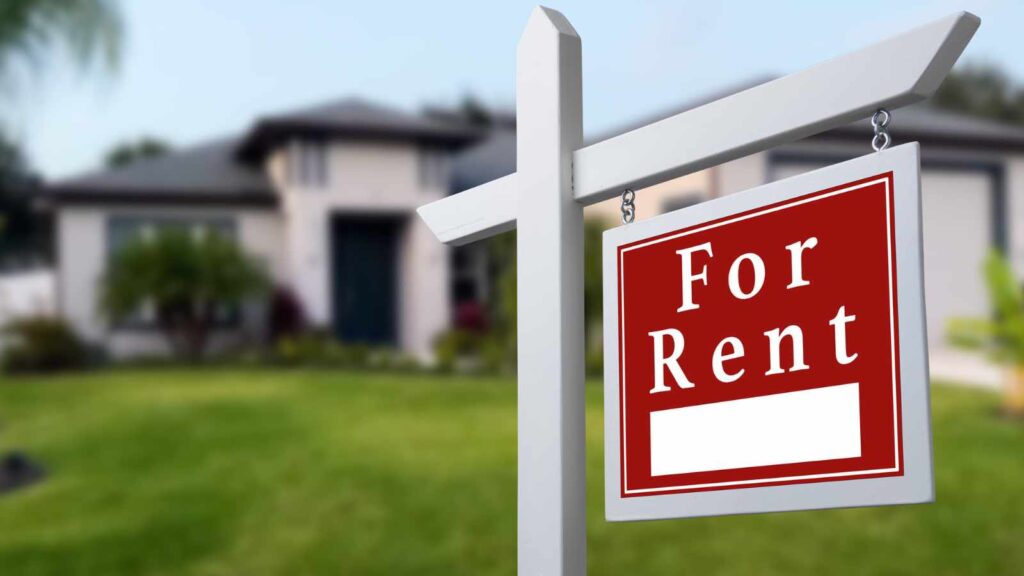
Renting is sometimes portrayed as throwing money away.
That’s an oversimplification.
Homeownership comes with costs beyond the mortgage payment, including property taxes, insurance, maintenance, repairs, and other expenses. Renting can provide flexibility and leave more money available for saving and investing.
For someone who would have to drain their savings to make a down payment, renting provides greater financial stability.
The key is to avoid turning renting into an excuse to stop building wealth.
If you’re renting, consider automatically directing part of the money you would otherwise put toward homeownership into savings or investments.
Invest while you wait.
One of the biggest mistakes people can make is believing there are only two choices:
Buy a house or do nothing.
A third option exists: build wealth while you wait.
Someone who isn’t ready to buy can keep building an emergency fund, contributing to retirement accounts, and investing based on their financial situation and risk tolerance.
Reuters recently highlighted young Americans who are deliberately renting while investing money that might otherwise have gone toward a home purchase. Reuters
This strategy doesn’t guarantee that investments will outperform housing. Markets can fall, and investing carries risk.
But it demonstrates an important point: not owning a home doesn’t automatically mean you’re standing still financially.
Consider a less expensive location.

Remote and hybrid work have changed where some Americans can live.
If your job allows it, moving away from an expensive metropolitan area could dramatically change your housing budget.
That doesn’t necessarily mean moving across the country. Even choosing a less expensive suburb, smaller city, or neighboring county can make a meaningful difference.
But don’t compare only home prices.
Before moving, investigate property taxes, insurance, commuting costs, utilities, wages, schools, and the overall cost of living.
A $100,000 cheaper house isn’t necessarily a bargain if the new location creates $20,000 in additional annual expenses.
Buy a smaller home than you originally imagined
The dream home can become the financial trap.
A buyer who stretches their budget for the extra bedroom, huge kitchen, large yard,, and perfect neighborhood may find little money left for anything else.
Instead, consider buying the smallest property that comfortably meets your needs.
A smaller home can mean a smaller mortgage, lower utility bills, and potentially lower maintenance costs.
You can always upgrade later.
It is much harder to undo a financial commitment that has consumed most of your monthly income.
Related: Boomers Keep Upsizing While Younger Americans Struggle to Buy Homes
Explore condos, townhouses, and other alternatives
A detached suburban house isn’t the only form of homeownership.
Condos, townhouses, and other smaller properties may offer a lower entry price in some markets.
However, buyers need to look beyond the sticker price.
A condo, for example, may come with homeowners association fees and rules. Include those costs when calculating whether the property is genuinely affordable.
The right question isn’t:
“Can I qualify for this mortgage?”
It’s:
“Can I comfortably afford this property while still saving for emergencies and the future?”
Don’t rush because you’re afraid you’ll “miss the market”

Housing markets move in cycles.
When prices or mortgage rates dominate the news, prospective buyers can feel enormous pressure to act immediately.
But buying a house primarily because you’re afraid prices will rise further can lead to poor decisions.
If purchasing would leave you with almost no savings, make your