

The post What Experienced Gardeners Are Quietly Doing in September to Set Up a Better Spring first appeared on Crafting Your Home.
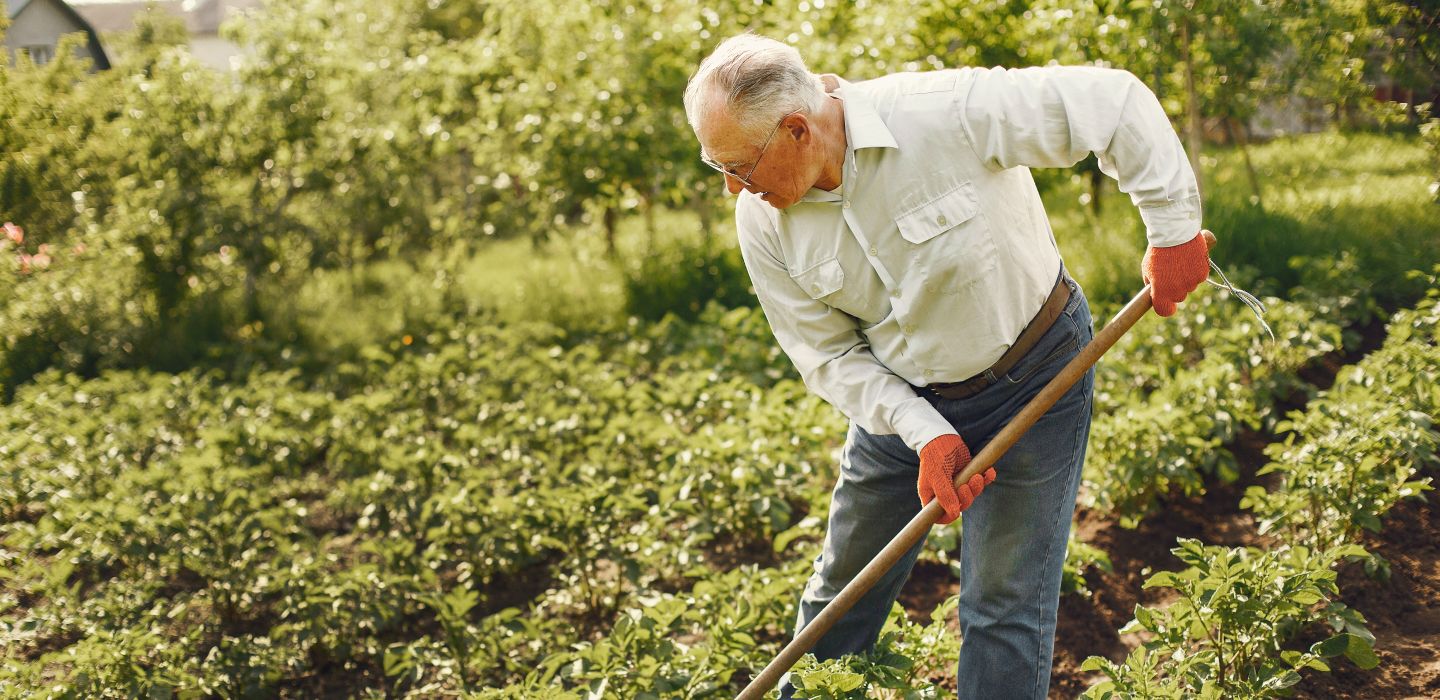
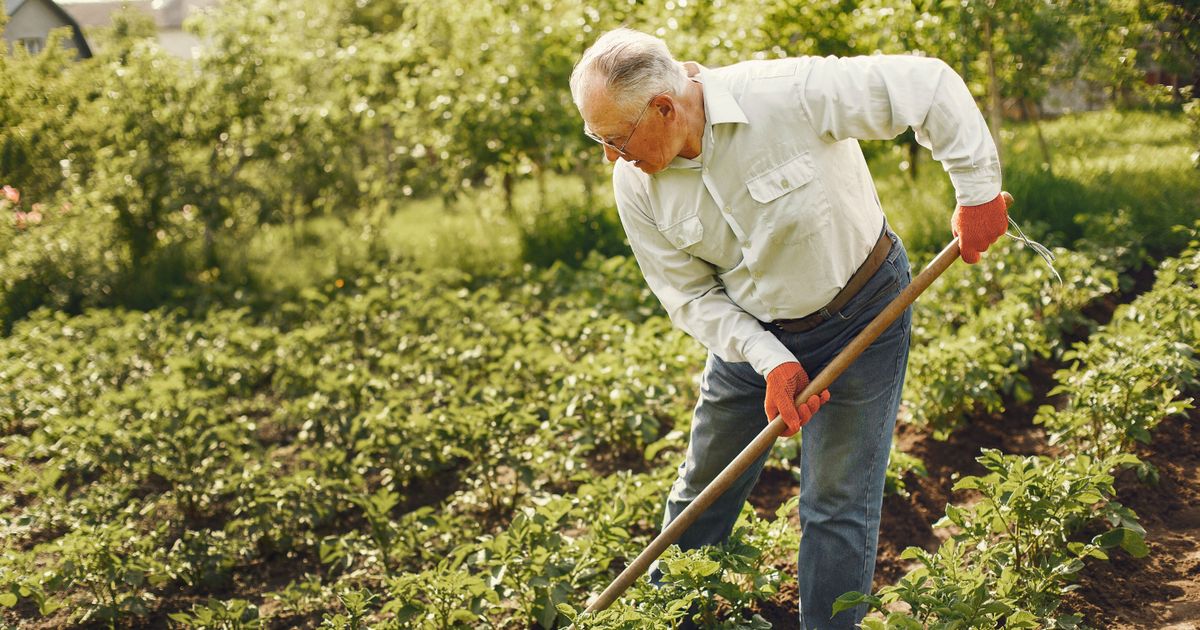
While everyone else is mourning the end of summer, experienced gardeners are doing something completely different: getting to work. According to longtime growers, September isn’t a wind-down month at all. It’s one of the most important windows of the entire year.
Here’s what seasoned gardeners are actually prioritizing this month, and why they say the payoff won’t show up until spring.
Dig Up, Divide, and Reset Your Bulbs Now
If there’s one task experienced gardeners never skip in September, it’s dividing overcrowded spring bloomers before they get any more crowded.
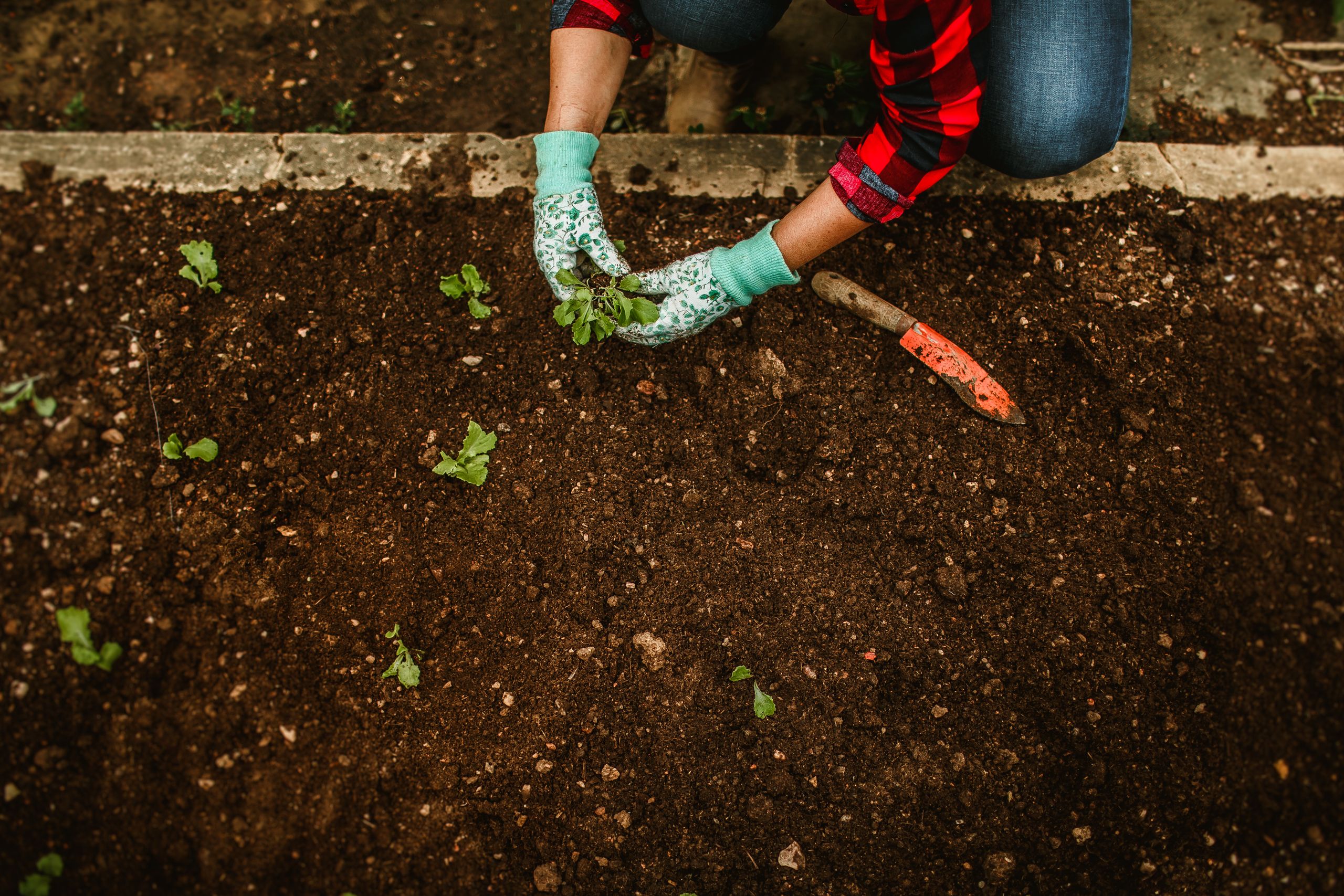
Gary Crispell, an NC State Extension Master Gardener volunteer in Durham County who writes as “The Accidental Cottage Gardener,” puts it about as plainly as you can. “Dig up spring-flowering bulbs and tubers and rhizomes and divide them,” Crispell writes. “Daffodils really like the attention as do irises and daylilies. The reward you get in the spring will more than compensate for having to get your nails done again.” It’s not a glamorous job, dirt under your fingernails included, but according to Crispell, the difference shows up unmistakably a few months later, when what used to be one crowded, struggling clump of blooms becomes several healthy new plantings.
While you’re already elbow-deep in the beds, this is also the moment to order and finish planting fresh spring bulbs. According to gardening resource Home Garden Joy, September is the deadline to order daffodils, tulips, crocus, and other spring bloomers and get them into the ground before the soil turns unworkable. Experienced gardeners tend to treat this as non-negotiable, since bulbs planted late, or not at all, don’t show up the following spring no matter how good the rest of the garden looks.
Related: 7 Ways to Finally Get Your Front Garden Under Control
Give the Lawn the Attention It’s Been Waiting For All Summer
Ask any experienced gardener about lawns in September, and you’ll hear some version of the same idea: this is the month that actually determines how the lawn looks next year, not spring.
According to Mike, the resident garden expert at Mahoney’s Garden Center, known to regulars as “Uncle Mike,” September’s cooler days combined with still-warm soil create near-ideal conditions for lawn repair. “Fall is for planting, and September is one of the best months to put that advice into action,” he explains, noting that this window is also excellent for dividing and transplanting other established plants throughout the yard.
Fertilizing also requires a slightly different mindset than beginners might expect. Rather than pushing for lush, fast top growth, Uncle Mike recommends fall feeding aimed specifically at root development and winter resilience. “More fertilizer isn’t better,” he cautions. “Follow the label rates and choose a fertilizer formulated for the season rather than trying to force rapid green growth as your lawn approaches dormancy.” The goal isn’t a lawn that looks its best in October; it’s a lawn with a strong enough root system to bounce back fast once spring actually arrives.
Related Post: 8 smart gardening hacks that can help you spend less money
Clear Out the Old to Make Room for the New
Experienced gardeners also treat September as cleanup month, but not in a rushed, “get it over with” sense. It’s deliberate groundwork.
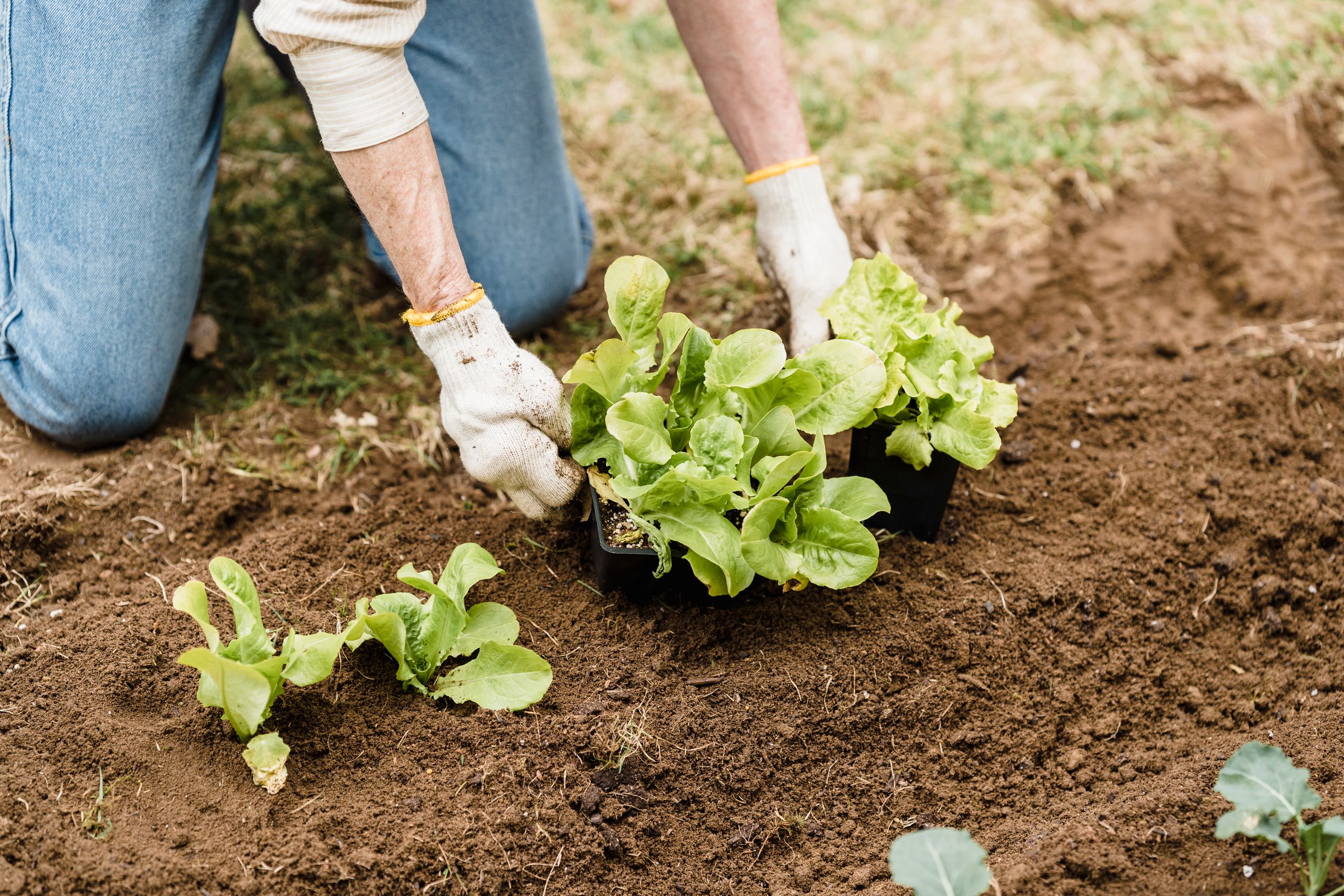
According to Home Garden Joy, once summer vegetables have finished producing, it’s time to pull the spent plants, shake the soil back into the bed, and either compost the plant material or dispose of it, especially if there’s any sign of disease. That compost pile isn’t done working for the year either. Experienced gardeners typically give it one final turn before the weather cools further, keeping the decomposition process active a little longer before winter slows everything down.
Once the beds are cleared, mulch becomes the priority. According to Home Garden Joy, placing a fresh layer of mulch around plants helps prevent heaving, the freeze-thaw cycle that can literally push shallow-rooted plants up and out of the soil over winter, while also helping retain moisture right where roots can still access it. It’s an easy step to skip, but experienced growers say it’s often the difference between plants that sail through winter and plants that struggle to recover once spring finally shows up.
A common thread runs through everything experienced gardeners prioritize this month, and it’s not really about any single task. It’s about timing. Bulbs divided in September have months to reestablish roots before bloom season. Lawns fed and aerated now build root strength while the soil is still warm enough to support it. Beds cleared and mulched properly protect next year’s growth before winter even arrives. None of it delivers an immediate payoff, which is exactly why so many casual gardeners skip it. But according to the people who’ve been doing this for years, September’s quiet, unglamorous work is precisely what makes next spring’s garden look effortless.
Other posts you might like:
- 9 Garden Sheds That Prove Outdoor Storage Can Look Beautiful
- 8 Pretty Flowers That Can Help Support a Thriving Vegetable Garden
If you like what you just read, then subscribe to our newsletter and follow us on social media.


