


This article was originally published on Crafting Your Home. A human contributor also wrote and edited the post.
In modern homes, design is no longer only about appearance. People increasingly want spaces that support relaxation, productivity, and overall well-being. One of the simplest ways homeowners are transforming their interiors is by adding indoor plants.
Houseplants have moved beyond decoration. Today, they are recognised as key elements of biophilic design, a concept that brings natural features indoors to create healthier, more balanced spaces.
Indoor Plants and Mental Well-Being
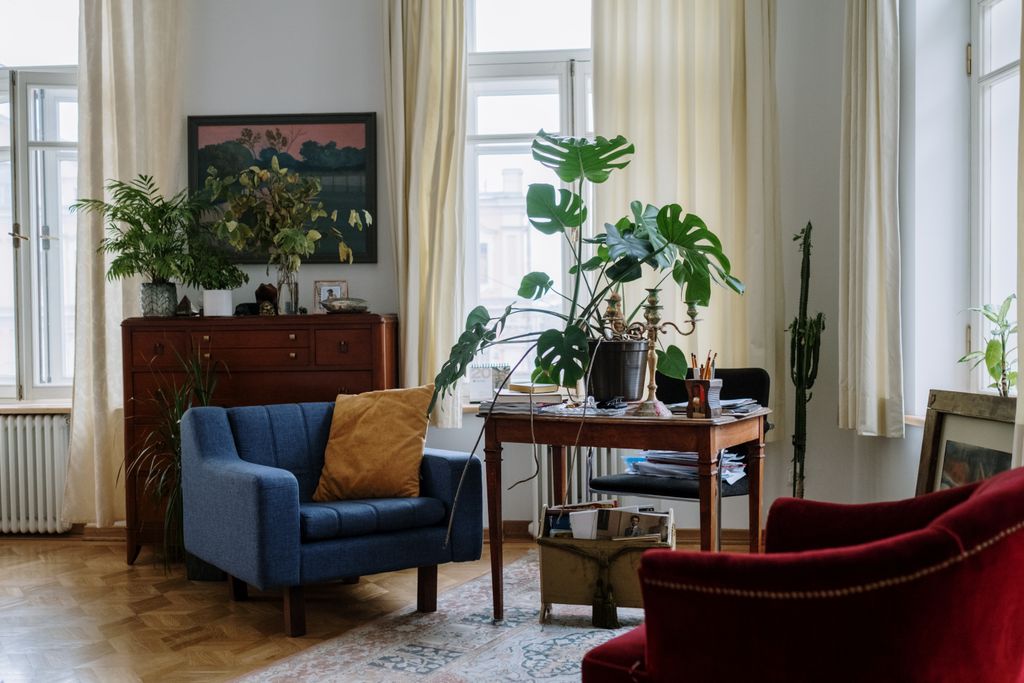
One of the biggest reasons people bring plants into their homes is their positive effect on mood and emotional health. Research suggests that indoor greenery can create a calmer atmosphere and reduce stress.
Surrounding yourself with plants creates a visual connection to nature, which can make indoor spaces feel more comfortable and relaxing. The simple act of caring for plants can also become a mindful routine that encourages people to slow down and enjoy small daily moments.
Creating Healthier Indoor Spaces
Indoor air quality has become a major concern as people spend more time in their homes and offices. Plants naturally interact with their surroundings through photosynthesis and moisture exchange, helping create a fresher indoor environment.
The popular NASA Clean Air Study introduced the idea that houseplants could remove certain pollutants from indoor air. However, later research has shown that plants alone cannot replace proper ventilation or air filtration systems in normal homes.
Even so, plants can contribute to a healthier atmosphere by adding natural elements, improving freshness, and making indoor environments more pleasant.
Related:Your Houseplant Looks Perfectly Fine, But It Might Already Be in Trouble
The Role of Plants in Modern Interior Design

Indoor plants have become major trend in contemporary home design. Designers use greenery to add color, texture, and personality to rooms while strengthening the connection between indoor spaces and nature.
A large plant can transform an empty corner into a focal point, while smaller plants placed on shelves, tables, and windowsills can bring warmth and character to a room. Unlike traditional decorations, plants keep growing and changing, giving interiors a sense of movement and life.
Supporting Productivity in Home Offices
The growth of remote work has changed how people design their workspaces. Home offices are now being created with comfort and creativity in mind, and plants have become a popular addition.
Studies on workplace environments suggest that natural elements such as indoor plants can improve how people perceive their surroundings and may support focus and positive emotions. A small plant near a desk can make a workspace feel more inviting and less stressful.
