
The post Goodbye Showroom Homes: Why “Lived-In” Spaces Are Becoming the New Definition of Beautiful first appeared on Crafting Your Home
For years, the dream home looked almost untouched. Picture-perfect living rooms with perfectly arranged pillows, empty countertops, matching furniture sets, and carefully styled shelves dominated magazines and social media feeds. But a new design philosophy is taking over: less about creating a home that looks like nobody lives there and more about creating a space that feels welcoming, personal, and full of life.
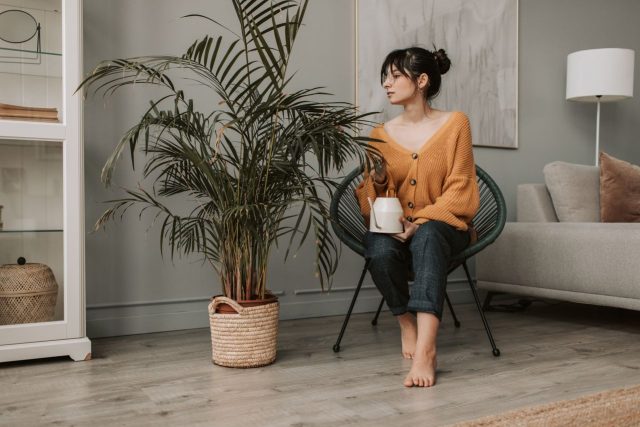
The “lived-in” home trend is challenging the idea that beauty comes from perfection. Instead, homeowners and designers are embracing rooms with personality, spaces that include books someone actually reads, furniture with history, family photographs, collected artwork, and comfortable pieces that invite people to sit down and stay awhile.
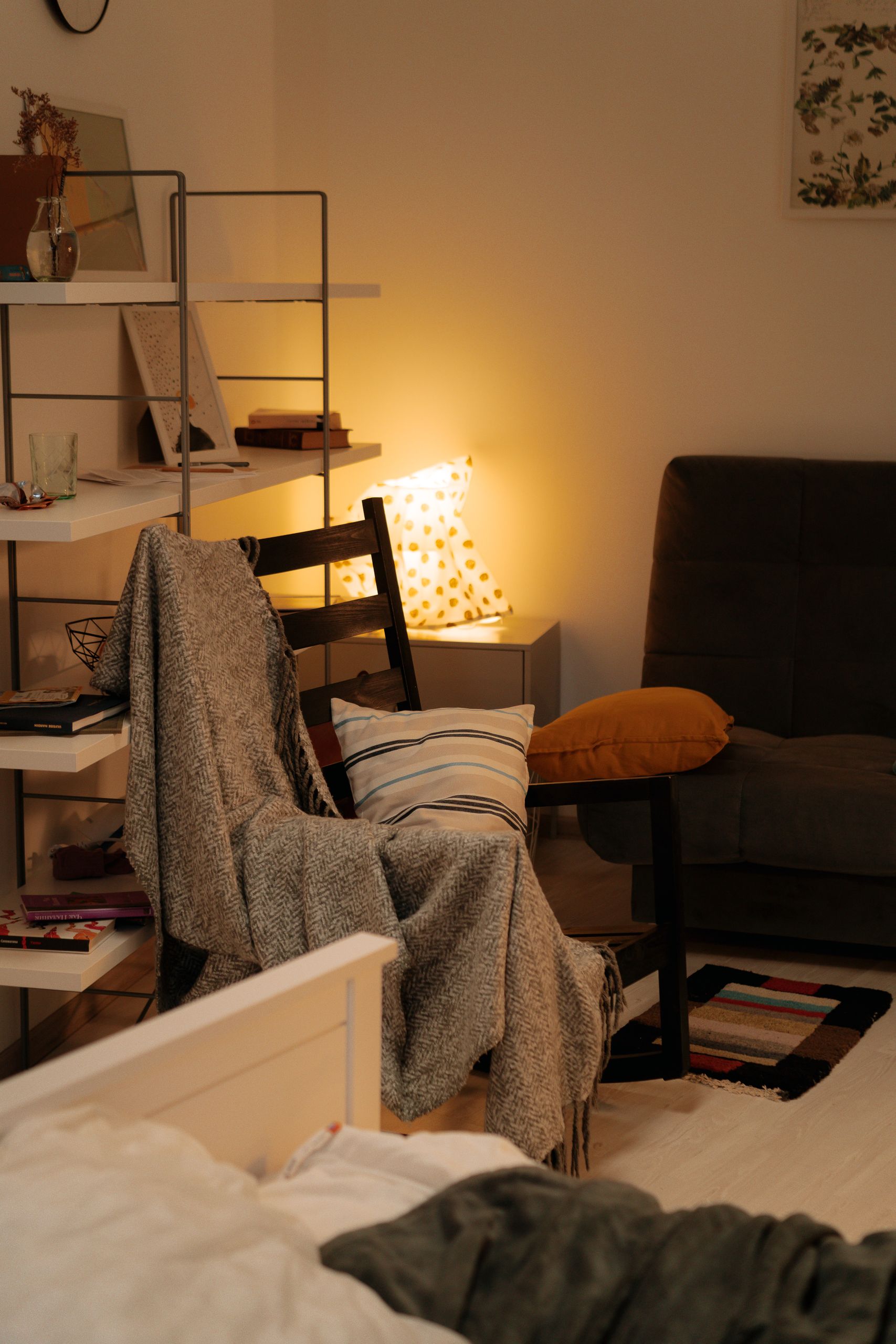
This shift does not mean homes are becoming messy or careless. The difference is intention. A lived-in home is still thoughtfully designed, but it makes room for real life. A blanket casually placed on a chair, a kitchen that looks used, or a shelf filled with meaningful objects can add warmth that a perfectly staged room often lacks.
Interior designers say many homeowners are moving away from spaces that feel like hotel lobbies or furniture catalogs. Instead, they want homes that tell stories and reflect the people who live inside them. The focus is no longer just on how a room photographs but on how it feels when someone walks through the door.
The End of the “Nobody Lives Here” Look
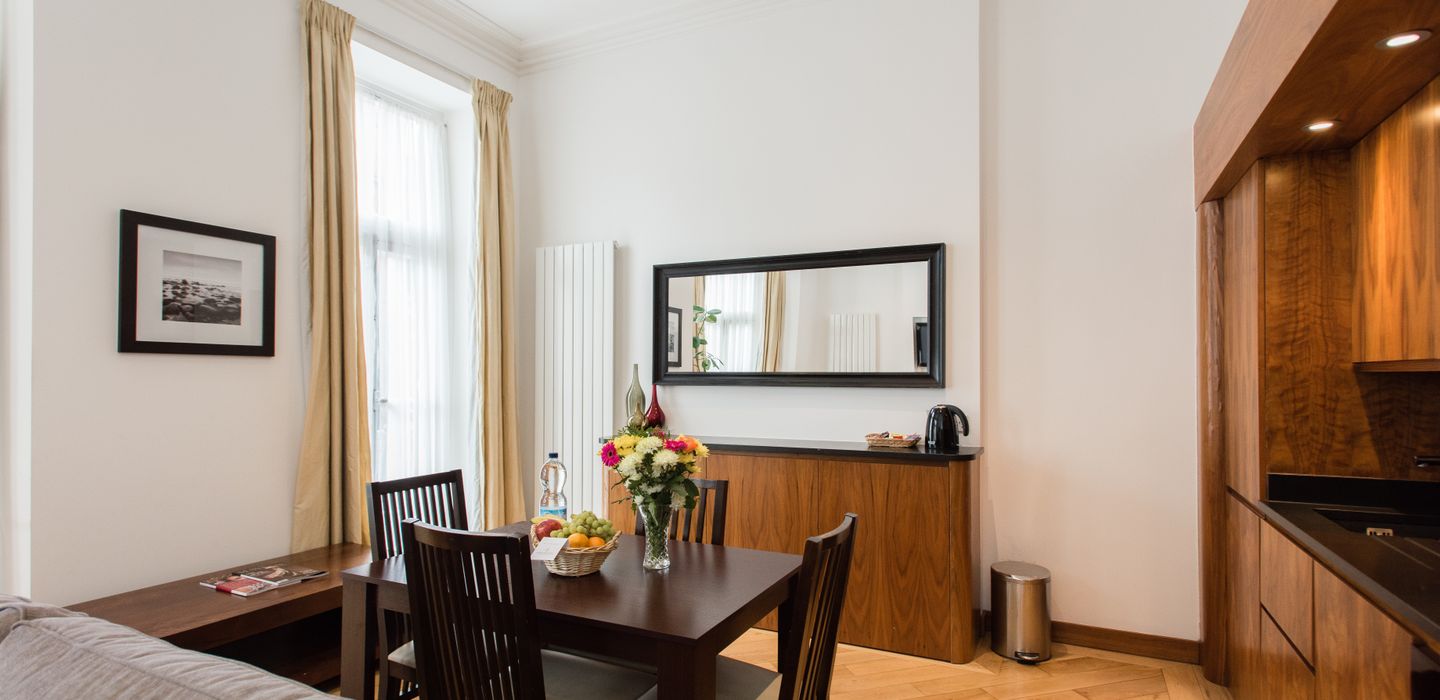
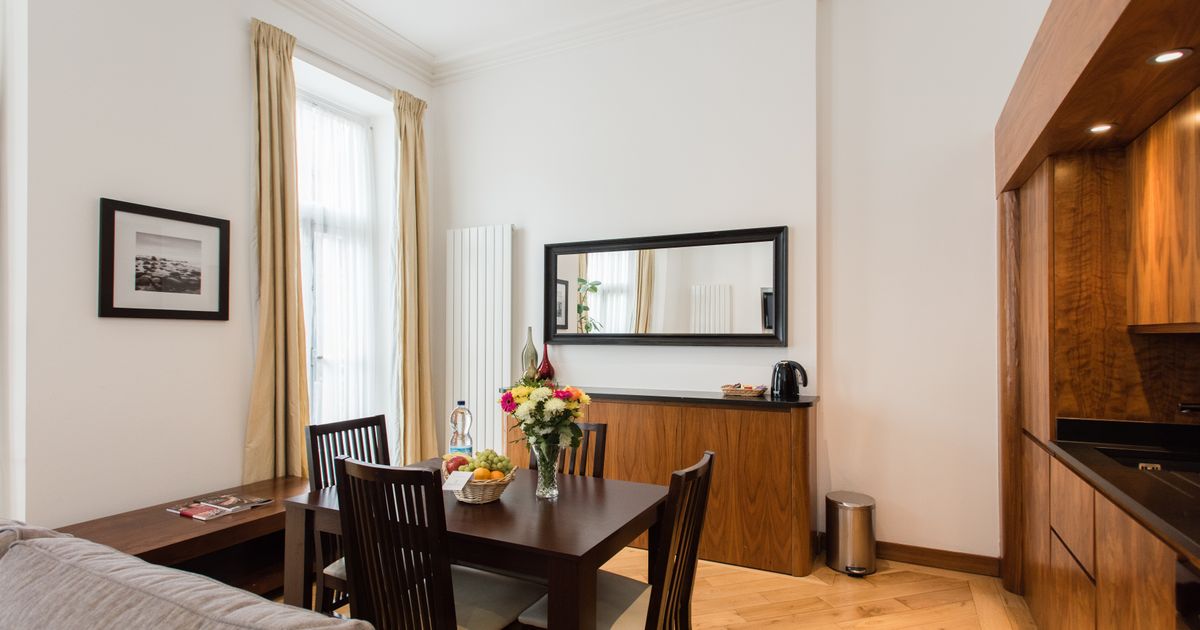
The perfectly styled room had a long moment in the spotlight. Minimal spaces, matching furniture collections, and carefully coordinated color schemes became popular because they created order and sophistication. However, many designers now say that overly controlled spaces can sometimes feel disconnected from the people who occupy them.
One reason the lived-in style is gaining attention is that homeowners want their spaces to feel authentic. A room filled only with trendy items may look impressive at first glance, but it may not communicate anything about the person who lives there. Personal objects, vintage finds, and sentimental pieces often bring a deeper sense of character.
Design experts have increasingly emphasized individuality over following a strict formula. Instead of buying every piece from one collection, many homeowners are mixing styles, eras, and materials to create rooms that feel collected over time.
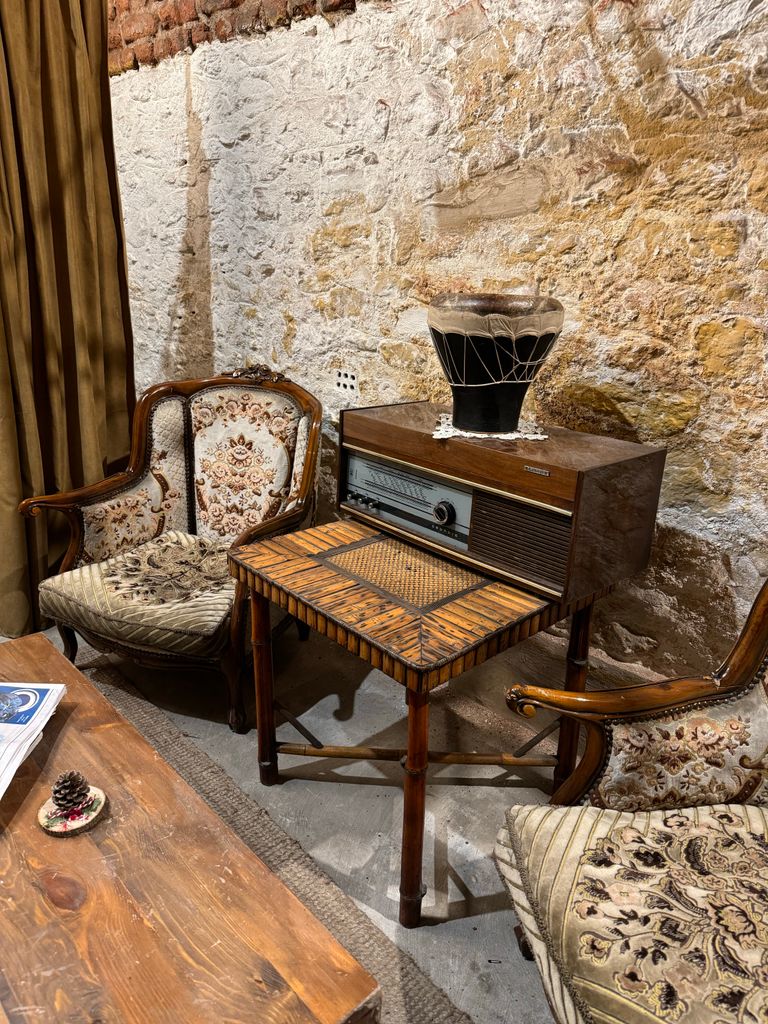
This approach also reflects a growing appreciation for items that have stories behind them. An old wooden table passed down through a family, artwork discovered during travel, or a secondhand chair with unique details can become more meaningful than a brand-new piece chosen only because it matches a trend.
Interior designer Lily Walters has encouraged homeowners to embrace personality in their spaces, arguing that homes should reflect the people inside them rather than simply copy popular design images. Her advice centers on adding unexpected, personal elements that create a sense of identity.
The result is a style that feels less like a display room and more like a place where memories are created.
What a “Lived-In” Home Actually Looks Like
A lived-in home does not have a single color palette or furniture style. It is less about a specific look and more about a feeling. These spaces often include layered textures, comfortable seating, natural materials, and objects with personal meaning.
One major feature is using materials that age well. Wood, linen, wool, stone, ceramics, and vintage pieces are becoming popular because they add warmth and character. Designers point to natural materials and layered textures as key to creating spaces that feel comfortable rather than overly polished.
Lighting also plays an important role. Instead of relying only on bright overhead fixtures, many lived-in spaces use lamps, warm lighting, and softer illumination to create a relaxed atmosphere. The goal is to make rooms feel inviting at different times of the day.
Bookshelves show this shift, too. A shelf filled with books, photographs, travel souvenirs, and objects collected over time tells a story. It shows that the room belongs to someone, rather than appearing as if it was arranged only for a photograph.
Furniture choices are changing as well. Rather than purchasing complete matching sets, homeowners are mixing pieces with different finishes and backgrounds. A modern sofa paired with an antique side table or a contemporary lamp beside a vintage chair can create visual interest.
Designer Nadia Watts and other experts have noted that timeless interiors often rely on quality materials, thoughtful choices, and meaningful items rather than simply following every new trend.
The message is clear: a beautiful home does not need to look untouched. It needs to feel like it belongs to someone.
Why People Are Choosing Comfort Over Perfection
The rise of the lived-in home reflects a bigger change in how people think about their living spaces. After years of focusing heavily on appearances, many homeowners are prioritizing comfort, function, and emotional connection.
A home is where people relax after long days, gather with family, entertain friends, and create memories. A space that looks too perfect can sometimes feel difficult to enjoy because people may worry about disturbing the arrangement.
The lived-in approach removes that pressure. It allows people to decorate with real life in mind. Sofas can be comfortable, not just stylish. Dining tables can be used daily instead of saved for special occasions. Kitchens can show signs of cooking instead of remaining untouched.
This does not mean abandoning good design. In fact, many experts argue that thoughtful design becomes even more important when the goal is creating a home that functions well. The difference is that beauty is measured by how a space supports everyday life, not just how it appears in a photograph.
Related:5 Ultimate Guide to Valentine’s Day Table Decorations
The trend also connects with growing interest in sustainability and buying fewer but better items. Instead of constantly replacing furniture to keep up with trends, many homeowners are choosing pieces they can live with for years. Vintage and secondhand items are often valued because they bring uniqueness and reduce the feeling of mass-produced design.
Ultimately, the lived-in home represents a return to the idea that houses are meant to be experienced, not simply admired. The best rooms are not necessarily the ones where everything is perfectly arranged at all times. They are the ones where people feel comfortable enough to relax, laugh, gather, and make memories.
The new luxury is not perfection. It is personality. It is warmth. And it is a home that looks like someone truly lives there.