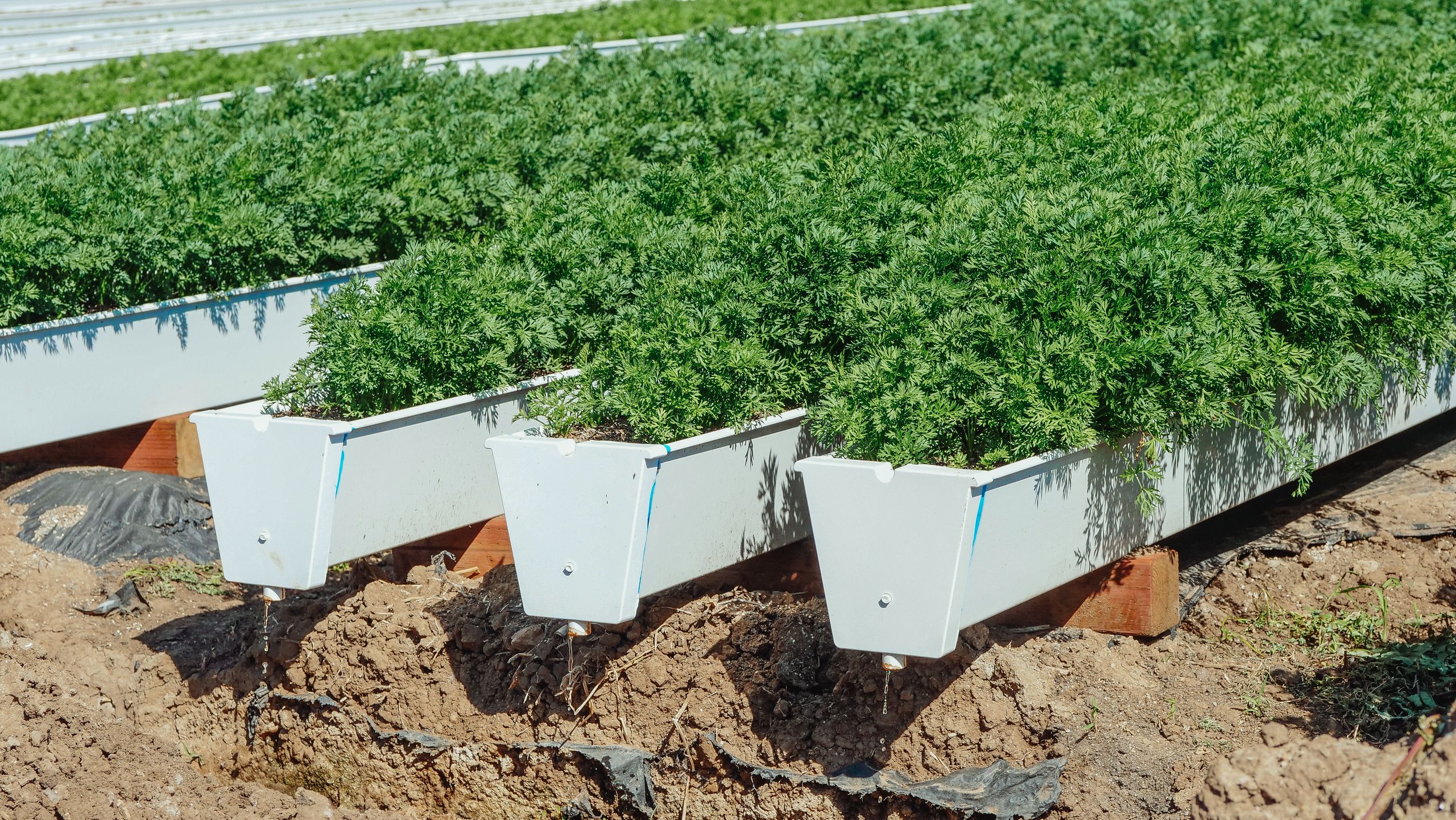
A garden upgrade does not always require a large yard.
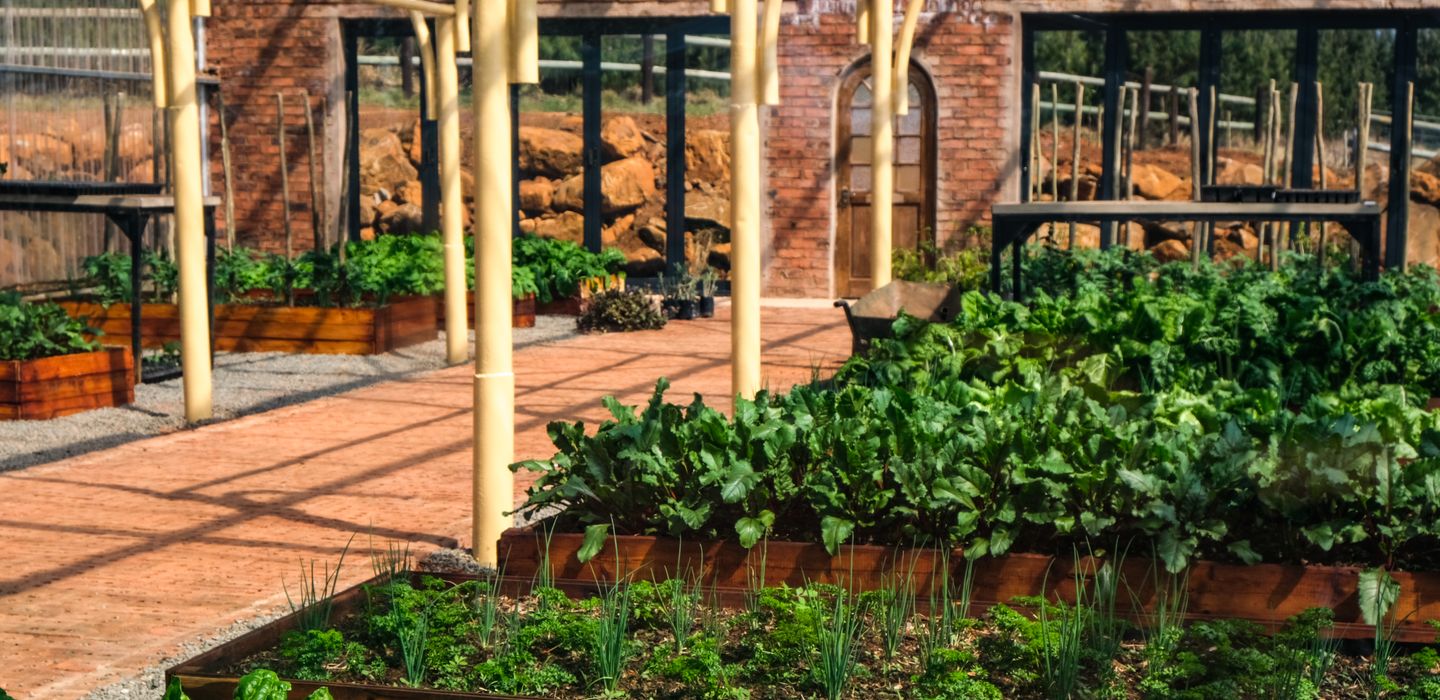
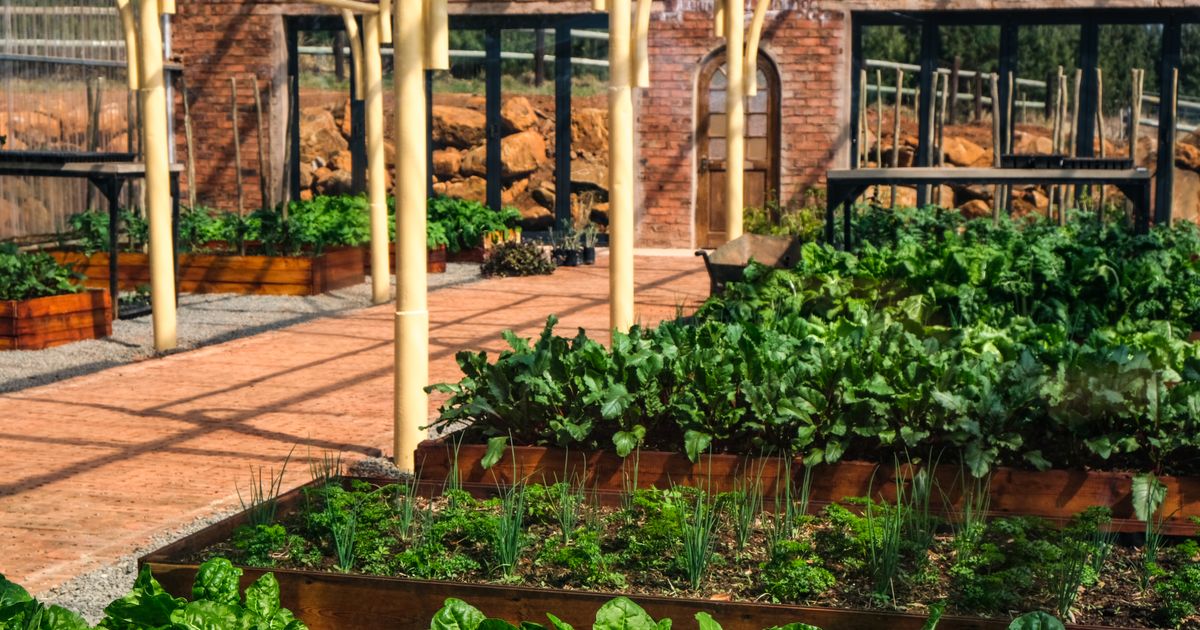
Raised garden beds are giving homeowners and gardeners new ways to organize growing spaces, from compact areas to more structured outdoor layouts. With different designs available, raised beds can suit vegetables, flowers, and a variety of gardening goals.
Home gardeners are currently focusing on six raised bed ideas that add structure to planting areas while creating spaces that are easier to plan and manage.
Why raised beds are gaining attention
For many everyday gardeners, space and organization are key to creating a productive outdoor area. Raised beds help define growing areas and create a clear plant layout.
Extension gardening resources guide on planning and creating raised bed planters, as well as exploring different approaches to raised bed gardening. These ideas show how raised beds can be designed in different ways depending on the gardener’s needs and available space.
From vertical designs to traditional layouts, these six ideas offer inspiration for anyone planning a garden update.
A trellis-backed “vertical harvest” bed
Image credit:Quang Nguyen Vinh/pexels
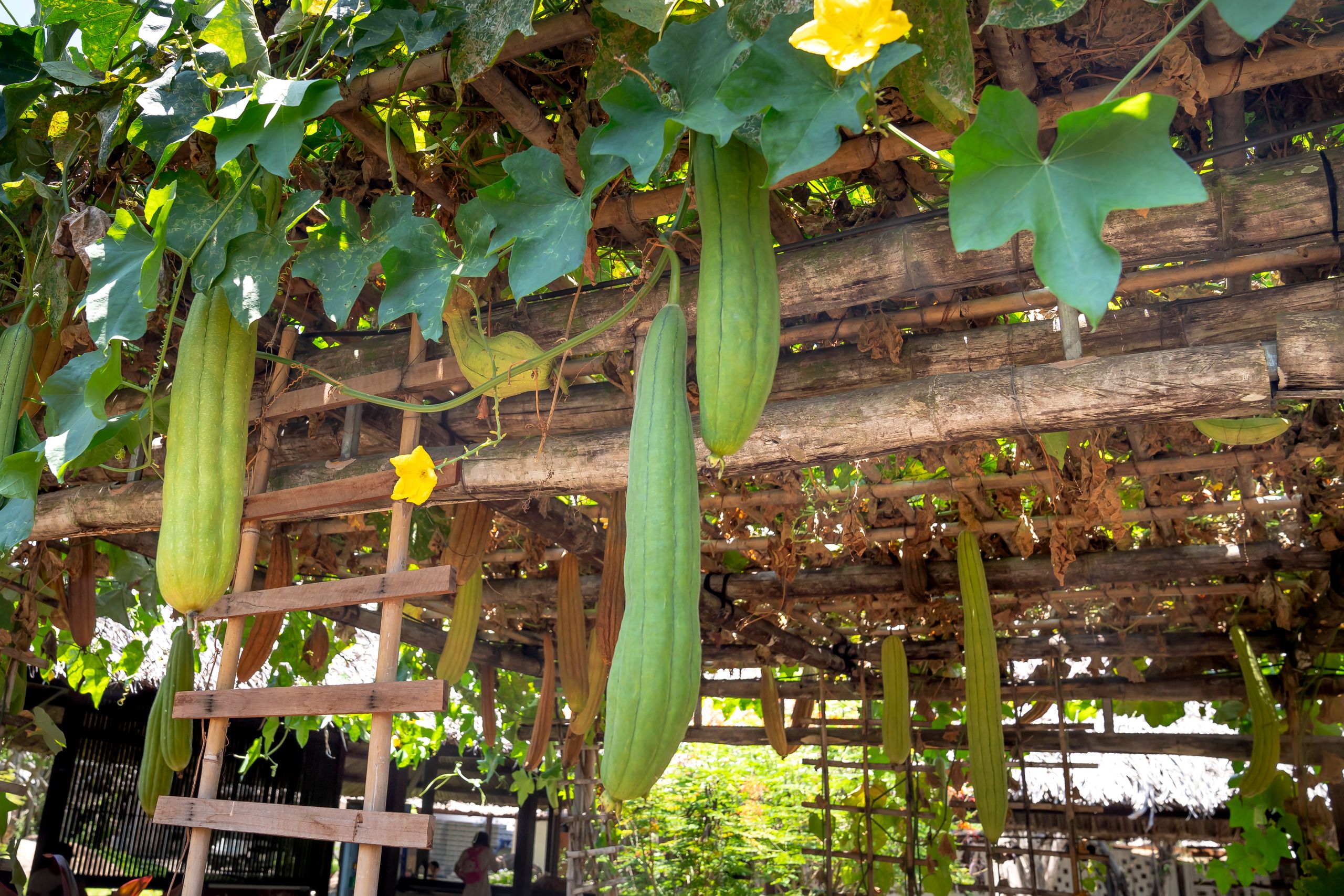
A raised bed with a trellis adds another dimension to the garden space.
This design combines a planting area with a vertical structure, creating a setup that uses more than just the ground level. For gardeners looking to organize plants differently, a trellis-backed bed adds height to the garden design.
A kitchen-garden bed with flowers tucked in
A raised bed does not have to focus on only one type of plant.
A kitchen-garden design can combine vegetable growing areas with flowers placed throughout the space. This approach creates a mixed planting area where different types of plants share the same garden layout.
For gardeners who enjoy both flowers and edible plants, this style brings them together in one organized bed.
A square-foot grid for small spaces
Image credit:Natalia Sevruk/pexels
Small outdoor areas can still have room for creative gardening.
A square-foot grid design creates a structured layout within a raised bed. By dividing the growing space into sections, gardeners can plan where different plants will go and make the most of a smaller area.
This design can be especially useful for people looking to create an organized garden in a limited space.
A deeper, accessible planter bed
Some raised beds are designed with additional depth and accessibility in mind.
A deeper planter bed creates a different type of gardening space compared with a standard raised bed. Consider its design when planning a garden layout that fits specific needs.
As with any raised bed project, planning the design before building or planting can help gardeners create a space that works for them.
A pollinator-and-cut-flower “productive border” bed
Image credit:David Atkins/pexels
Flowers can play a central role in raised bed designs.
A pollinator-and-cut-flower border bed creates a dedicated flower-growing area while adding structure to the garden. This type of raised bed combines growing flowers with a defined outdoor border.
For gardeners interested in flower-focused spaces, this layout provides another option to consider.
The classic 4-by-8 vegetable bed
The traditional raised vegetable bed remains a familiar choice for many gardeners.
A 4-by-8 vegetable bed provides a defined rectangular growing area that’s easy to plan and organize. Its classic shape makes it a recognizable option for those creating a straightforward vegetable garden layout.
This design remains a starting point for many raised bed gardening plans.
Planning the next garden project
Image credit:Kindel Media/pexels
Creating a raised bed begins with considering the available space and the type of garden you want to build.
Some gardeners may prefer a design that adds height, while others may want a layout focused on vegetables, flowers, or a combination of both. The right choice depends on the gardener’s goals and the space being used.
For local readers considering a garden refresh, the next step is to review available outdoor areas, explore different raised bed designs, and choose a layout that fits their plans.
Whether the goal is a compact planting area or a more structured garden feature, raised beds provide a range of designs to explore.