


The post 9 Home Decor Secrets Designers Use to Make Any Room Look More Expensive Than It Really Is first appeared on Crafting Your Home.
A room doesn’t need a luxury budget to feel luxurious. Often, the difference between a space that feels ordinary and one that looks professionally designed comes down to small but intentional choices: how furniture is arranged, how lighting is layered, and whether every item in the room has a purpose. Interior designers often emphasize that a high-end look is less about filling a room with expensive objects and more about creating balance, proportion, and personality.
The good news is that many changes that make a room feel more elevated don’t require a complete renovation. A better lamp placement, a properly sized rug, carefully chosen artwork, or a more thoughtful mix of textures can completely change how a space feels. Designers frequently point to lighting, scale, and restraint as some of the biggest factors separating a polished room from one that feels unfinished.
Here are nine decor choices that can help create that expensive-looking atmosphere without making your home feel like a showroom.
Layer Your Lighting Instead of Depending on One Ceiling Fixture
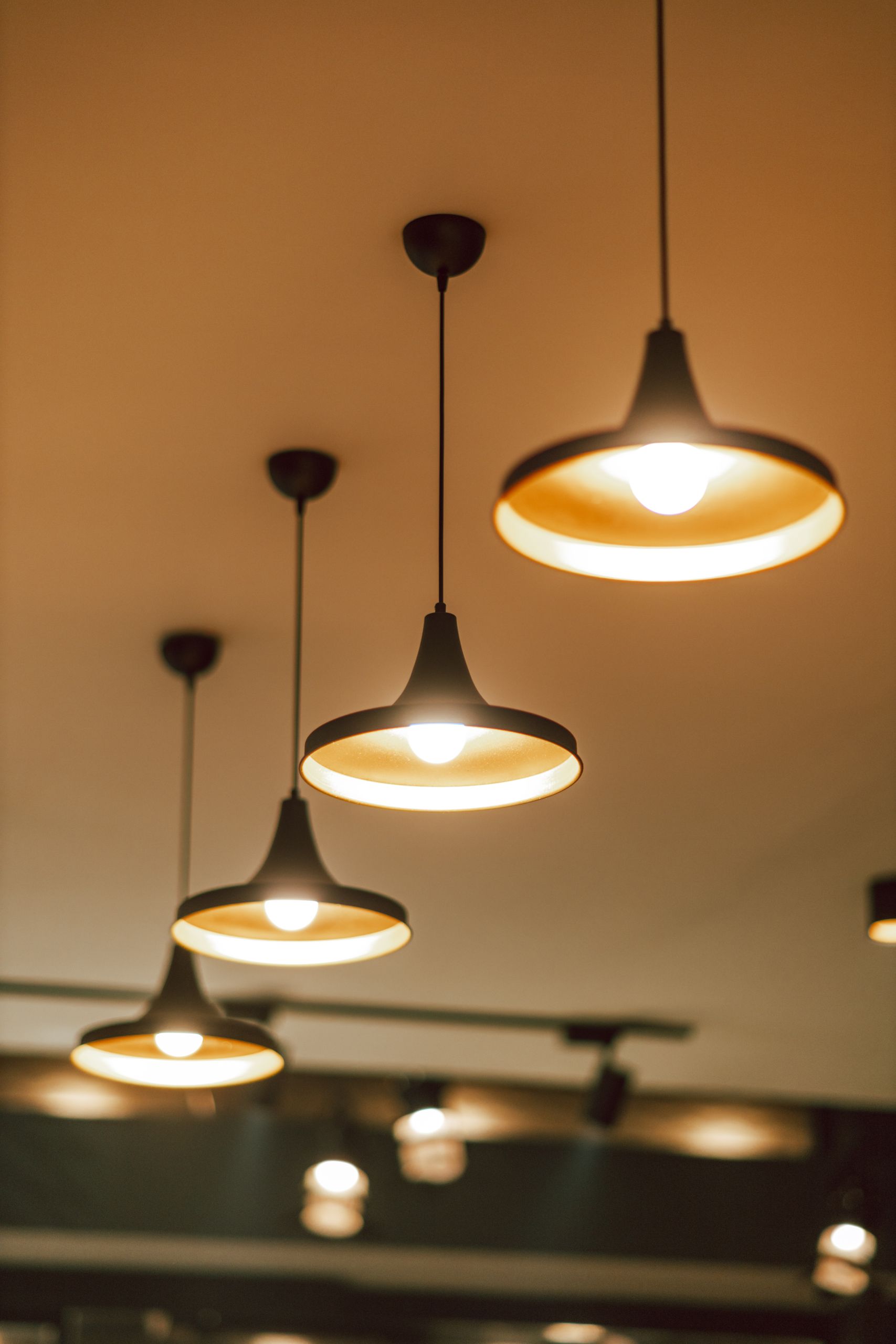
One of the fastest ways to make a room feel more sophisticated is to rethink the lighting. Many homes rely almost entirely on a single overhead light, but designers often recommend combining different light sources to create depth and warmth. A ceiling fixture can provide general lighting, while table lamps, floor lamps, wall lights, and accent lighting help create a more comfortable atmosphere.
Interior designer Avery Carter described lighting as “the jewelry of a home,” explaining that beautiful spaces often rely on layers of light rather than one single source. The idea is simple: lighting should not only brighten a room; it should also highlight textures, furniture, and architectural details.
A well-lit room feels more intentional because different areas have their own visual focus. A reading corner with a lamp, artwork highlighted by accent lighting, or a warm glow around a seating area can make even simple furniture appear more carefully chosen.
Instead of immediately replacing expensive furniture, many homeowners can create a more refined look by improving how they light their existing space. The right lighting arrangement can make colors appear richer and help a room feel calmer and more inviting.
Choose Larger, More Intentional Artwork
Small decorations scattered across walls can sometimes make a room feel disconnected, while larger artwork can create a stronger focal point. Designers often recommend choosing pieces that match the scale of the wall and furniture, rather than filling every empty space with small frames.
A large painting, oversized photograph, or carefully arranged gallery wall can give a room a more collected appearance. The goal isn’t necessarily to spend a fortune on original art, but to choose pieces that add personality and make the space feel intentional.
According to designers, artwork should generally relate to the furniture beneath it and be placed at a comfortable viewing height rather than floating too high on the wall. This small adjustment can make a room feel more balanced.
A thoughtfully chosen piece of art also tells a story about the people living in the home. Instead of copying a showroom display, expensive-looking rooms often reflect personal taste through meaningful objects, unique finds, and carefully selected artwork.
Upgrade Your Curtains and Window Treatments
Window treatments are often overlooked, but they can dramatically affect how finished a room appears. Designers often recommend curtains that extend toward the floor because they create a more polished, complete look.
Curtains that stop awkwardly above the floor or barely cover the window can make a room feel less intentional. By contrast, properly sized window treatments can add softness, height, and texture.
The fabric choice also matters. Heavier materials, natural textures, and simple designs can create a more sophisticated appearance without overwhelming the room. Neutral colors often work well because they allow furniture, artwork, and accessories to stand out.
This does not mean every home needs expensive custom curtains. Even affordable options can look more refined when they are installed correctly and chosen to complement the room’s overall design.
Use Rugs That Actually Fit the Space
A properly sized rug can completely change a room’s feel. One common design mistake is choosing rugs that are too small, which can make furniture look disconnected instead of creating one unified area.
Design experts often emphasize that proportion plays a major role in whether a room feels expensive. A rug should work with the furniture arrangement rather than simply sit underneath a coffee table as a small decorative piece.
A larger rug can visually anchor a seating area and make the room feel more organized. It creates a foundation that connects sofas, chairs, and tables into one design story.
When choosing a rug, homeowners should consider the room size, furniture placement, and how much of the seating area should sit on it. The right proportions often matter more than the price tag.
Mix Textures to Add Depth and Character
Rooms that look expensive often feel interesting because they combine different textures. Smooth surfaces, soft fabrics, natural materials, wood, glass, metal, and woven elements can create visual variety.
Designers frequently use texture to prevent a space from feeling flat or overly simple. A neutral-colored room, for example, can still feel rich when it includes different materials and finishes.
Interior experts also recommend mixing older and newer pieces to create a more personalized look. Antique items, vintage accessories, or objects with unique finishes can add character and prevent a room from feeling like everything came from the same collection.
The key is balance. Too many competing textures can create clutter, but carefully layered materials can make a room feel comfortable and thoughtfully designed.

Declutter and Display Fewer, Better Pieces
Luxury spaces often feel calm because they are edited. Too many objects competing for attention can make even beautiful items lose their impact.
Designers often emphasize that expensive-looking rooms aren’t necessarily filled with more things. Instead, they often feature fewer pieces that have stronger visual importance.
Clearing unnecessary items from shelves, countertops, and tables can immediately make a room appear larger and more organized. This lets the remaining pieces become focal points.
A decorative bowl, a stack of books, a sculpture, or a meaningful photograph can have more impact when it is given enough space to stand out.
Pay Attention to Small Details Like Hardware and Accessories
Sometimes the smallest changes create the biggest visual difference. Updating cabinet handles, choosing better-looking frames, adding decorative trays, or replacing basic accessories can give a room a more finished appearance.
Designers often describe these details as the finishing touches that bring a space together. A room may have beautiful furniture, but small mismatched or overlooked elements can affect the overall impression.
The goal is not perfection; it is intention. When every visible detail feels chosen rather than accidental, the entire room can appear more refined.
Creating an expensive-looking home is less about spending more money and more about making smarter design decisions. With thoughtful lighting, better proportions, intentional decor choices, and a little restraint, almost any room can feel more polished, comfortable, and stylish without a luxury renovation.