

The post 8 Kitchen Items to Declutter Today Before They Take Over Your Home first appeared on Crafting Your Home.
Kitchen clutter rarely appears overnight. It builds slowly through extra mugs, forgotten gadgets, mystery containers, outdated spices, and appliances saved for repairs that never happen.
Before long, cabinets become crowded, drawers become difficult to open, and finding everyday items becomes more frustrating than it should be.
The good news is that creating a more organized kitchen does not require expensive storage systems or a complete renovation. A simple reset can begin by identifying the items that are broken, unused, incomplete, duplicated, or no longer useful.
However, decluttering does not mean throwing everything away. You can repair, donate, recycle, repurpose, or dispose of many unwanted kitchen items properly. The goal is not to create waste. It is to make room for the tools, cookware, dishes, and ingredients that actually support your daily life.
Before removing anything, ask four simple questions:
Do I use it? Is it still functional? Do I already own something that does the same job? Would I buy it again today?
If the answer is no, it may be time to rethink whether that item deserves space in your kitchen.
Broken appliances you are not realistically going to repair
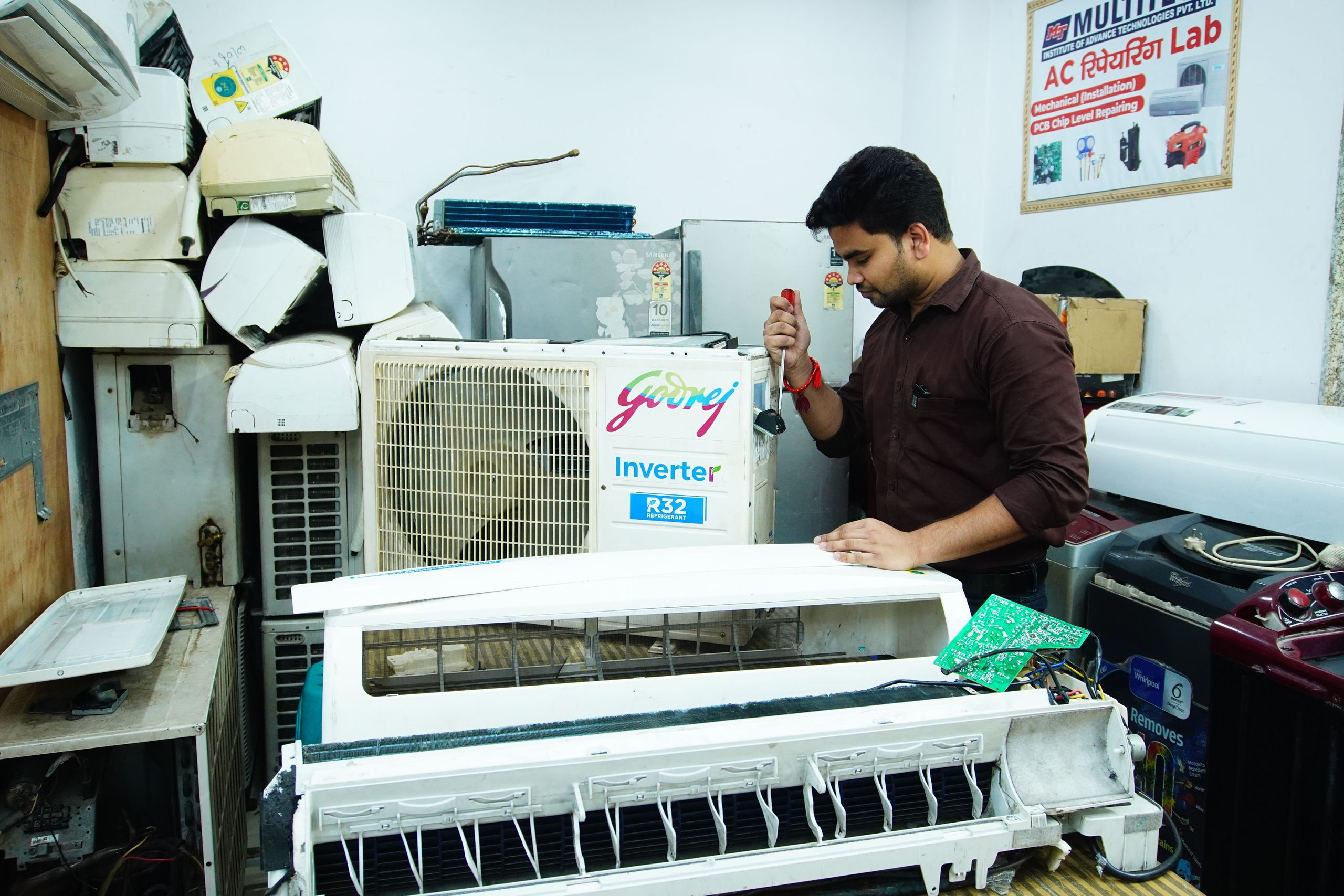
That old blender, coffee maker, toaster, or mixer sitting in a cabinet may be taking up space without adding any value.
Many people keep broken appliances because they feel wasteful replacing them. The problem is that an item waiting for repair can remain untouched for months or even years, becoming nothing more than permanent storage clutter.
Take a realistic look at appliances that no longer work. If you have not searched for repair options, ordered replacement parts, or received an estimate within the past year, it may be time to decide whether fixing the item is actually worth it.
Appliances that cannot be repaired should not automatically go into household trash. Many communities offer small-appliance recycling or electronic waste programs that can handle these items more responsibly.
Related: 10 Things You Should Stop Storing in Your Kitchen Cabinets
Food-storage containers without matching lids
The container drawer is one of the most common places where kitchen clutter quietly takes over. Food-storage containers are useful, but collections often become chaotic when lids disappear, containers crack, or pieces from different sets get mixed together.
Start by matching every container with its correct lid. Keep the sizes and shapes your household regularly uses and remove pieces that are cracked, warped, melted, badly stained, or missing their matching parts.
Do not assume every unwanted plastic container can go into curbside recycling. Recycling rules vary depending on location, so check local guidelines before disposing of them.
Cookware that no longer works properly
Old cookware can become more frustrating than helpful when it stops performing the way it should.
Take a closer look at pots, pans, and baking sheets that have been sitting unused. Warped pans, loose handles, heavy rust, damaged surfaces, or cookware that no longer heats evenly may no longer deserve valuable cabinet space.
Not every old pan needs to be replaced. Some cookware, such as cast iron, can often be restored with proper care. However, pieces that are damaged beyond practical use or no longer match the way you cook may be better removed.
Pay attention to cookware that affects everyday use. A loose handle, cracked glass dish, or severely damaged surface can turn a helpful kitchen tool into an inconvenience.
Specialty gadgets you forgot you owned
Many kitchens are filled with tools purchased for one recipe, one trend, or one ambitious cooking goal that never became a habit.
A spiralizer, specialty slicer, egg cooker, or holiday baking gadget may have seemed useful at the time. But if it has spent years hidden inside a drawer, it may be taking space away from tools you actually use.
Before keeping a single-purpose gadget, consider how often it has been used. If it is still in good condition but rarely touched, donating it may allow someone else to get value from it while creating more room in your kitchen.
A smaller collection of useful tools is often better than a drawer full of items that are rarely needed.
Dried spices and herbs that have lost their flavor
A crowded spice cabinet can hide bottles that have not been touched in years.
Dried herbs and spices often remain in kitchens long after they stop being useful. Over time, they can lose their aroma, color, and flavor, making them less effective when cooking.
Go through your spice collection and remove duplicates, forgotten bottles, and ingredients you no longer use.
Most old spices are usually more of a quality issue than an immediate safety concern. However, anything that is damp, moldy, leaking, infested, or contaminated should be discarded.
Keeping only the seasonings you actually use can make cooking easier and prevent unnecessary repeat purchases.
Chipped, cracked, or damaged dishes
A kitchen cabinet filled with damaged dishes can create clutter without adding convenience. Many households keep mugs with chips, plates with cracks, or glasses with small damages because they have sentimental value or because replacing them feels unnecessary.
Sentimental pieces can always be repurposed for decoration or storage. However, dishes with sharp edges, spreading cracks, broken handles, or damage that makes them difficult to clean may no longer be practical for everyday use.
Before donating dishes, make sure they are still suitable for someone else to use. Damaged food-contact items are usually better repurposed or disposed of properly.
Extra mugs, travel cups, and water bottles
Many kitchens contain far more drinkware than anyone actually uses. Coffee mugs collected from events, promotional cups, souvenir glasses, and unused water bottles can slowly fill cabinets and shelves.
Keep the items your household reaches for regularly and remove the extras. A smaller collection makes it easier to organize cabinets and find what you need each morning.
If mugs or bottles are clean and in good condition, consider donating them rather than allowing them to sit unused.
A drawer full of disposable utensils and takeout supplies
Plastic forks, napkins, chopsticks, and condiment packets can accumulate faster than most households can use them. Saving a few extras can be practical, but years of collecting takeout supplies can turn a drawer into a cluttered storage area.
Sort through disposable items and keep only a reasonable amount. Discard anything that is leaking, swollen, damaged, sticky, or impossible to identify.
Unopened extras that are still usable may be useful in workplaces, community spaces, or other situations where disposable supplies are needed.
Related: 10 Kitchen Upgrades That Look Expensive but Won’t Break the Bank
A cleaner kitchen starts with keeping what works
A functional kitchen is not necessarily the one with the most gadgets, cookware, and storage containers. It is the one where the items inside are useful, accessible, and suited to the way people actually cook.
Before buying another organizer, spend time reviewing what is already taking up space. Ask yourself:
Do I use this? Is it safe and functional? Do I already own something better? Would I buy it again today? Sometimes the best kitchen upgrade is not adding something new. It is creating space by responsibly letting go of what no longer works.
Other Posts You Might Like
If you like what you just read, then subscribe to our newsletter and follow us on social media.


