

The post 10 Things People Who Grew Up in the 1970s Still Remember first appeared on Crafting Your Home
Growing up in the 1970s meant a childhood filled with simple routines, limited screens, and everyday experiences that somehow became unforgettable. There were no endless streaming choices, no smartphones in every pocket, and no instant way to replay a favorite moment. Instead, kids waited for Saturday morning cartoons, carried lunch boxes that showed off their personalities, and gathered around one television set for family entertainment.
The decade had its share of big cultural moments, but many memories came from ordinary things: the sound of a record needle dropping, the click of an 8-track changing tracks, or the excitement of bringing home a new toy. These are 10 experiences that helped define what growing up in the ’70s felt like.
Saturday morning cartoons were a weekly event

For many children, Saturday mornings were not just another part of the weekend. They were a tradition. Kids woke up early, grabbed a snack, and settled in for cartoons and children’s programs because there was no streaming menu or easy replay option. Missing a favorite show often meant waiting for it to air again.
One standout was Schoolhouse Rock!, the short musical series that blended entertainment with lessons about grammar, history, and multiplication. The Library of Congress notes that the segments began airing in 1973 and became a familiar part of ABC’s Saturday morning lineup.
Metal lunch boxes showed who you liked
Before backpacks became the everyday school accessory, many children carried metal lunch boxes decorated with their favorite characters, movies, and shows. A lunch box was more than a container. It was a small piece of personal style that revealed what a child loved.
The matching Thermos was part of the experience too.
The cup-like lid, the familiar shape, and the excitement of seeing a new design made lunchtime feel special. Smithsonian collections even include a 1977 Star Wars Thermos, showing how quickly popular culture moved from movie theaters into everyday school life.
Star Wars changed the toy aisle forever
When Star Wars arrived in 1977, it was more than a movie. It became a playground conversation, a bedroom collection, and a toy obsession. Children recreated space battles and dreamed up their own adventures with characters that suddenly seemed to appear everywhere.
The franchise quickly expanded into comics, toys, school gear, and other merchandise.
Smithsonian records show how fast Star Wars moved from the big screen into everyday childhood culture.
Toys became social experiences
Many 1970s toys were designed to be shared, tested, and shown off. Stretch Armstrong invited kids to pull and twist a strange-looking figure, while Simon introduced a new type of electronic challenge with lights and sounds.
These toys were memorable because they created moments between friends and siblings. Kids did not just own them. They gathered around them, competed, and showed everyone what they could do.
Backyard stunts felt like real entertainment
The Evel Knievel stunt toy captured the decade’s excitement around daredevil performances. Children used ramps, sidewalks, and whatever materials they could find to create their own stunt shows.
The toy line connected with a larger cultural moment because Evel Knievel was a recognizable celebrity whose real-life stunts were widely followed.
Video games entered the living room
The 1970s introduced many families to a new idea: controlling what happened on the television screen. Home versions of Pong arrived in 1975, followed by the Atari 2600 in 1977.
Compared with today’s gaming systems, these early games were simple. But that simplicity made them special. Families gathered around one television, took turns, and competed face-to-face instead of playing separately.
Records made listening to music an experience
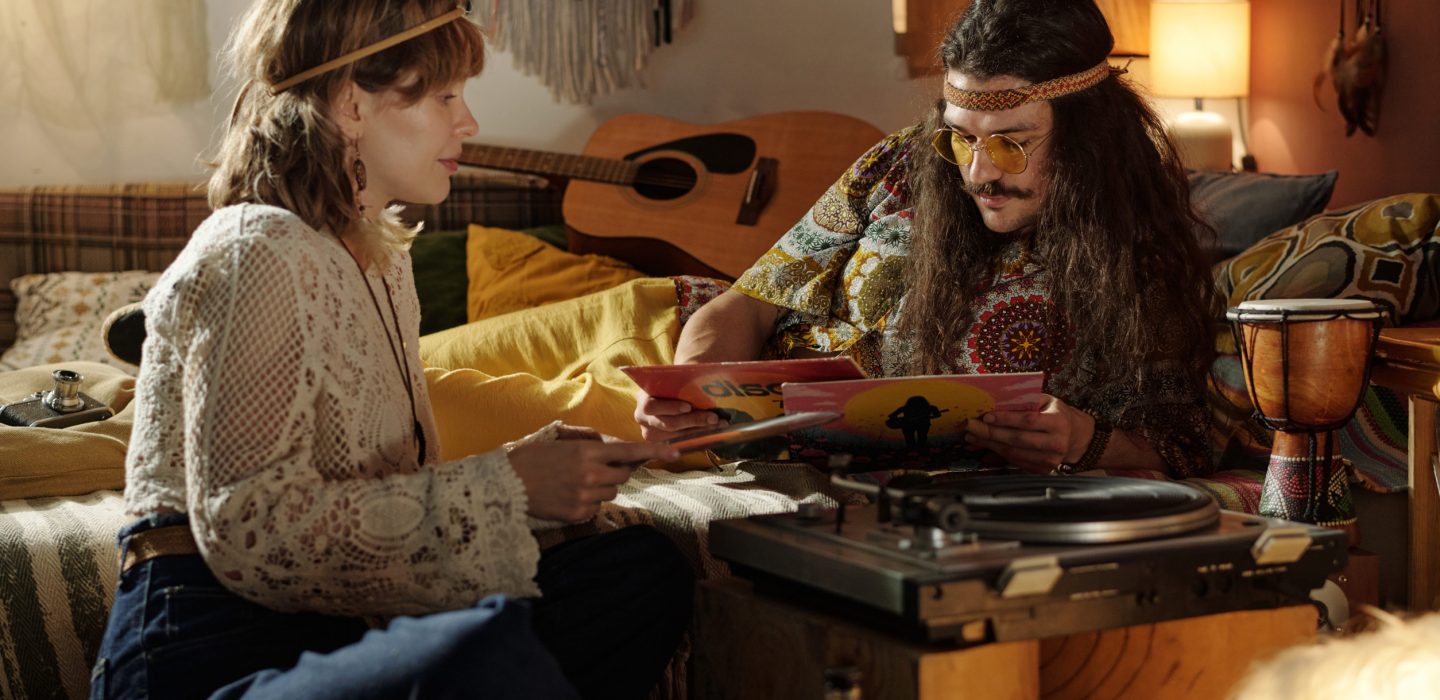
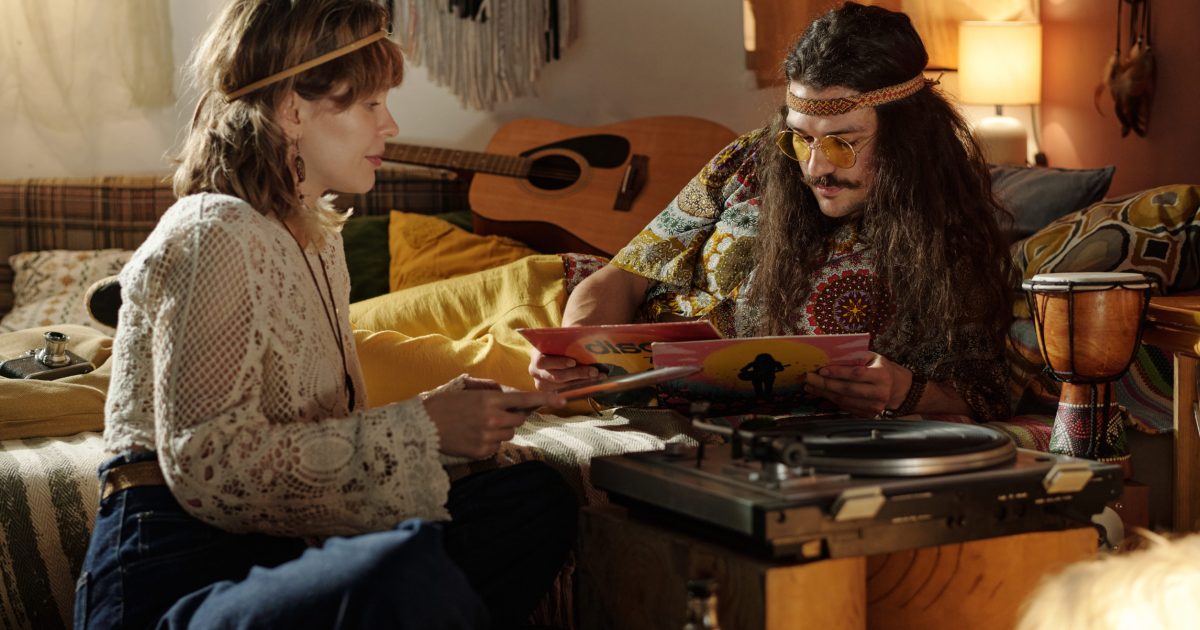
In the 1970s, music was something people held in their hands. Playing a vinyl record meant lowering the needle, flipping the album, and looking through the cover art and liner notes.
Albums were not just collections of songs. They were objects people displayed, studied, and shared. The physical process became part of the enjoyment.
8-tracks made the family car a music space
For many families, the car became another place to enjoy music. The 8-track cartridge let families bring favorite songs on road trips and everyday drives.
People still remember the mechanical clicks and sudden changes as the player switched tracks. The technology didn’t last, but the memory of music filling the car remains tied to the decade.
Roller rinks became the place to be

Roller skating was already popular, but the rise of disco gave many rinks a new energy. Bright lights, music, and dance-inspired skating turned them into social gathering spots for young people.
For many kids and teenagers, the roller rink was where friendships formed and weekends came alive.
Drive-ins made movie nights different
Drive-in theaters created an experience that mixed movies, cars, snacks, and family outings. People watched films from their vehicles, often making the trip feel like an adventure rather than just a movie night.Drive-ins were not created in the 1970s, but they remained a recognizable part of American life during the decade.
The 1970s weren’t perfect, but they offered an everyday simplicity many people still remember. A favorite show came on at a certain time, a new toy felt like a major event, and entertainment often meant sharing the same room with family and friends. Those small moments are what made the decade unforgettable.
Other Posts You Might Like
- things-women-raised-in-the-70s-and-80s-refuse-to-stress-over-that-younger-people-cant-stand
- boomer-parenting-habits-millennials-say-they-could-never-repeat-today
f you like what you just read, then subscribe to our newsletter and follow us on social media.


