Lifestyle

7 Boomer Parenting Habits Millennials Say They Could Never Repeat Today 

Diana Mibei
By Diana Mibei 9 min read

A generation ago, parenting often came with a simple rule: trust your instincts, teach your children independence, and let them figure things out along the way. Many boomer parents raised their children in homes where freedom, discipline, and practicality mattered more than constant supervision. Kids played outside until sunset, solved neighborhood arguments without adults stepping in, and learned responsibility through everyday experiences. 

Today, many millennial parents look back at those childhood memories with a strange mix of nostalgia and disbelief. The same habits that once represented normal family life now feel impossible for many younger parents to repeat because modern research, technology, and safety awareness have completely changed what feels acceptable. 

This divide is not simply about one generation being “right” and another being “wrong.” It reflects a dramatic shift in information, social expectations, and our understanding of childhood development. Boomer parents often worked with the knowledge available then. Millennials are parenting in an era where every decision can be questioned, researched, and compared within seconds. 

The result is a fascinating cultural tension: many millennials admire the independence they experienced as children, yet they struggle to recreate the environment that produced it. 

Children Roaming the Neighborhood Without Constant Supervision 

For many children growing up between the 1960s and 1980s, the outside world was their playground. A summer day could begin with breakfast and end hours later with a parent calling their name from the front porch. 

Kids rode bicycles across town, explored empty lots, built forts, visited friends, and created their own entertainment without an adult organizing every moment. 

The idea that children needed scheduled activities, location tracking, and constant communication would have seemed unusual in many boomer households. 

Parents often believed children developed independence through experience. Getting lost and finding the way home, negotiating disagreements with friends, and managing small risks were considered valuable life lessons. 

Many millennial parents remember these experiences fondly but hesitate to give their own children the same freedom. Today’s parents often face a different social environment shaped by online concerns, heightened awareness of safety risks, and cultural pressure to monitor children more closely. 

Technology has also changed expectations. Smartphones and tracking apps make constant awareness possible, creating a new parenting standard. When parents can see where their child is every second, letting children disappear for hours feels much harder. 

The irony is that many experts argue children still benefit from independence, problem-solving, and unstructured play. The challenge for modern parents is finding ways to provide those opportunities while navigating today’s safety concerns. 

Physical Discipline Was Once Seen as Standard Parenting 
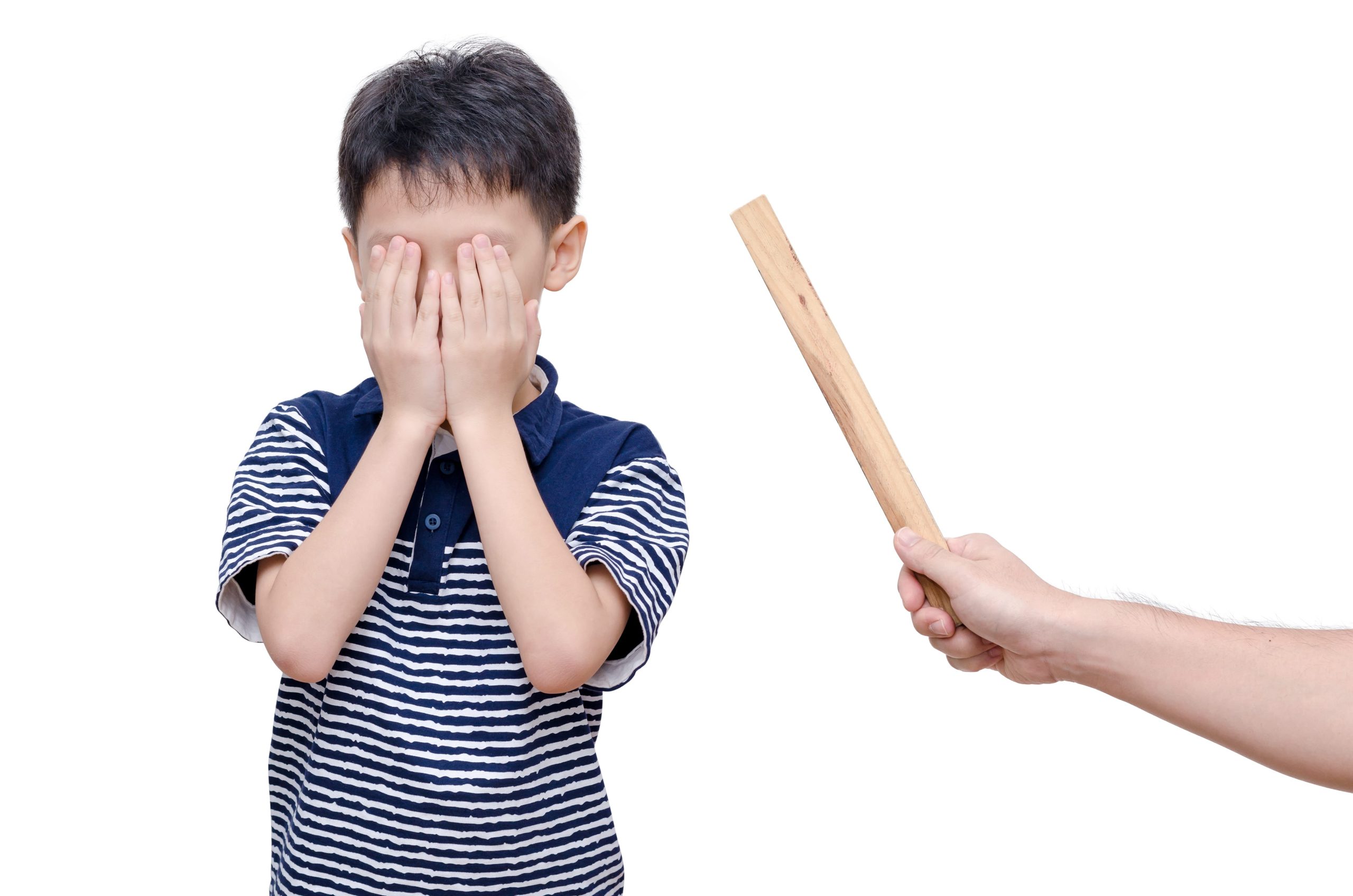
Image credit: parinyabinsuk/123rf

Discipline looked very different in many boomer households. Spanking, using belts or other objects as punishment, and strict obedience were widely accepted approaches in many families. 

Children were often expected to follow instructions immediately. Questioning adults, arguing back, or challenging rules could lead to punishment. 

Many millennials now view those methods through a completely different lens because modern child development research has changed how society understands discipline. 

The American Academy of Pediatrics recommends against corporal punishment, emphasizing approaches that teach behavior rather than create fear. 

The shift does not mean every boomer parent used physical punishment or that every millennial parent rejects all traditional discipline. Instead, it reflects a broader change in parenting philosophy. 

Modern parents are more likely to focus on emotional regulation, communication, natural consequences, and understanding why children behave in certain ways. 

For some millennials, the hardest part is recognizing that the discipline style they experienced as children may not match how they want to raise their own families. 

Related: Raising Teenagers Feels More Difficult Than It Used To: 8 Alarming Reasons

Smoking Inside the House Was Once Considered Normal 

A young man in a plaid shirt lighting a cigarette indoors, illustrating a smoking habit.
Image Credit: MART PRODUCTION/ Pexels

A home filled with cigarette smoke is almost unimaginable for many families today. Yet for much of the 20th century, smoking inside houses, restaurants, offices, and even vehicles was common. 

Ashtrays were household items. Guests were often offered cigarettes. Parents smoked while children sat nearby watching television or riding in the back seat of the family car. 

What once looked like an ordinary household habit is now recognized as a serious health risk because of decades of research on secondhand smoke exposure. 

Public understanding changed dramatically as scientists documented the connection between secondhand smoke and respiratory problems, heart disease, and other health concerns. 

Many boomer parents didn’t intentionally put their children at risk. They were following the social norms and medical understanding of their era. Smoking was marketed as sophisticated, relaxing, and harmless for decades before the dangers became widely accepted. 

Millennial parents grew up after those warnings became mainstream. For many, allowing smoking around children feels impossible because the risks are no longer hidden. 

This shift represents one of the clearest examples of how family habits can change when new scientific information becomes part of everyday life. 

Related: The 10 Worst U.S. States for Adult Smoking

The Rise of the Latchkey Kid Generation 

Image credit: pressmaster/123rf

Millions of children in the 1970s and 1980s became known as “latchkey kids.” They returned home from school, unlocked the door, prepared snacks, finished homework, and waited for their parents to return from work. 

A house key hanging around a child’s neck became a familiar symbol of independence. 

For many boomer families, being home alone after school wasn’t unusual. They saw it as preparation for adulthood. 

Changing family structures contributed to this trend. More households had two working parents, while many children in single-parent homes also managed afternoons independently. 

Children learned practical skills early. They handled small responsibilities, entertained themselves, and solved everyday problems without immediate adult assistance. 

Today, many millennial parents feel uncomfortable leaving young children alone for extended periods. After-school programs, childcare services, and organized activities have become much more common. 

This shift reflects changing expectations around supervision. Parents today are often judged more harshly for decisions that previous generations considered ordinary. 

At the same time, some researchers and parents question whether modern childhood has become overly structured. With fewer opportunities for independence, some children may have fewer chances to practice decision-making and self-confidence. 

Children Riding Without Modern Car Safety Equipment 

Few areas show the generational gap more clearly than car safety. 

Many boomers grew up riding in vehicles without the safety systems parents now consider essential. Children sat in front seats, stretched across back seats, rode without seat belts, or shared cars with several siblings packed together. 

Some families even let children sit in the bed of pickup trucks on short trips. 

These memories feel surprising today because transportation safety has changed dramatically in modern parenting. 

Car seats, booster seats, airbags, improved seat belts, and stronger vehicle designs have transformed how families think about protecting children on the road. 

Older generations often point out that many children survived those experiences. However, safety experts describe this as a form of survivor bias. The unharmed children became the stories people remember, while those injured or killed are often forgotten. 

The evolution of car safety demonstrates how society changes its definition of “normal.” A behavior can feel harmless simply because many people experienced it, but new evidence can reveal risks that were previously overlooked. 

Millennial parents grew up when car seats and safety recommendations became deeply embedded in family life. For them, letting a child ride without proper protection feels less like freedom and more like unnecessary danger. 

Children Were Expected to Stay Quiet Around Adults 

The phrase “children should be seen and not heard” represented a parenting philosophy that shaped many households. 

Children were expected to listen when adults spoke, avoid interrupting conversations, and show respect through silence. At family dinners, adults often controlled the discussion while children observed. 

Many millennial parents now see open communication as essential to raising confident children. 

Modern parenting often encourages children to express feelings, ask questions, and participate in family conversations. 

The change reflects a larger cultural movement away from strict hierarchy and toward emotional connection. Parents today often want children to understand that their opinions matter while still learning respect. 

However, the generational divide can create tension. Some older parents believe modern children receive too much freedom, while younger parents believe previous generations sometimes confused obedience with respect. 

The difference highlights how dramatically ideas about childhood have evolved within only a few decades. 

Leaving Children Alone in the Car During Quick Errands 

A quick trip into the grocery store once looked very different from what it does today. Many boomer parents remember leaving children inside a parked car while they ran in to grab a few items, believing that a few minutes alone was harmless. 

Windows might be cracked open, the radio might be playing, and parents often assumed they would be back before anything could happen. 

What was once viewed as a practical parenting shortcut is now considered a serious safety concern by many modern parents. 

Awareness of risks involving heat exposure, vehicle-related injuries, and child safety has changed dramatically. Many states have introduced laws addressing when and how children can be left unattended in vehicles because researchers and safety organizations have documented the potential dangers. 

Generational differences often come down to how people evaluate risk. Many boomer parents relied heavily on personal judgment and familiarity with their community. If the store was nearby and the child was sleeping, leaving them alone for a short time felt reasonable. 

Millennial parents are more likely to consider every possible scenario. Could the car heat up faster than expected? Could someone approach the vehicle? Could an emergency happen during those few minutes? 

Modern parenting culture has also increased awareness through online communities. Stories about accidents and safety concerns spread quickly, making certain behaviors that once seemed ordinary feel much more alarming. 

The result is a major shift in what parents consider acceptable. A practice that was once common in many neighborhoods now feels uncomfortable for a generation raised with greater awareness of child safety risks. 

Other Posts You Might Like

The post 7 Boomer Parenting Habits Millennials Say They Could Never Repeat Today first appeared on Crafting Your Home.

If you like what you just read, then subscribe to our newsletter and follow us on social media.

Leave a Reply

Your email address will not be published. Required fields are marked *