Home & Garden

12 Essential Gardening Tools That Save Time, Effort, and Money

Gracy Munga
By Gracy Munga 6 min read

This post, 12 Essential Gardening Tools That Save Time, Effort, and Money, first appeared in Crafting Your Home.


Gardening stores can make a simple flower bed feel as though it requires the equipment budget of a small farm. Shelves overflow with specialized cutters, diggers, weeders, and gadgets that promise to solve problems most gardeners haven’t encountered yet.

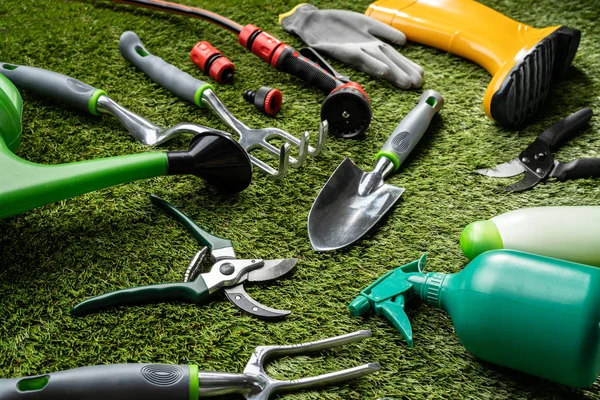
A productive garden needs far less. The smartest approach is to buy a small group of dependable tools that can handle several jobs, then add specialized equipment only when your garden demands it. These 12 essentials earn their place in your shed.

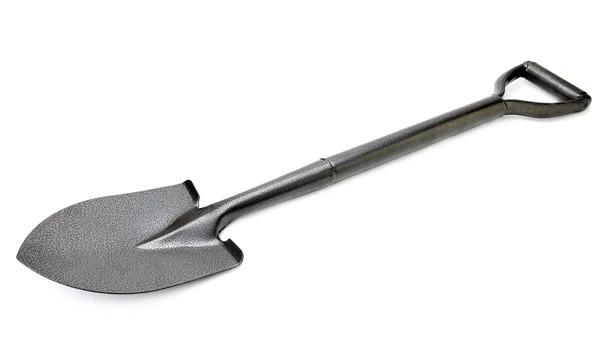
A shovel or spade

Image credit:
Author
Alinamd/depositphotos

Although people often use the names interchangeably, shovels and spades handle different jobs. A shovel usually has a curved or rounded blade suited to scooping soil, compost, gravel, and mulch. A spade has a flatter blade that cuts cleaner edges and penetrates compacted ground.

Gardeners who can afford only one should consider what they do most often. Choose a shovel for moving loose materials and digging general planting holes. Pick a spade for edging beds, slicing through turf, or working in dense soil.

A hand trowel

A hand trowel becomes the reliable little workhorse of container gardens and flower beds. Its pointed blade can dig small holes, transplant seedlings, place bulbs, scoop potting mix, and loosen shallow weeds.

Comfort matters because gardeners may use this tool for long stretches. Look for a handle that fits securely in your hand and a strong connection between the handle and blade. A brightly colored grip also makes the trowel easier to spot after you leave it beside a plant.

A bow rake

The stiff metal teeth on a bow rake break up clumps, pull stones from loose soil, and create an even surface before planting. Turn it over, and the flat back can smooth prepared soil without digging deep.

This tool proves especially useful when building a new bed or preparing rows for seeds. Gardeners with only containers or a tiny raised bed may not need one immediately, but anyone working a larger patch will appreciate its reach.

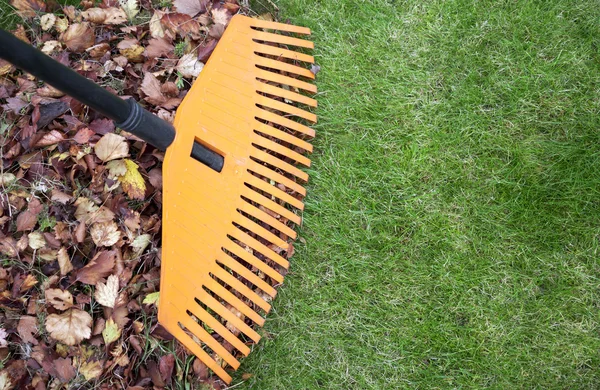
A leaf rake

Image credit:
Author
Cebas1/depositphotos

A leaf rake has flexible tines designed to gather leaves and light garden debris without digging heavily into the soil. Plastic models tend to feel lighter, while metal tines may stand up better to repeated use.

Collected leaves can serve a purpose beyond filling trash bags. Chopped leaves can become mulch or join a compost pile, depending on the plants and local conditions. Avoid piling thick, matted layers directly against trunks or plant stems.

A garden hoe

A basic hoe helps control young weeds before they become firmly established. Its long handle lets gardeners work between rows while standing, and the blade can also shape shallow planting furrows.

The best style depends on the garden. A traditional draw hoe moves soil and forms rows, while a stirrup hoe slices through small weeds near the surface. Buying the version that matches your main task is smarter than collecting several similar tools.

A hand cultivator

The original article grouped this tool with a gardening fork, but they are not always the same thing. A hand cultivator has short, curved tines for loosening surface soil and working in tight areas. A full-size garden fork has long, sturdy tines used for lifting and turning heavier material.

For containers and established beds, the compact cultivator is usually the more practical choice. It can disturb small weeds, loosen crusted soil, and work amendments into the upper layer without taking up much storage space.

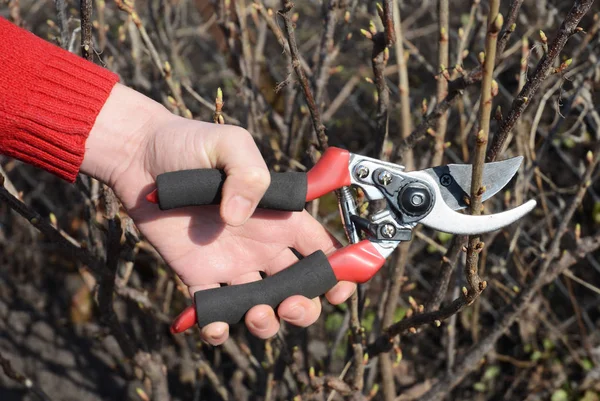
Bypass pruners

Image credit:
Author
thefutureis/depositphotos

Bypass pruners use two blades that pass each other like scissors, producing a relatively clean cut on live stems. They work well for trimming manageable growth, deadheading flowers, and harvesting vegetables.

Do not assume every pruner can cut the same thickness. Follow the tool manufacturer’s stated cutting capacity and use loppers or a pruning saw for larger branches. Keeping the blades clean and sharp also makes each cut easier and more controlled.

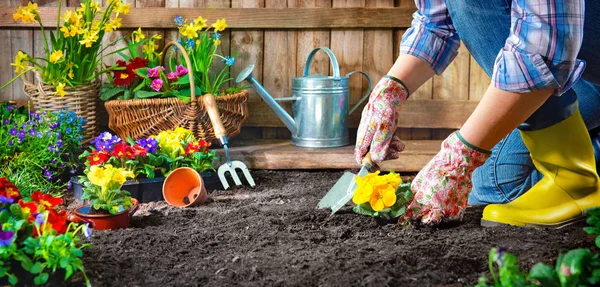
Gardening gloves

Image credit:
Author
alexraths/depositphotos

Gloves help protect hands from thorns, splinters, rough surfaces, and ordinary garden grime. A flexible pair works well for planting and weeding, while longer cuffs and tougher palms offer better coverage around roses and other thorny plants.

No single glove suits every task. If you use a pesticide, follow the product label, which specifies any required protective equipment. The Environmental Protection Agency explains that pesticide labels identify the protection handlers must wear.

A hose or watering can

Water may be essential, but it is not a gardening tool. A hose, watering wand, or watering can delivers it where plants need it. Small container gardens may require only a can, while bigger beds usually justify a hose.

Skip rigid watering schedules that ignore soil, weather, and plant type. The University of Minnesota Extension advises checking soil moisture and notes that sandy soil may need water more often than moisture-holding clay or loam. Mulch can also reduce how often you need to water.

Stakes, cages, and trellises

Tomatoes, peas, beans, cucumbers, and tall flowers may need support as they grow. Cages hold bushy plants upright, stakes support individual stems, and trellises give climbing plants somewhere to travel.

Install supports early, before roots spread and stems become difficult to handle. Soft ties are preferable to thin materials that may cut into growing stems. Gardeners can also reuse sound stakes and cages from one season to the next.

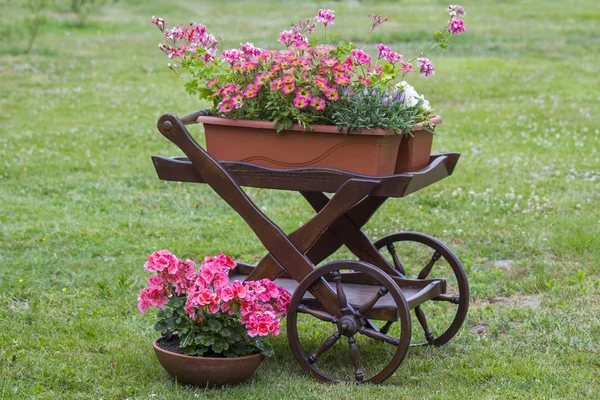
A wheelbarrow or garden cart

Image credit:
Author
mira.drozdowski.gm/depositphotos

A wheelbarrow or garden cart. The right design depends on your yard, not on whichever model looks most impressive at the store.

One-wheel models can maneuver through narrow paths but require more balancing. Two-wheel carts offer greater stability, though they may feel awkward on tight corners or uneven slopes. Before buying, check the width of your gates and storage doors.

A garden knife

A sturdy garden knife can cut twine, open soil bags, divide manageable plant clumps, remove weeds, and help lift plants from containers. A hori hori style knife usually has a pointed blade and may include one serrated edge.

Choose a tool with a secure handle and a protective sheath. Work away from your body and keep the blade clean after use. An old kitchen knife may appear cheaper, but a purpose-built garden knife provides a safer grip and better control outdoors.

The best gardening toolkit is not the largest one. Start with tools that match your space, choose sturdy designs that feel comfortable, and maintain them well. Money saved on gadgets can go toward the part of gardening that is much more fun: the plants.
Other Post You Might Like.

If you like what you just read, then subscribe to our newsletter and follow us on social media.

Leave a Reply

Your email address will not be published. Required fields are marked *