


This article was originally published on Crafting Your Home. A human contributor also wrote and edited the post.
Most relationships do not collapse because of one huge mistake. More often, they slowly weaken because of repeated behaviors that damage trust, intimacy, and emotional safety.
The small habits people ignore today can become the biggest problems they face tomorrow.
A relationship can survive disagreements, stressful seasons, and occasional mistakes. No couple communicates perfectly all the time.
The real danger comes when unhealthy patterns become normal.
Constant criticism, emotional withdrawal, control, dishonesty, and refusing to take responsibility can slowly change a loving relationship into one filled with frustration and resentment.
Relationship researchers have identified behaviors such as defensiveness, stonewalling, contempt, and controlling tendencies as patterns that can seriously harm connection over time.
Having toxic behavior does not mean someone is a terrible person. Many unhealthy habits come from insecurity, fear, past experiences, or poor communication skills. The important question is whether someone recognizes the pattern and is willing to change.
Here are 8 toxic traits that can quietly sabotage even strong relationships.
Constant Criticism That Makes Your Partner Feel Never Enough
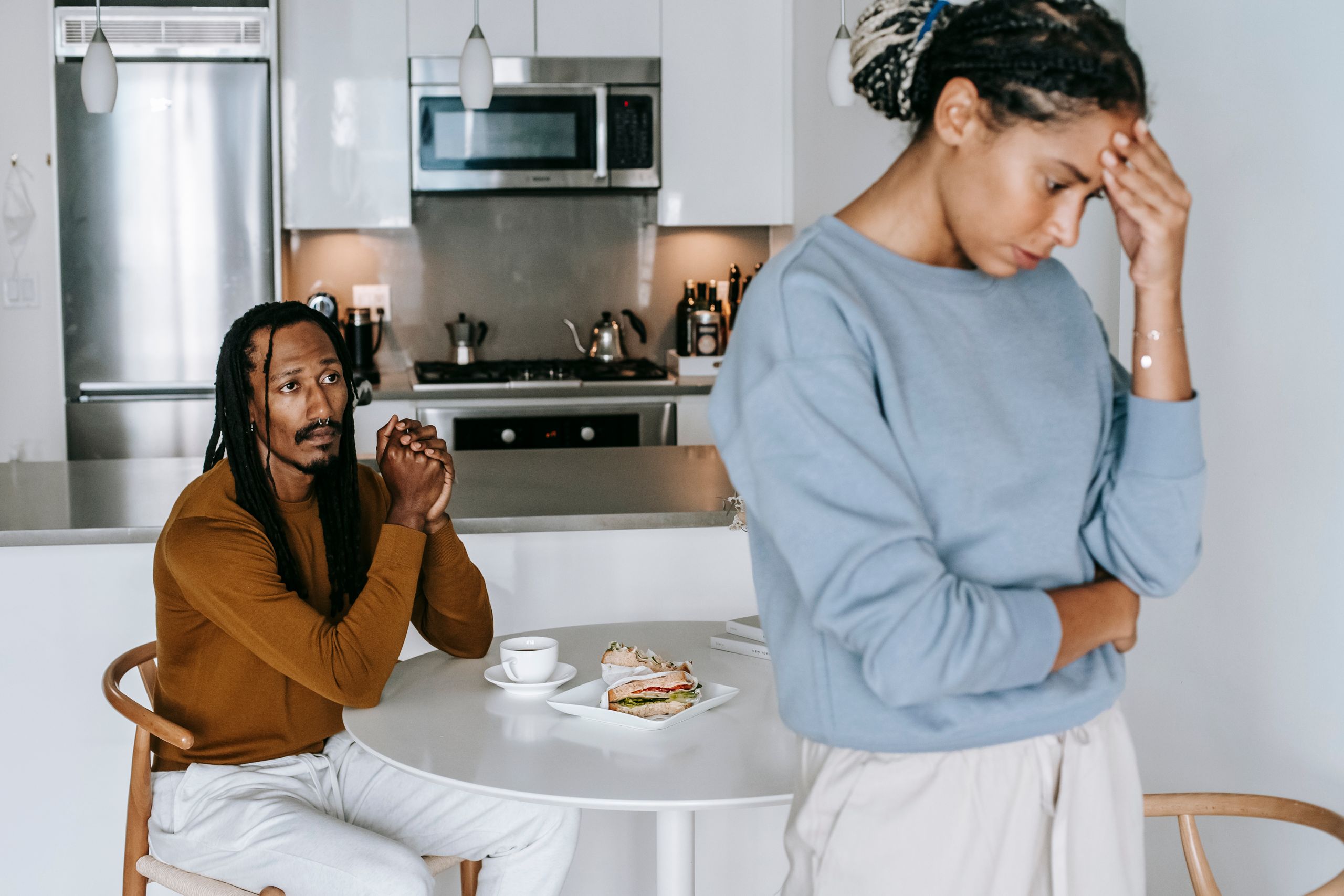
Every relationship needs honesty. Partners should be able to talk about problems and help each other grow. But there is a major difference between constructive feedback and constant criticism.
Constructive communication sounds like:
“I think we could handle this differently next time.”
Constant criticism sounds like:
“You always do this.”
“You never get anything right.”
“You are the problem.”
When someone regularly focuses on their partner’s flaws while ignoring their positive qualities, the relationship can begin to feel emotionally unsafe.
Over time, the person receiving constant criticism may stop feeling loved and start feeling judged. The issue is not that problems are discussed. Healthy couples discuss problems.
The issue is when criticism becomes a pattern that attacks someone’s character instead of addressing a specific situation. A relationship should feel like a partnership, not a place where one person is constantly being evaluated.
Refusing to Take Responsibility for Your Actions
One of the fastest ways to damage trust is refusing to admit when you are wrong.
Everyone makes mistakes.
A healthy partner can say:
“I handled that badly.”
“I understand why that hurt you.”
“I will try to do better.”
A toxic pattern develops when someone always finds a reason why their behavior is someone else’s fault. They blame their partner. They change the subject. They focus on what the other person did wrong instead of addressing their own actions.
Over time, this creates frustration because one person feels they are carrying all the emotional responsibility for fixing problems.
Relationships require two people who are willing to look honestly at themselves.
Accountability is not about being perfect. It is about showing that the relationship matters more than protecting your ego.
Using Silence as a Weapon
Taking time to calm down during an argument can be healthy. Sometimes people need a moment to process emotions before continuing a difficult conversation. However, intentionally ignoring someone to punish them is different.
The silent treatment can create anxiety because one partner is left wondering what happened, how long the distance will last and whether the relationship is secure.
Research on relationship sabotage has identified withdrawal and stonewalling as behaviors that can make emotional connection and conflict resolution much harder.
Healthy communication does not require solving every disagreement immediately. But it does require a willingness to return to the conversation.
A healthier approach sounds like:
“I need some time to calm down, but I want to talk about this later.”
That creates space without creating fear.
Trying to Control Your Partner Instead of Trusting Them
Control can sometimes disguise itself as concern. A partner may say they are being protective while actually limiting the other person’s freedom.
Controlling behaviors can include:
- Trying to decide who someone spends time with
- Monitoring their messages
- Making decisions without considering their opinion
- Creating guilt when they want independence
A healthy relationship allows two people to be connected while still being individuals. Love is not ownership.
Trust means believing that someone can make their own choices while still respecting the relationship.
When control replaces trust, the relationship often becomes exhausting because one person feels trapped and the other feels constantly threatened.
Keeping Score Instead of Building Together
Relationships are not competitions. But some couples slowly turn love into a scoreboard.
They keep track of:
“Who sacrificed more?”
“Who apologized last time?”
“Who does more?”
“Who cares more?”
This mindset creates resentment because every action becomes a transaction.
A healthy partnership asks:
“How can we solve this together?”
An unhealthy one asks:
“Who is winning?”
Of course, balance matters. One person should not carry every responsibility forever. But strong relationships focus on teamwork rather than collecting evidence against each other. Love becomes stronger when both people feel they are working toward the same goal.
Emotional Manipulation Through Guilt and Fear
Manipulation happens when someone tries to control another person’s choices by making them feel guilty, afraid or responsible for their emotions.
Examples include:
“If you loved me, you would do this.”
“You are the reason I feel this way.”
“After everything I have done for you, this is how you treat me?”
These statements may create temporary compliance, but they damage emotional trust.
A healthy partner expresses needs without forcing the other person to surrender their own feelings or boundaries.
Relationships should be built on choice, not pressure. Someone should stay because they want to, not because they feel trapped by guilt.
Emotional Unavailability and Refusing Vulnerability
Some people want love but struggle with emotional closeness. They avoid serious conversations. They hide their feelings. They shut down whenever things become uncomfortable.
Emotional distance can leave a partner feeling lonely even when they are physically together. A relationship requires vulnerability. That does not mean sharing every thought immediately or having perfect emotional skills. It means being willing to let someone understand you.
Many people develop emotional walls because of past hurt, fear of rejection, or previous relationship experiences. Recognizing those patterns is often the first step toward creating healthier connections.
Losing Appreciation and Taking Your Partner for Granted
Many relationships do not fail because love disappears overnight. Sometimes appreciation disappears first. People stop noticing the small things. They stop saying thank you. They stop showing interest. They assume their partner will always be there.
Feeling unappreciated can slowly create emotional distance. A simple acknowledgment can make a major difference:
“I noticed how much effort you put into this.”
“I appreciate what you do for us.”
“I am grateful to have you.”
People want to feel seen. A relationship becomes stronger when both partners continue choosing to notice and value each other.
If you like what you just read, then subscribe to our newsletter and follow us on social media.


