


This article was originally published on Crafting Your Home. A human contributor also wrote and edited the post.
For millions of Americans, getting behind the wheel is not simply transportation. In some places, it can feel like clocking into another shift.
A short trip can turn into an hour of brake lights, missed exits, construction zones, tolls, confusing interchanges, and drivers fighting for the same patch of asphalt. In several states, these frustrations can make everyday driving feel almost like full-time work.
Traffic conditions vary widely within every state. Someone driving through a small town may have a completely different experience from a commuter entering Los Angeles, Boston, Atlanta, or Chicago at rush hour. Still, these states contain some particularly notorious places where the daily drive can test both patience and the fuel gauge.
New York
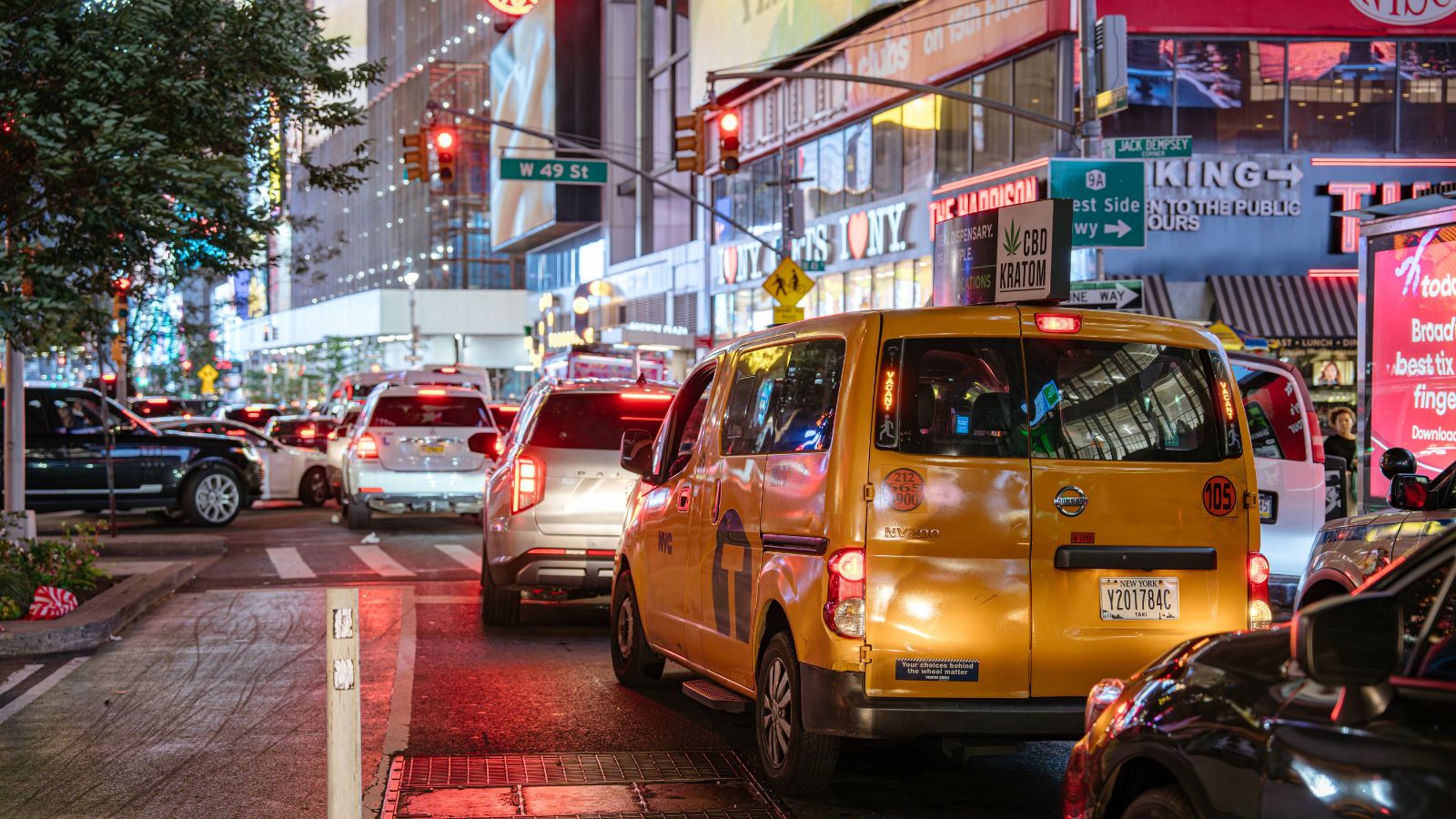
New York City may have one of America’s most extensive public transportation systems, but anyone who chooses to drive can enter an entirely different world.
The Cross Bronx Expressway is notorious for congestion, while tolls, parking costs, and alternate-side parking rules can add even more frustration. The challenge is not simply moving through traffic. Drivers must also think about where the car will go once they finally arrive.
In parts of New York, finding a parking space can feel like winning a competition where everybody started before you.
Florida
Florida traffic brings together residents, tourists, retirees, theme-park visitors, snowbirds, and newcomers who may all be driving with very different levels of familiarity.
Miami congestion, toll systems, tourist traffic, and seasonal gridlock around major attractions can make the roads especially unpredictable.
That mixture creates situations where one driver knows exactly where the exit is while another realizes three lanes too late that it was the exit they needed. Meanwhile, thousands of other people are trying to reach beaches, airports, hotels, workplaces, and amusement parks at the same time.
California
California practically wrote the handbook on exhausting commutes. Los Angeles and the Bay Area, where major highways can become painfully slow during busy periods. The I-405 and US-101 are among the roads associated with the state’s traffic headaches.
The frustrating part is how quickly distance loses its meaning. A destination may look close on a map, but traffic can turn those few miles into a commitment. Add sprawling metro areas where driving is often the easiest option, and a routine commute can begin to feel like a permanent appointment nobody remembers scheduling.
Washington
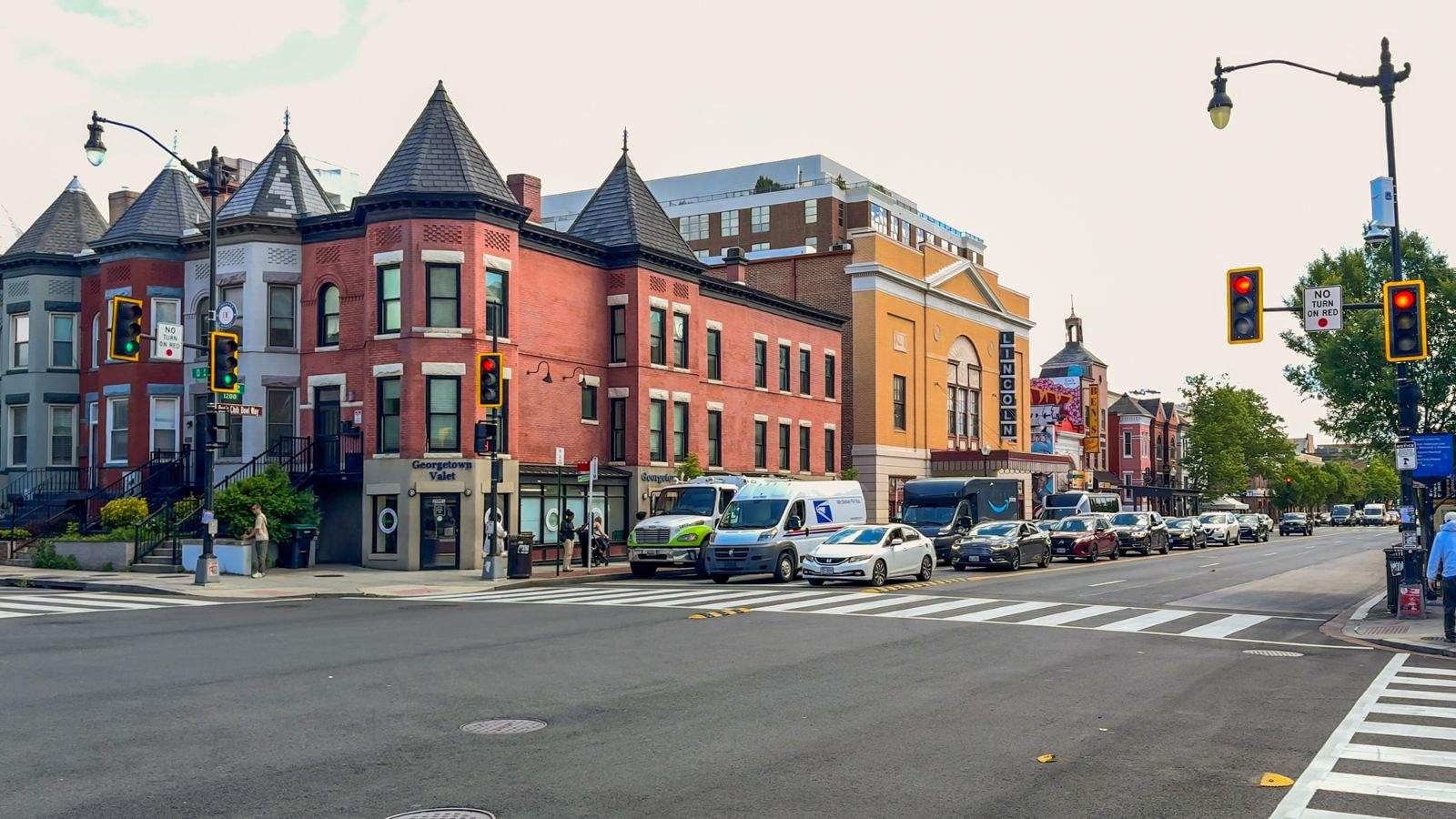
Seattle turns geography itself into part of the commute.
Water, bridges, tunnels, ferries, and heavily traveled highways can all shape how residents move around the region.
When so many trips depend on a limited number of important crossings and corridors, one disruption can become everyone’s problem. The scenery may be spectacular, but admiring mountains from behind a windshield feels considerably less magical when the same brake lights have been in front of you for 20 minutes.
Pennsylvania
Pennsylvania earns its place partly because Philadelphia can make construction cones feel like permanent roadside decorations.
Congestion, aging infrastructure, recurring construction, and the Philadelphia-area Schuylkill Expressway can make driving especially frustrating. The road has developed a difficult reputation among commuters who regularly deal with slowdowns and unpredictable delays.
The frustration often comes from uncertainty. A route that worked perfectly yesterday may be narrowed, redirected, or backed up today. Drivers learn quickly that estimating arrival time is less a science than an act of hope.
Georgia
Atlanta is where “just take the highway” can become dangerous optimism.
I-285 and the massive interchange commonly called Spaghetti Junction are major examples of the region’s complicated, high-volume roads. Atlanta’s spread-out development also means many residents depend heavily on cars to reach work, shopping, entertainment, and home.
That dependence makes congestion more than an inconvenience. When something goes wrong on a major route, the effects can spread quickly. Suddenly, everyone is searching for a shortcut, and the shortcut has traffic too.
New Jersey
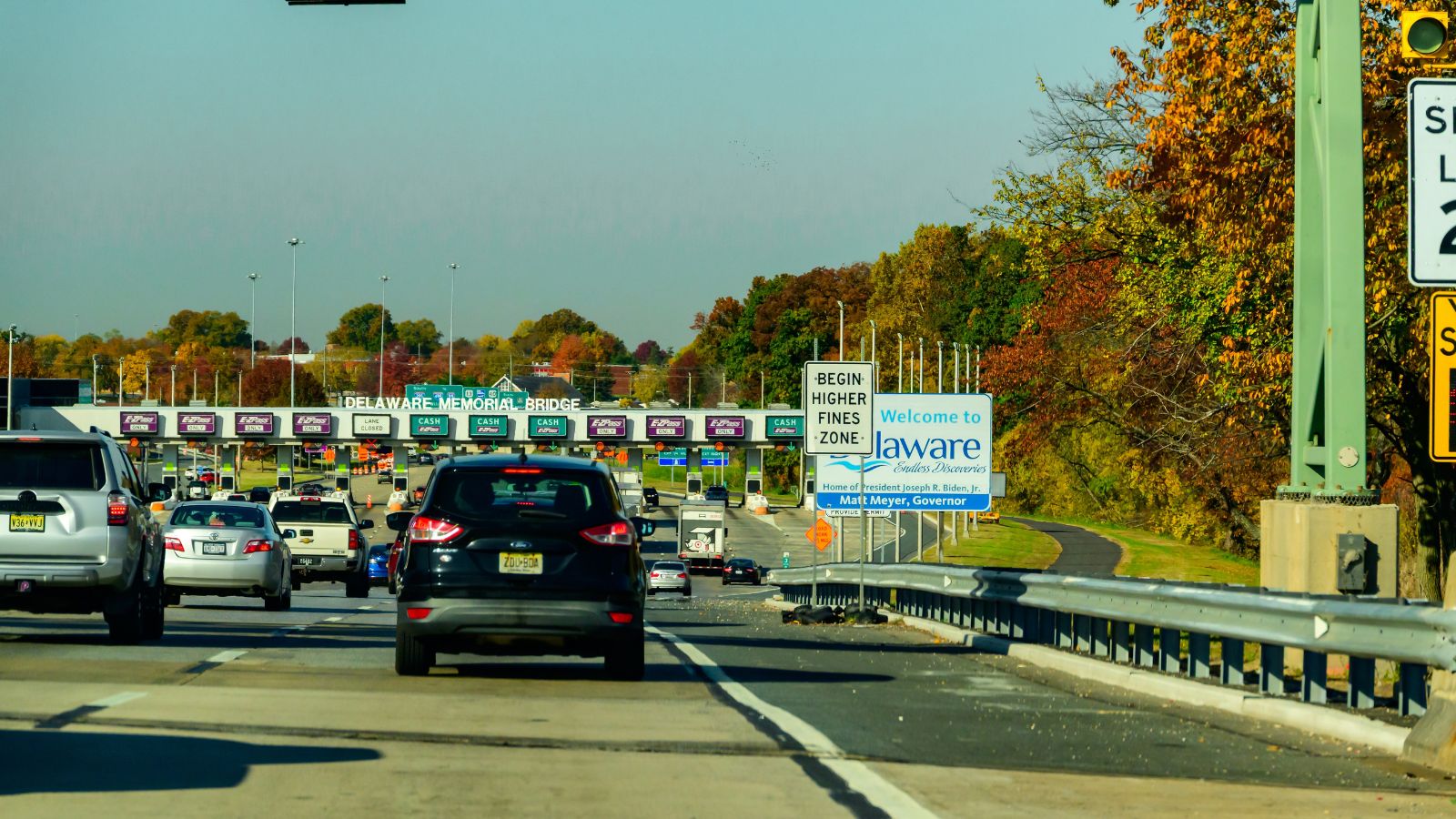
New Jersey is small enough that destinations often appear conveniently close together. The traffic can make that assumption disappear quickly.
Recurring bottlenecks on roads including I-95 can make even short trips feel painfully long, while toll roads are a regular part of the driving experience. With commuters traveling toward New York City, Philadelphia, and major employment centers inside the state, some roads carry enormous pressure.
For drivers, the ritual can become almost automatic: check the traffic, check another app, reject the first route, accept the second route, then discover everyone else received exactly the same suggestion.
Illinois
Chicago drivers have traffic in summer and an entirely different challenge once winter arrives.
Heavy congestion, icy-road pileups, and snow-covered streets can turn routine travel into a test of patience. Chicago is also famous for the local tradition of claiming shoveled parking spaces after snowstorms, adding another layer of tension to winter driving.
Then snow arrives, lanes become harder to see, parking becomes competitive, and every trip requires another calculation. Sometimes the train suddenly looks less like public transportation and more like an escape plan.
Conclusion
Driving will always be easier in some parts of these states than others. California is not one giant Los Angeles freeway, just as Pennsylvania is not one endless Philadelphia construction zone.
But major metro areas can shape how people experience an entire region.
When getting to work requires leaving increasingly early, when errands are planned around traffic patterns, and when arriving home feels like completing a second shift, driving stops being a simple background task.
That may be the most exhausting part of all.
If you like what you just read, then subscribe to our newsletter and follow us on social media.


