


This article was originally published on Crafting Your Home. A human contributor also wrote and edited the post.
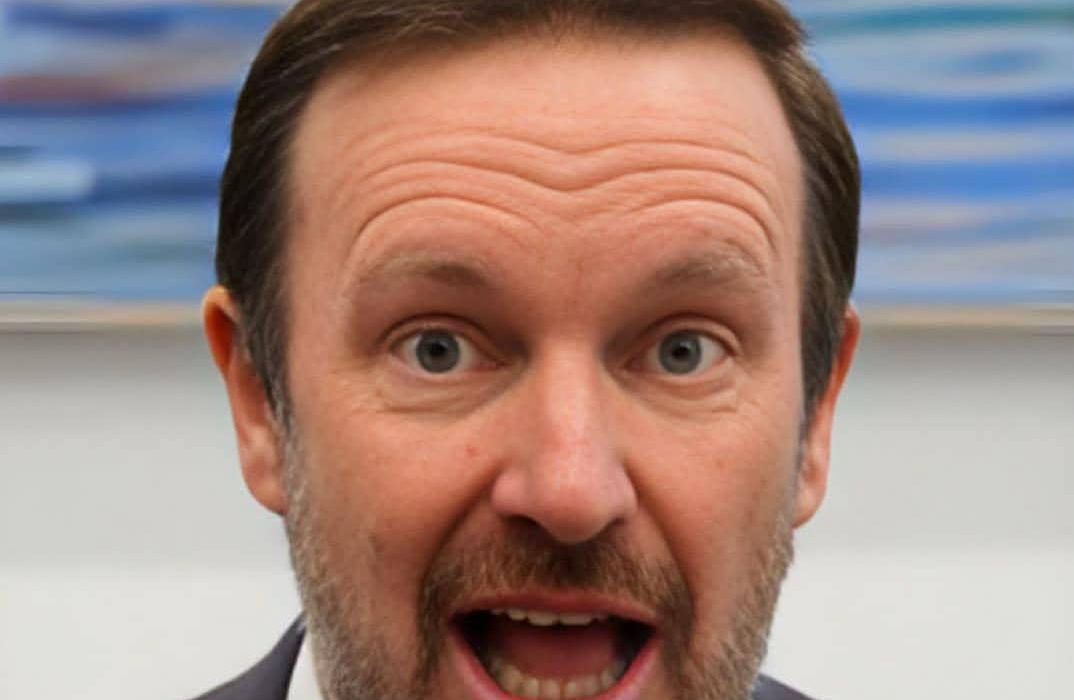
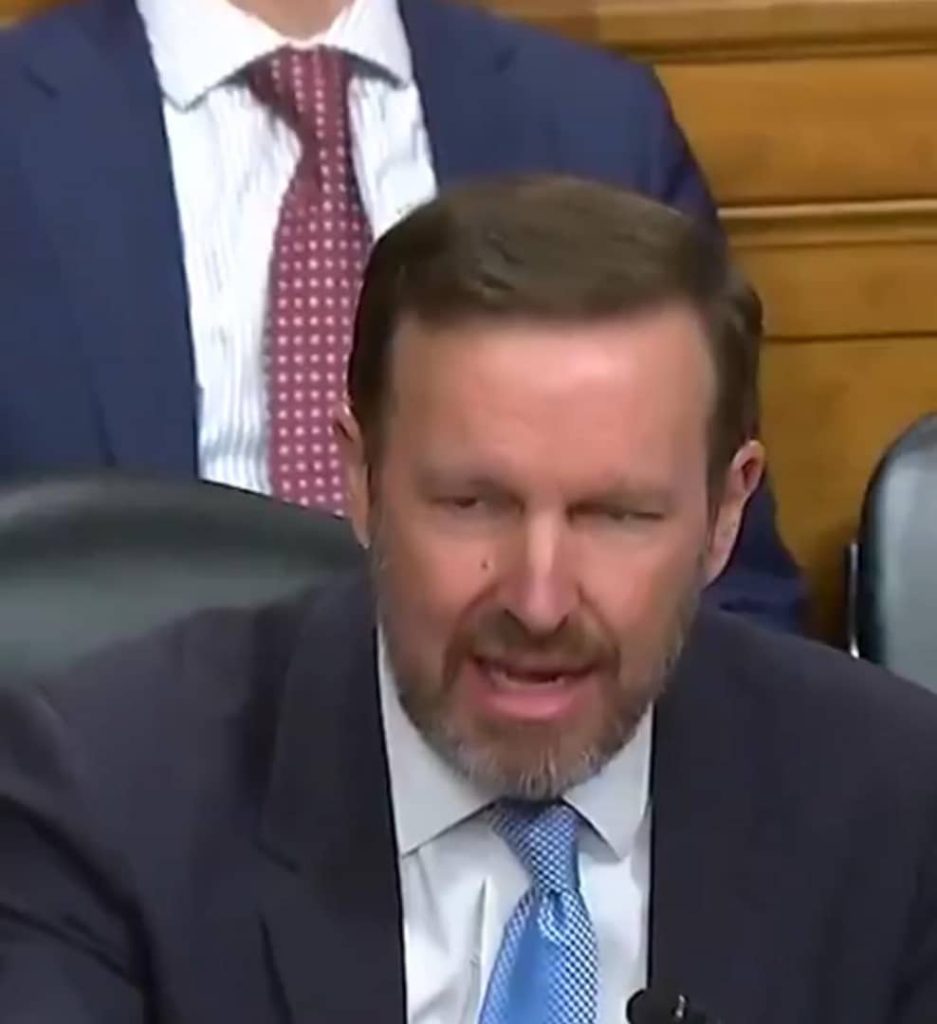
Sen. Chris Murphy is escalating his criticism of President Donald Trump, accusing the administration of creating a system where wealthy individuals and corporations can gain special access to government decisions.
In a recent post, the Connecticut Democrat wrote:
“He doesn’t care anymore. It’s just non-stop, in-your-face corruption.”
Murphy then pointed to what he described as the latest example:
“If you pay Trump $100,000 a month, he will give you advance White House announcements on economic and trade policy.”
The comments refer to Murphy’s criticism of a reported subscription-style arrangement connected to Trump-related political and business activities. The senator argued that the situation raises serious questions about transparency, conflicts of interest, and whether wealthy individuals can gain an advantage through financial connections.
The accusations have added fuel to a larger political battle over Trump’s business interests, foreign relationships, and the boundaries between private enterprise and presidential power.
Murphy says wealthy insiders are getting special treatment.
Murphy has become one of the Democratic Party’s most outspoken critics of Trump’s second administration, frequently raising concerns about ethics, government accountability, and the influence of money in politics.
The senator’s latest criticism focuses on the idea that access to economic and trade information could become a privilege available mainly to wealthy people.
Murphy argues that government information affecting markets and businesses should serve the public interest rather than become an advantage for those able to pay large sums.
His comments come amid broader scrutiny of Trump’s financial relationships, including questions about foreign investments, business deals, and potential conflicts involving companies connected to the Trump family.
Murphy has previously accused the administration of weakening traditional safeguards designed to separate government decisions from personal financial interests.
In a Senate speech in 2025, Murphy criticized what he described as “corruption” within the administration and argued that Trump’s policies had blurred the lines between public service and personal profit.
Trump allies push back against corruption accusations.
Trump and his supporters have rejected claims that his business activities or policy decisions represent corruption.
They argue that Trump’s experience as a businessman gives him a different approach to government and that economic agreements, investments, and negotiations can benefit the United States.
Supporters have also argued that critics often apply different standards to Trump than to other politicians.
The White House and Trump allies have maintained that policies are based on national interests rather than personal financial gain.
The debate reflects a long-running disagreement in American politics over presidential ethics.
Unlike members of Congress, presidents are not required to place their assets into a blind trust. However, many modern presidents have taken steps to separate themselves from their businesses while serving in office.
Critics argue that stronger safeguards are needed when a president has extensive private business holdings.
Supporters argue that voters already knew about Trump’s business background when they elected him.
A larger fight over money, power, and government trust
The clash between Murphy and Trump is part of a broader national argument over political influence.
Many Americans across party lines have expressed concerns about wealthy donors, lobbying, and whether ordinary citizens have the same access to decision-makers as major corporations and billionaires.
Murphy has positioned himself as a critic of what he calls a political system that gives too much influence to the wealthy.
In interviews, he has argued that Democrats need to focus more heavily on economic issues affecting working-class Americans, including wages, healthcare costs, and corporate power.
The Trump administration, meanwhile, has emphasized deregulation, business growth, and economic expansion as key priorities.
The disagreement over Trump’s relationships with wealthy individuals and businesses is likely to remain a major political issue as lawmakers debate ethics rules, government transparency, and presidential authority.
For Murphy, the message is straightforward: government decisions should not be influenced by who has the most money.
For Trump’s supporters, the criticism represents another political attack against a president they believe is challenging traditional Washington practices.
The controversy highlights one of the biggest questions in modern American politics: where should the line be drawn between private success, political influence, and public responsibility?
If you like what you just read, then subscribe to our newsletter and follow us on social media.


