

This article was originally published on Crafting Your Home. A human contributor also wrote and edited the post.
A newly surfaced legal document obtained by the New York Post has brought fresh attention to one of rock music’s most closely examined deaths. The document reveals that Courtney Love’s attorney asked Seattle police in 1995 to turn over the complete investigative file related to Kurt Cobain’s death and leave no copies behind with the department.
The request came about a year and a half after the Nirvana frontman was found dead at his Seattle home, where authorities determined that he died by suicide.
The request did not challenge the official finding or accuse investigators of wrongdoing. Instead, it focused on concerns that private materials connected to the case could be released publicly or used for financial gain. However, the unusual demand has renewed discussion about who should control sensitive evidence in a case that has remained in the public spotlight for more than three decades.
The 1995 Request Sought Complete Control of the Case File
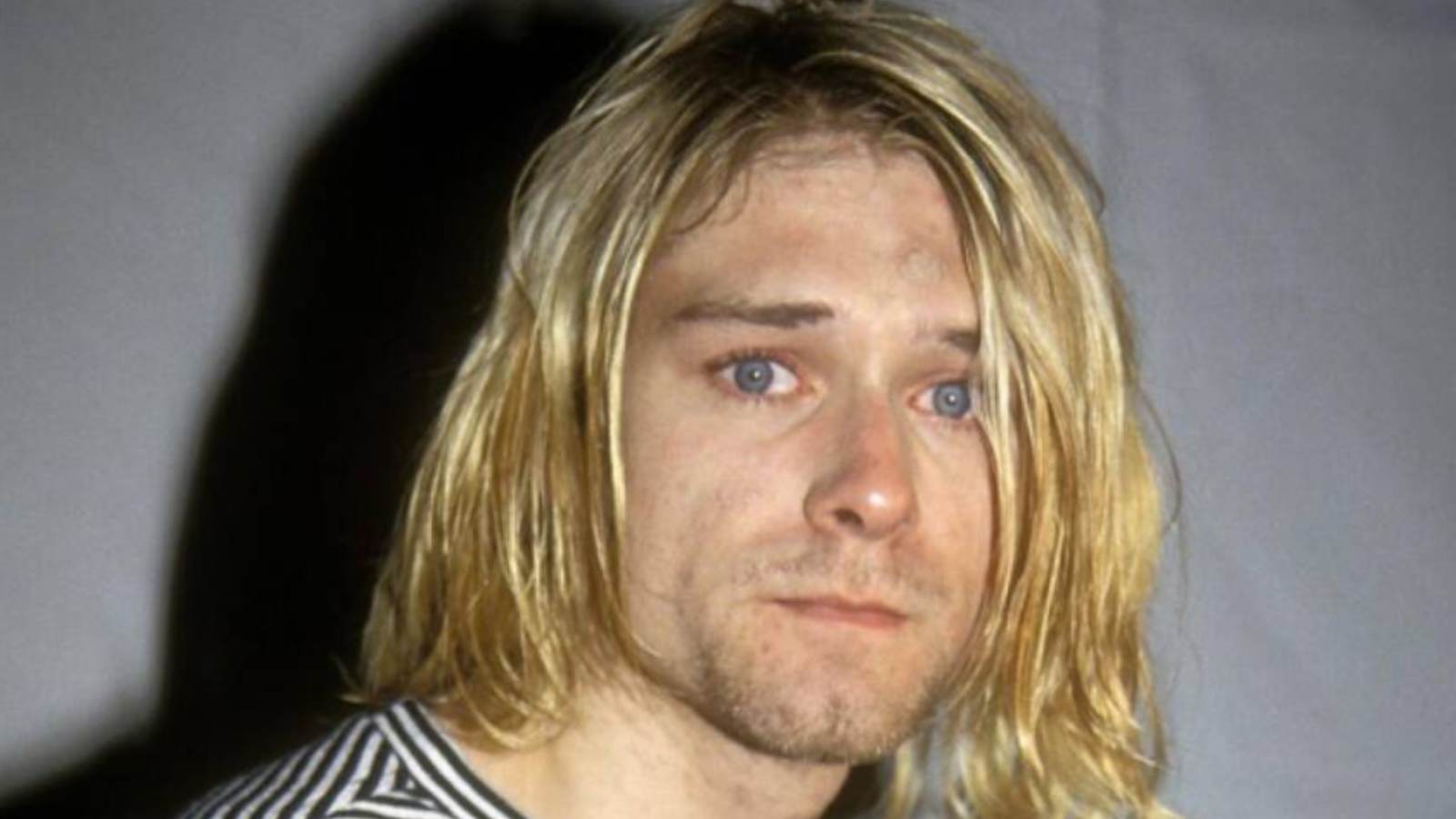
Attorney Bryan Coluccio sent the letter to Seattle Police Chief Norm Stamper on October 20, 1995. In the request, Coluccio represented Courtney Love and Kurt Cobain’s estate while asking for the entire investigative file connected to Cobain’s death. The request also sought to have the department retain no copies of the materials.
The documents included more than standard police reports. They covered evidence collected during the investigation, including undeveloped 35mm film, Polaroid photographs, personal writings and other private materials connected to the case. Coluccio argued that sensitive information from the investigation could be exploited by people seeking to profit from Cobain’s death.
The letter also made clear that Love and the estate accepted the police investigation’s conclusion. It stated that they considered the investigation complete and accepted the official finding that Cobain’s death was a suicide. The request was centered on privacy concerns and control of sensitive material rather than reopening the case.
Seattle police did not approve the transfer. The department kept possession of the records, preserving the investigative file under its own evidence procedures. That decision later allowed authorities to review the case materials again when public interest returned years later.
Police Preservation Allowed Later Reviews of Cobain Evidence
Retired Seattle police Captain Neil Low later criticized the idea of transferring an entire investigative file away from the department. He argued that law enforcement agencies have a responsibility to preserve records from major investigations. Keeping official evidence also allows future reviews and ensures accountability.
The importance of preserving the file became clearer in 2014 when Seattle police revisited Cobain’s case ahead of the 20th anniversary of his death. Detective Mike Ciesynski reviewed the evidence but did not reopen the investigation. After examining the records, police maintained that the original conclusion remained unchanged.
During that review, detectives discovered four undeveloped rolls of crime scene film that had remained stored with the evidence. Investigators said the photographs had not been processed earlier because police already had other images from the scene, including Polaroid pictures and medical examiner photographs.
The department later released some previously unseen photographs that were not restricted by privacy laws. However, graphic images showing Cobain’s body remained protected from public release. The continued existence of the original evidence file allowed police to examine the material while maintaining legal restrictions.
Privacy Battles Continued Over Kurt Cobain Death Records
The debate over Cobain’s death records continued long after the 1995 request. Concerns about private photographs and investigative materials becoming public remained a major issue for those close to the singer. Several legal efforts focused on preventing the release of images considered deeply personal.
Court documents later showed that Love and Cobain’s daughter, Frances Bean Cobain, fought against efforts to release certain death scene photographs. They argued that making those images public would cause emotional harm and create serious privacy concerns. Courts ultimately blocked the release of the photographs that had not already been made public.
The legal battles highlighted a difficult question surrounding famous deaths. Public figures often leave behind records that attract intense curiosity, but families and authorities must also consider the dignity and privacy of those involved.
Cobain’s death has remained one of the most discussed events in music history because of his influence, his age, and the circumstances surrounding his passing. However, official authorities have repeatedly stated that the investigation reached its conclusion decades ago.
Official Finding on Kurt Cobain’s Death Remains Unchanged
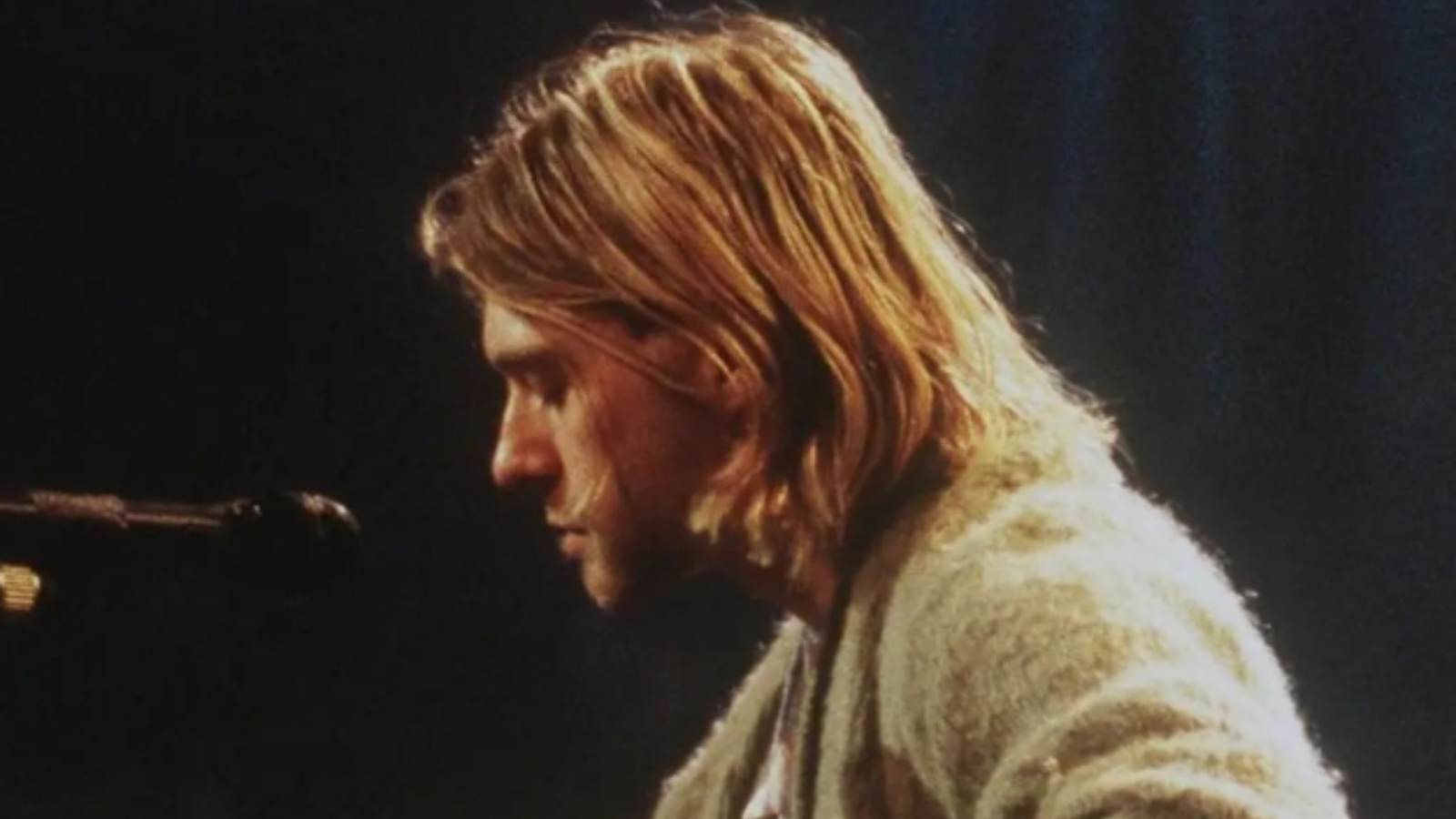
Kurt Cobain was found dead on April 8, 1994, at his Seattle home. He was 27 years old and had become one of the most influential musicians of the 1990s through Nirvana’s success. Seattle authorities determined that he died from a self-inflicted shotgun wound.
The newly revealed documents do not provide evidence of a different cause of death or establish wrongdoing by Courtney Love or anyone else connected to the case. They only show that Love’s legal representatives attempted to obtain control over the complete investigation file after Cobain’s death.
Over the years, some private researchers have continued to question the official conclusion and have called for additional reviews. However, those theories have not been accepted by Seattle police or other official authorities involved in the original investigation.
The release of the 1995 letter offers a new look at the complicated relationship between privacy, public interest and law enforcement records. It shows how Cobain’s death remained a sensitive matter for those closest to him while also demonstrating why police agencies maintain control over evidence from major cases.
More than 30 years later, the official conclusion surrounding Kurt Cobain’s death remains unchanged. The preserved records continue to serve as the foundation for future discussions, but the newly revealed request does not alter the findings investigators reached.
If you like what you just read, then subscribe to our newsletter and follow us on social media.


