
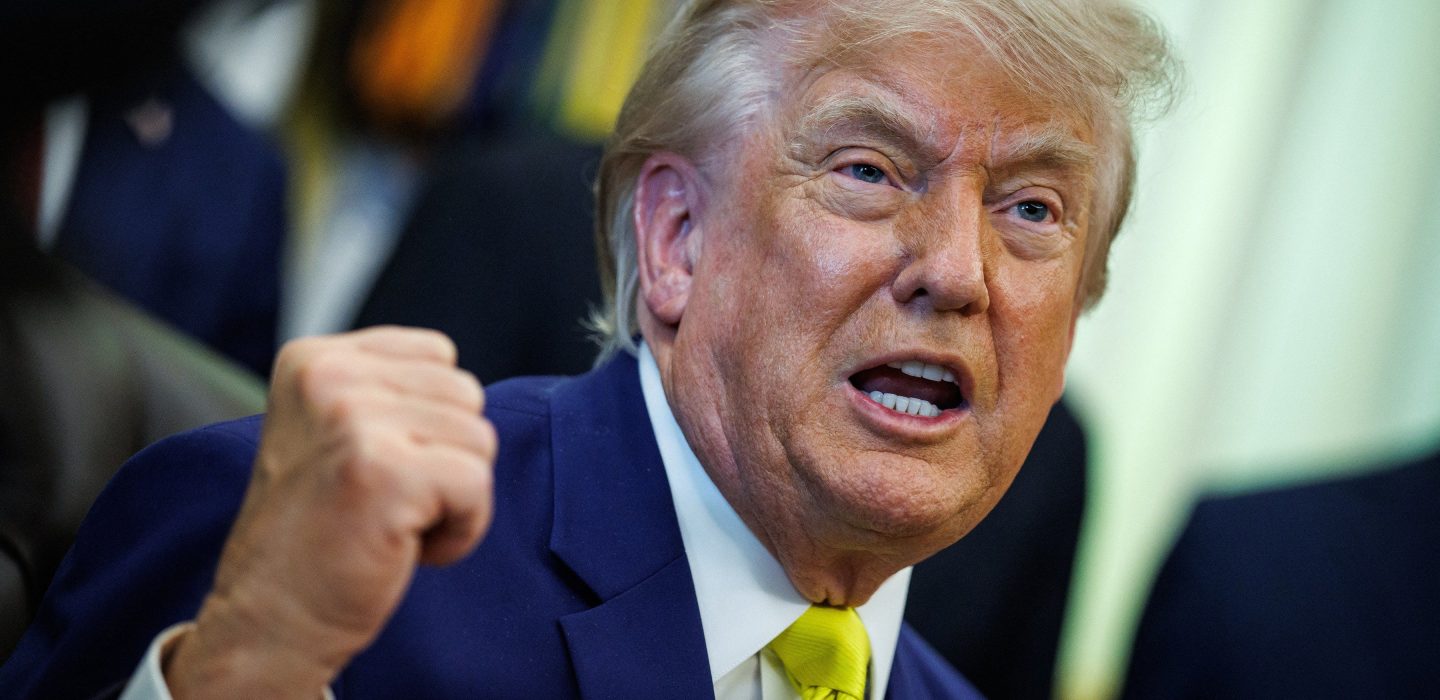

The UFC’s planned White House event is no longer just a sports story. It is now a courtroom fight, a political controversy, and a national spectacle wrapped into one explosive weekend. The event, scheduled for Sunday, June 14, 2026, is set to take place on the South Lawn of the White House, the same day as Flag Day and Donald Trump’s 80th birthday.
That timing has added a sharper edge to the lawsuit trying to stop it. What was promoted as a historic UFC event tied to America’s 250th anniversary is now being challenged as something much more personal and politically loaded.
At the center of the dispute is one major question: should a private combat sports event be allowed to use the White House and nearby national landmarks for a celebration that also falls on the president’s birthday?
Lawsuit Puts the White House UFC Event Under Pressure

The lawsuit was filed in federal court by the Public Integrity Project, which is seeking an emergency injunction to block UFC Freedom 250 before fight night. The legal challenge names federal agencies, including the National Park Service and the Department of the Interior. The plaintiffs argue that the administration violated federal rules by allowing a private commercial sporting event to use some of the most symbolic government property in the country.
The case focuses heavily on whether the event truly qualifies as part of America’s semiquincentennial celebration. Federal officials have pointed to anniversary-related rules that allow certain events connected to the 250th anniversary of U.S. independence.
The lawsuit argues that this UFC card does not fit that category because it is allegedly driven by a private company, UFC branding, and the president’s personal calendar.
That birthday connection gives the controversy its sharpest political bite. June 14 is not just the event date. It is also Trump’s 80th birthday, which allows critics to frame the card as less of a national celebration and more of a presidential birthday spectacle staged on public land. The lawsuit does not need to prove bad optics alone, but optics now sit at the center of public debate.
<