


This article was originally published on Crafting Your Home. A human contributor also wrote and edited the post.
Aging brings wisdom, experience, and a deeper understanding of the body’s changing needs. But it also comes with physical changes that can make everyday routines, including bathing, feel more difficult. Some older adults may bathe less often because of mobility challenges, dry skin concerns, fatigue, fear of falling, or simply because they no longer feel the same need for frequent washing.
Yet regular bathing after age 60 is more than a matter of appearance. It plays a major role in protecting skin health, preventing infections, supporting comfort, and maintaining overall well-being. When personal hygiene habits decline, the effects can quietly build over time, creating health problems that are often overlooked.
Here are seven health risks older adults may face when they skip regular bathing.
Skin Infections Can Become More Common

The skin is the body’s first protective barrier, and neglecting regular cleansing can weaken that barrier. As people age, skin naturally becomes thinner, drier, and more fragile. It may not repair itself as quickly as it did in younger years, making it easier for bacteria and fungi to enter through tiny cracks or irritated areas.
Sweat, dead skin cells, and natural oils can accumulate on the body when bathing becomes less frequent. These conditions create an environment where harmful microorganisms can multiply. Areas such as skin folds, underarms, and between toes are especially vulnerable because moisture can become trapped.
Older adults with diabetes, circulation problems, or weakened immune systems may face even greater risks. A minor skin irritation can sometimes develop into a more serious infection if it is ignored. Regular bathing does not require harsh soaps or long showers. Gentle cleansing, moisturizing afterward, and paying attention to vulnerable areas can help maintain healthier skin.
Worsening Dry Skin And Irritation
Many older adults reduce bathing because they worry about dry skin. However, avoiding hygiene completely can sometimes create other problems. The key is not eliminating bathing, but adjusting the routine to protect aging skin.
Aging skin produces fewer natural oils, which means it loses moisture more easily. Without proper cleansing, sweat, environmental dirt, and dead skin can build up and contribute to itching and irritation. Scratching irritated skin can create small wounds that increase the chance of infection.
A balanced approach works best. Shorter baths or showers with warm, not hot, water can help prevent excessive dryness. Using fragrance-free moisturizers after bathing can also support the skin’s natural barrier.
Persistent itching is not always just a normal part of aging. It can sometimes signal skin conditions or other health concerns that require medical attention.
Increased Risk Of Body Odor And Bacterial Growth
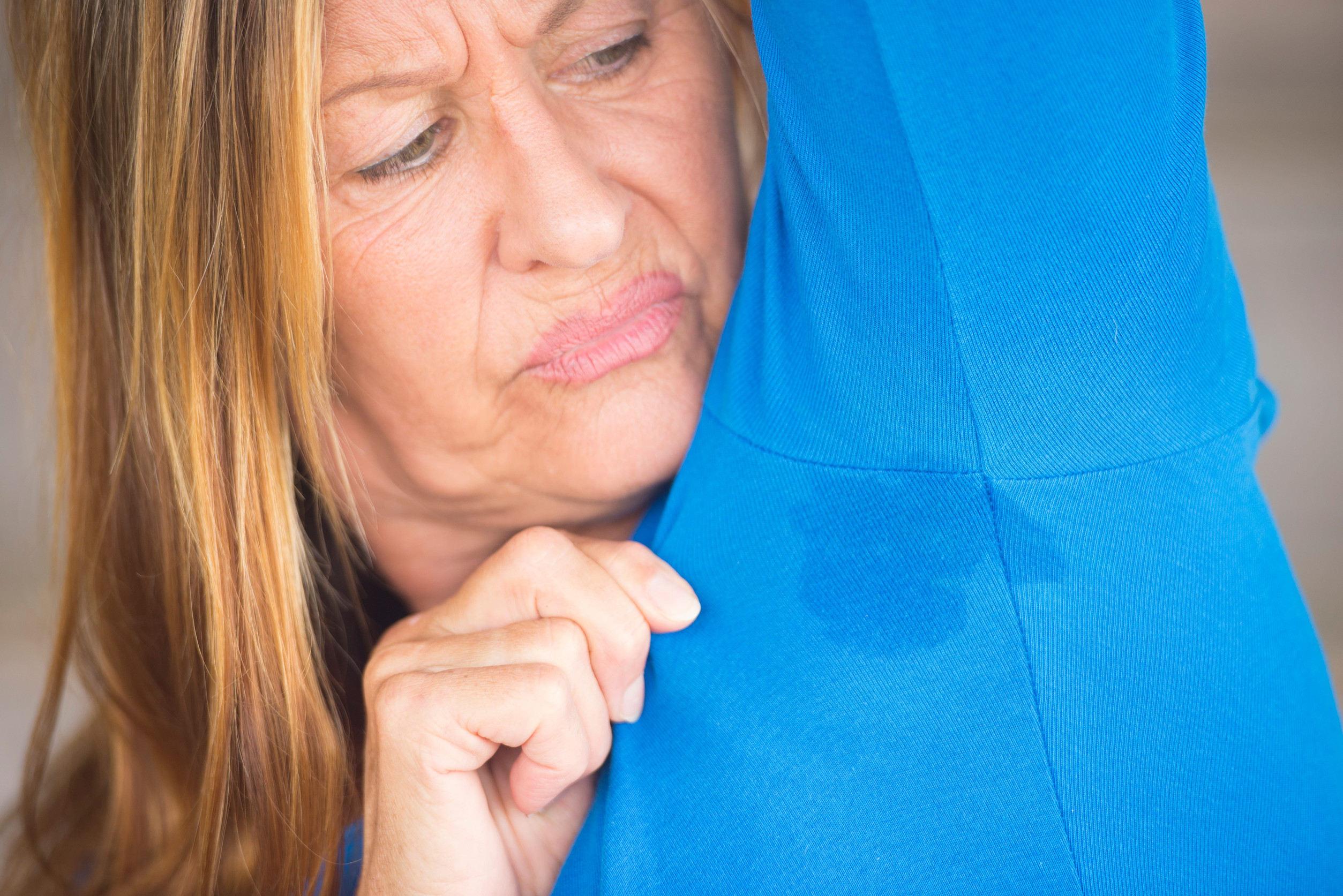
Body odor is not simply a cosmetic concern; it can be a sign that bacteria are breaking down sweat and oils on the skin. Everyone experiences natural changes in body chemistry as they age, but reduced bathing can intensify unpleasant smells.
The human body constantly sheds skin cells and produces oils. When these materials remain on the skin for extended periods, bacteria can grow and create stronger odors. Clothing can also hold sweat and bacteria, making the problem worse.
For older adults living alone, changes in personal hygiene may go unnoticed. Family members or caregivers may be the first to notice differences in appearance, smell, or daily routines.
Maintaining regular hygiene can help preserve dignity, confidence, and social comfort. Feeling clean often improves mood and encourages people to stay engaged with family, friends, and community activities.
Higher Chance Of Fungal Problems
Fungi thrive in warm, damp environments, and certain areas of the body naturally provide those conditions. Skipping regular bathing can increase the likelihood of fungal infections, especially in areas where moisture collects.
Common problems include athlete’s foot, fungal infections between skin folds, and irritation around areas that remain covered for long periods. These conditions may cause redness, itching, burning, or discomfort.
Older adults may not always notice early symptoms, especially if they have reduced sensation due to nerve problems or certain medical conditions. A small fungal issue can become harder to manage if it continues untreated.
Keeping the body clean and dry helps limit fungal growth. Washing and carefully drying areas such as feet, groin, and skin folds can provide important protection.
Poor Hygiene Can Affect Mental And Emotional Health
Personal hygiene is closely connected to confidence, independence, and emotional well-being. When someone stops bathing regularly, the effects may extend beyond physical health. Feeling uncomfortable about body odor, greasy skin, or appearance can cause some older adults to withdraw from social activities. They may avoid visits, gatherings, or outings because they worry about how others perceive them.
Reduced social interaction can contribute to loneliness, which is already a major concern among many older adults. Human connection plays an important role in maintaining emotional health and quality of life.
A change in bathing habits can also sometimes indicate deeper issues, including depression, memory problems, or difficulty managing daily activities. Loved ones should approach these changes with care rather than criticism.
Wounds And Skin Problems May Be Missed
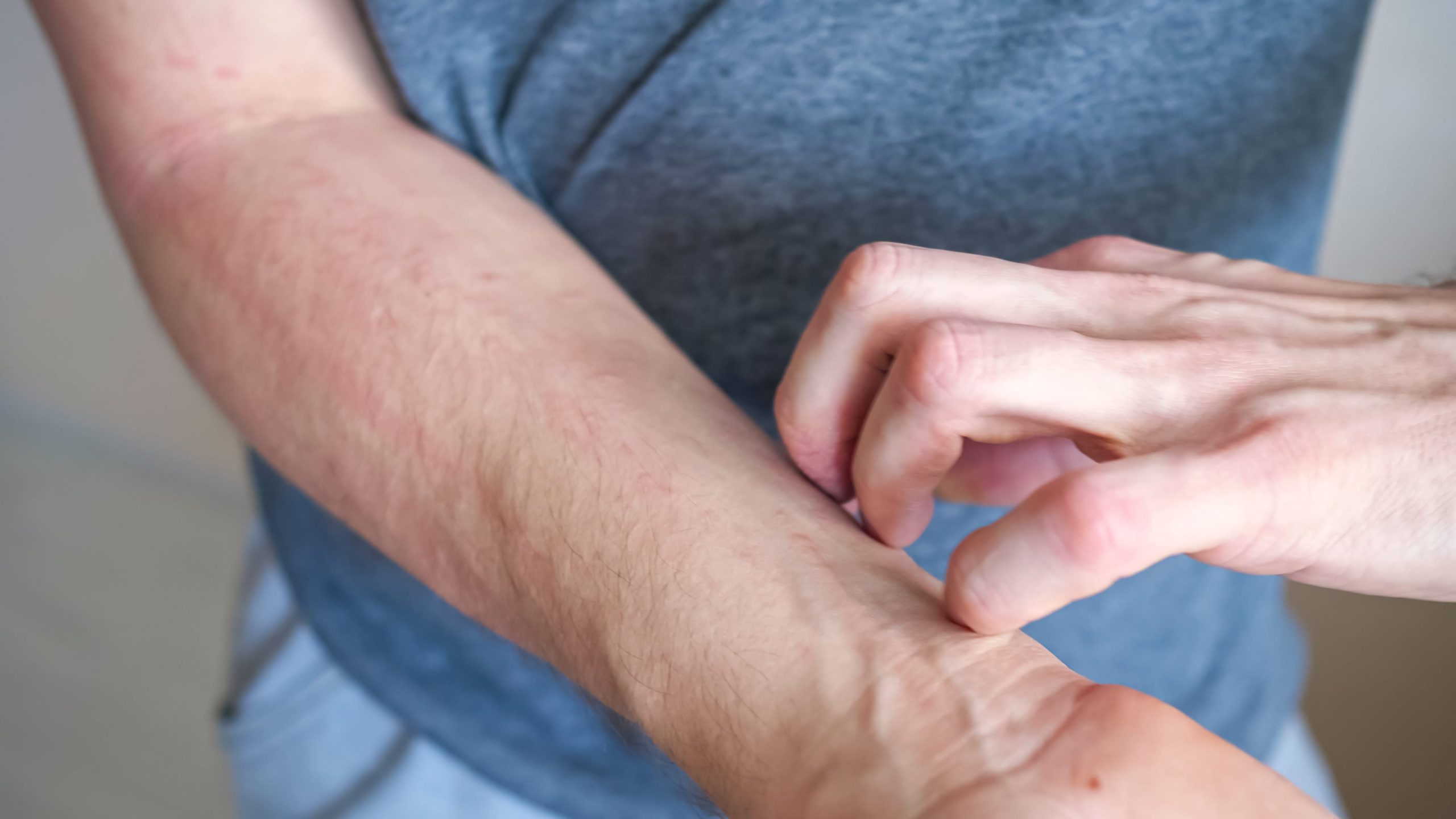
Regular bathing gives people an opportunity to notice changes on their bodies that might otherwise go unseen. Small cuts, bruises, rashes, pressure sores, or unusual skin changes can be identified earlier during routine hygiene.
This becomes especially important after age 60 because healing can take longer. A small wound that goes unnoticed may become infected or develop into a larger problem.
Older adults with limited mobility may also develop pressure injuries from sitting or lying in the same position for long periods. Regular skin checks during bathing can help identify warning signs early. For caregivers, assisting with bathing can provide an important moment to observe physical changes and report concerns to healthcare providers.
Reduced Comfort And Overall Quality Of Life
Bathing is not just about removing dirt; it is a routine that can support comfort, relaxation, and a sense of normalcy. A warm shower or bath can help people feel refreshed and prepared for the day. When bathing becomes rare, some older adults may experience increased discomfort from sweat, itching, or skin buildup. These issues can affect sleep, movement, and daily activities.
Maintaining personal care routines can also reinforce independence. Even small steps, such as washing the face, cleaning underarms, changing clothes regularly, and caring for feet, can make a meaningful difference. For those who struggle with mobility, making bathing safer with grab bars, shower seats, handheld showerheads, or caregiver assistance can help reduce barriers.
Aging may change how the body handles hygiene, but it does not remove the importance of staying clean. Regular bathing after age 60 is a simple health habit that protects the skin, supports confidence, and helps older adults maintain a better quality of life. The goal is not perfection or following a strict routine. It is finding a safe, comfortable approach that keeps the body healthy and the person feeling their best.


