

This article was originally published on Crafting Your Home. A human contributor also wrote and edited the post.
A sweeping new civil rights report paints a troubling picture of economic security, political power, and equal opportunity for Black Americans. The National Urban League says decades of hard-won progress are being weakened by federal policy changes that could reshape American life far beyond Black communities.
Released as the organization marks the 50th edition of its annual State of Black America report, the document argues that the American Dream has moved further out of reach for many Black families than at any time since the Civil Rights Movement. It places much of the blame on actions taken by President Donald Trump’s administration.
A stark warning about civil rights progress
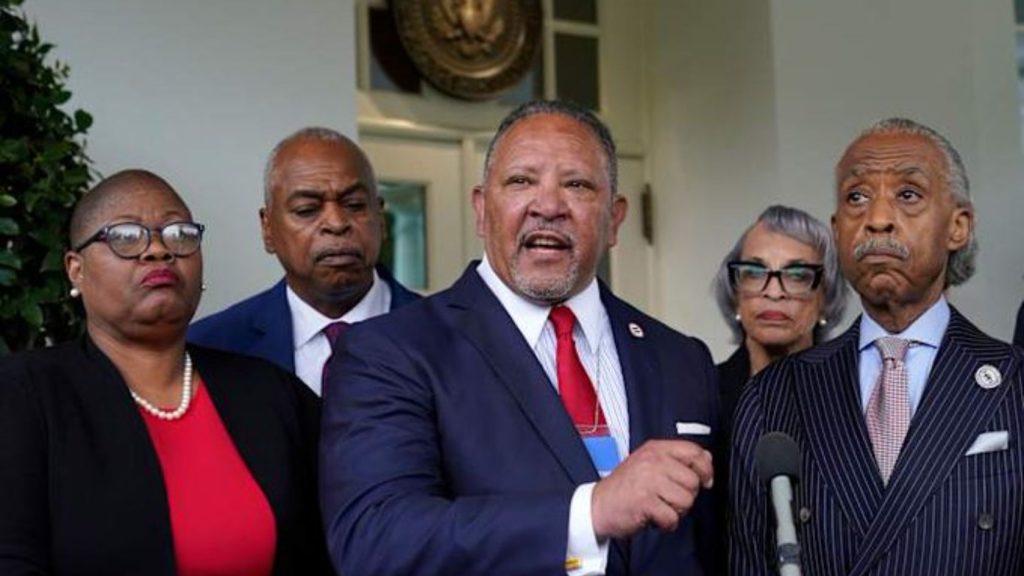
The report, titled Is the American Dream Dead?, examines the long struggle to secure equal rights, personal freedom and economic mobility in the United States. Its authors argue that the country has repeatedly experienced periods of progress followed by resistance, political retrenchment and racial conflict.
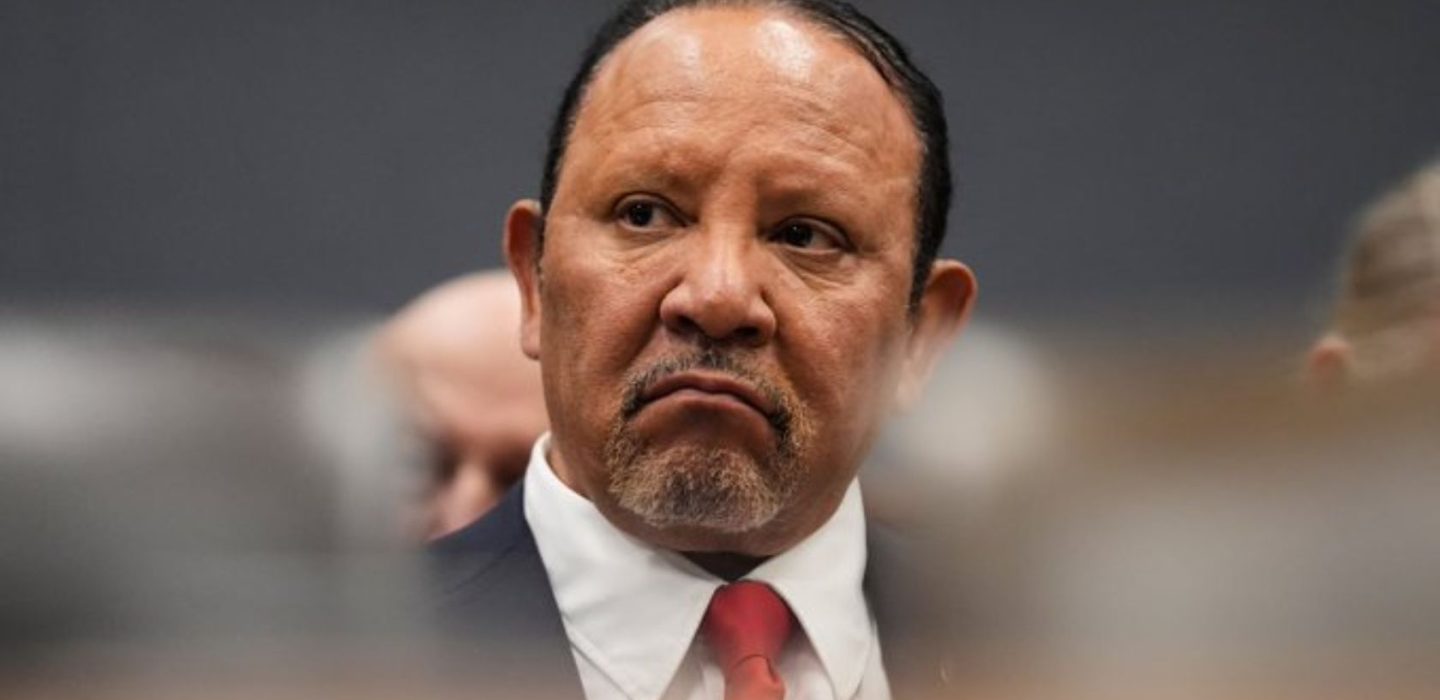
National Urban League President and CEO Marc Morial said the current moment should concern every working American, regardless of race.
While Black communities may be the most visible targets of certain policies, he warned that the consequences could spread to poor families, workers and people struggling to remain in the middle class.
“It may be the focus is us, but the impact is not just us,” Morial said.
The report specifically points to changes involving the Justice Department’s Civil Rights Division, the Equal Employment Opportunity Commission and federal diversity programs.
It also raises concerns about efforts to change voting requirements through the Safeguard American Voter Eligibility Act, commonly known as the SAVE Act.
The National Urban League describes these developments as threats to protections involving voting access, employment, education, housing and economic opportunity. Its official report says democracy, civil rights and progress achieved over generations are facing an urgent challenge.
The document does not simply accuse one administration of changing government priorities. It argues that the new direction could alter the institutions created to investigate discrimination and enforce civil rights protections.
At the time of the report’s publication, the White House had not provided a public response to the specific allegations after The Associated Press requested comment.
DEI retreat fuels fears of an economic setback
The report also condemns the retreat from diversity, equity and inclusion initiatives across federal agencies and corporate America.
During recent years, major companies made public promises to recruit more diverse employees, invest in historically underserved communities and expand opportunities for minority-owned businesses. Some of those commitments followed nationwide protests after the 2020 murder of George Floyd.
The Urban League argues that the political atmosphere has changed dramatically since then. It accuses the Trump administration of pressuring companies and institutions to abandon programs designed to address longstanding racial disparities.
Morial described the pressure as a campaign directed at institutions that had attempted to expand opportunity. He acknowledged that corporate responses have varied. Some businesses have made limited changes, while others have withdrawn much more fully from diversity programs.
For Black workers and entrepreneurs, the consequences could be deeply personal. A diversity initiative may appear to be a corporate policy written in an office. Still, its disappearance can affect who receives an interview, which small business secures a contract, who gains access to professional training, and which neighborhoods attract investment.
The report calls the broader retreat an “economic assault,” particularly on Black Americans.
It warns that removing programs without addressing the inequalities that led to their creation could preserve existing gaps in employment, income, homeownership and business ownership.
The 2026 executive summary frames the challenge around three central goals: defeating poverty, defending democracy and demanding diversity. It argues that the damage experienced by Black communities can be measured in lost income, denied opportunities and lives shortened by unequal access to resources.
Political leaders focus on the racial wealth gap.
The report includes essays and contributions from elected officials, legal experts, policy specialists and media figures.
Contributors include Sens. Angela Alsobrooks, Lisa Blunt Rochester and Raphael Warnock, along with Baltimore Mayor Brandon Scott and Minneapolis Mayor Jacob Frey. Maryland Gov. Wes Moore, frequently mentioned as a possible Democratic presidential contender in 2028, contributed an essay examining the racial wealth gap.
Moore reflected on his mother’s experience as a Jamaican immigrant who raised three children after her husband’s death. Her determination eventually helped the family gain greater financial stability, but Moore argued that individual effort cannot overcome every structural obstacle.
“With wisdom and grit, my mom was able to lift me and my family to a higher rung on the economic ladder,” Moore wrote. “But too often wisdom and grit aren’t enough.”
His argument speaks to one of the report’s central themes. Personal discipline, education and hard work remain important, but they do not guarantee equal access to property, credit, stable employment or inherited wealth.
Moore called closing the racial wealth gap a matter of moral clarity. However, he also said government cannot accomplish that goal by itself. Businesses, community organizations and other parts of civil society must also participate.
That responsibility has become more difficult to define as companies reconsider programs associated with racial equity. The Urban League warns that economic advancement cannot depend entirely on whether a particular president, administration or corporation is sympathetic to civil rights goals.
Instead, the report urges civil rights organizations to build stronger legal and economic structures that can survive political transitions. It calls for coordinated courtroom challenges and efforts to turn successful legal decisions into lasting public policy.
Fifty years later, old frustrations return.
The first State of Black America report was published in 1976 after President Gerald Ford’s State of the Union address, and the Democratic response largely overlooked the economic condition of Black Americans.
That inaugural document examined disparities in employment, housing, education, crime, social services and economic policy. President Jimmy Carter later embraced some of its recommendations after he entered the White House.
Five decades later, the newest edition carries a similar sense of urgency. The National Urban League says the country has made undeniable progress since the civil rights victories of the 1960s, but it warns that progress is neither automatic nor permanent.
The organization credits the Biden administration with passing pandemic relief, infrastructure legislation and programs supporting minority-owned businesses. It describes those measures as some of the most significant federal investments in Black communities since President Lyndon B. Johnson’s Great Society programs.
Still, the report acknowledges that the previous administration did not fulfill every promise. Its larger argument is that recent gains offered a blueprint for how government action, private investment and sustained advocacy could expand economic opportunity.
Now, the Urban League believes many of those gains are being targeted for reversal.
Despite its grim conclusions, the report does not present Black America’s future as hopeless. It points to a long history of communities surviving slavery, segregation, voter suppression, discriminatory housing practices and unequal access to education and employment.
Morial urged Americans not to respond with resignation or cynicism. He called for action through elections, legal challenges, consumer decisions and community organizing.
“We cannot be dejected. We cannot be cynical. We must act,” he said.
The report’s message is both a warning and a challenge. The struggle over the American Dream is not limited to one racial group, one election or one administration. According to the Urban League, the treatment of Black Americans remains a test of whether the nation’s promises of life, liberty and opportunity can be made real for everyone.
If you like what you just read, then subscribe to our newsletter and follow us on social media.


