

This article was originally published on Crafting Your Home. A human contributor also wrote and edited the post.
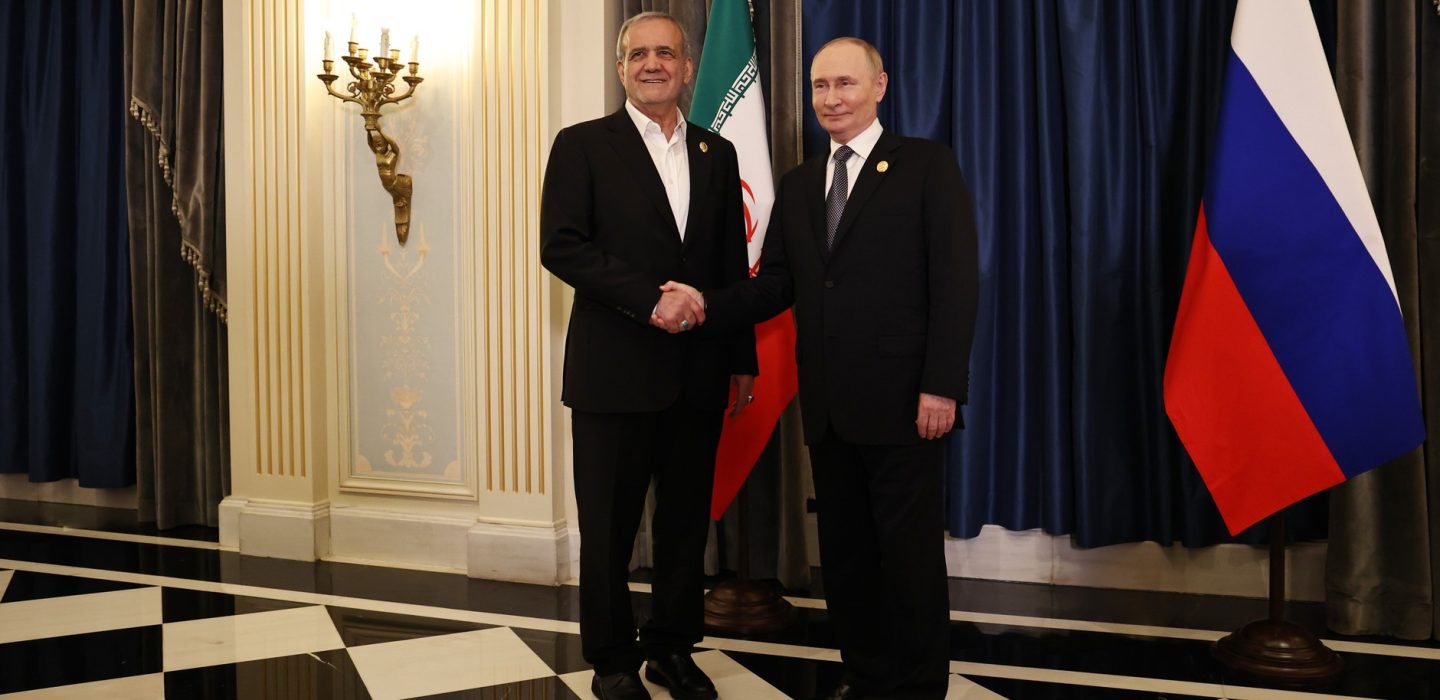
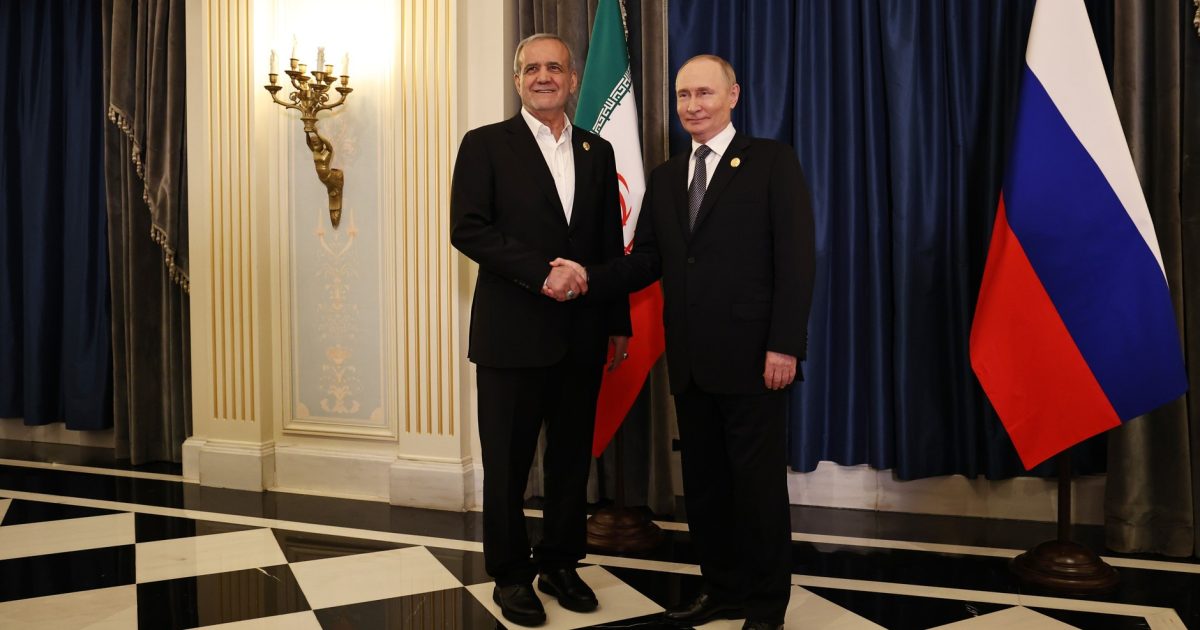
A new warning from national security analysts says the United States could face a growing challenge from the deepening cooperation between China, Russia, Iran, and North Korea, four nations increasingly coordinating their military, economic, and technological efforts against American interests.
The warning comes from a new book titled Axis of Aggressors: Countering the Cooperation of China, Russia, Iran & North Korea, which argues that these countries are moving beyond isolated partnerships and building a network of cooperation that could create simultaneous challenges for Washington across multiple regions.
The idea of a coordinated bloc has become one of the most debated issues in global security circles. While analysts disagree on whether the four nations represent a formal alliance, there is growing recognition that their shared opposition to U.S. influence has encouraged closer military and economic ties.
A New Strategic Challenge Emerges for the United States

The authors of Axis of Aggressors argue that China, Russia, Iran, and North Korea are cooperating across several areas, including defense technology, cyber capabilities, economic relationships, and military support.
Unlike traditional military alliances such as NATO, this partnership does not operate under a single command structure or mutual defense agreement. Instead, analysts describe it as a flexible relationship built around shared interests and opposition to the current international order.
U.S. security officials are concerned that these nations could create overlapping crises that stretch American resources. A conflict involving one adversary could potentially create opportunities for others to increase pressure elsewhere.
For example, Russia’s war in Ukraine has highlighted how regional conflicts can become connected through outside support. North Korea has strengthened ties with Moscow, while Iran has provided military equipment that has played a role in Russia’s battlefield efforts. Western officials have also accused China of providing economic and technological support that benefits Russia’s defense industry.
Russia, China, Iran and North Korea Find Common Ground
The relationship between these four countries is driven less by shared ideology and more by strategic interests.
Russia has sought additional military support and economic relationships as it faces pressure from Western sanctions. Iran has looked for partners willing to challenge American influence in the Middle East. North Korea has pursued stronger ties that could provide economic and technological benefits. China has continued expanding its global influence while competing with the United States economically and strategically.
The result is a growing network where each country brings different strengths.
Russia provides military experience and energy resources. China brings economic power, manufacturing capacity, and technological development. Iran offers regional influence and missile and drone capabilities. North Korea contributes military personnel and weapons production capacity.
Security analysts say this combination creates a more complicated environment for the United States because Washington must consider multiple potential flashpoints at the same time.
China’s Role Raises the Biggest Strategic Questions
Among the four countries, China remains the most significant factor because of its economic size and global influence.
Beijing has maintained close diplomatic and economic relationships with both Russia and Iran while competing directly with the United States in technology, trade, and military influence.
American officials have increasingly focused on China’s ability to support rival nations indirectly through technology, trade, and financial connections.
The concern is that China does not need to enter conflicts directly to influence outcomes. By providing economic support, industrial resources, or dual-use technology, Beijing can strengthen partners while limiting its own exposure.
However, analysts also note that China’s relationship with Russia, Iran, and North Korea has limits. Each country has different priorities, and their cooperation may be based more on convenience than a unified strategic vision.
Iran’s Military Partnerships Expand Beyond the Middle East

Iran has become another major focus in discussions about this emerging network.
The country has developed relationships with Russia and other partners through military technology exchanges, particularly involving drones and missile systems.
Iran’s support for Russia during the Ukraine conflict demonstrated how regional powers can influence conflicts far beyond their own borders. Analysts say Tehran’s ability to produce and transfer military technology has increased its importance among countries challenging U.S. influence.
Iran’s broader strategy has focused on expanding its regional influence while developing military capabilities that can challenge American allies.
The growing cooperation between Tehran, Moscow, and Beijing has raised concerns among U.S. policymakers who believe these relationships could reshape security calculations in Europe and the Middle East.
North Korea Becomes a More Important Player
For years, North Korea was often viewed as an isolated state with limited global influence. Recent developments have changed that perception.
Pyongyang’s expanding relationship with Russia has drawn international attention, particularly over military cooperation connected to the war in Ukraine. Analysts argue that Russia’s support could provide North Korea with access to technology, experience, or resources that strengthen its military capabilities.
North Korea’s nuclear weapons program and missile development remain major security concerns for the United States and its allies in Asia.
The possibility of stronger cooperation between North Korea and other U.S. rivals adds another layer of complexity to American defense planning.
Could the U.S. Be Overwhelmed by Multiple Global Crises?
The central warning from analysts is not necessarily that these countries will launch a coordinated attack. Instead, the concern is that they could create simultaneous challenges that force the United States to divide attention and resources.
A crisis in Eastern Europe, rising tensions around Taiwan, instability in the Middle East, or increased pressure on South Korea could create a difficult strategic environment for Washington.
The idea reflects a growing concern among defense experts that America’s competitors may benefit from creating multiple problems at once rather than confronting the United States directly.
The challenge would be managing military commitments, supporting allies, protecting economic interests, and maintaining deterrence across different regions.
Critics Say the “Axis” Description May Oversimplify Reality
Although the term “Axis of Aggressors” has gained attention, some analysts caution against viewing the four countries as a unified alliance.
Unlike historic alliances, these nations do not share identical goals. China and Russia compete for influence in some areas, while Iran’s regional priorities do not always align with Beijing’s global economic interests.
Some experts describe the relationship as a partnership of convenience rather than a formal alliance.
Their cooperation exists because each country benefits from challenging U.S. influence, but that does not mean they would automatically support one another in every conflict.
Understanding these differences is important when developing U.S. policy responses.
Washington Faces Pressure to Develop a New Strategy

The debate over China, Russia, Iran, and North Korea comes as American policymakers reconsider how to respond to a changing global security environment.
Supporters of a stronger approach argue that the United States must strengthen alliances, improve military readiness, and prevent rivals from gaining strategic advantages.
Others argue that diplomacy and targeted engagement remain important because treating every partnership between these countries as a unified threat could increase tensions unnecessarily.
The challenge for Washington is finding a strategy that addresses cooperation among rival states without creating unnecessary escalation.
A New Era of Global Competition Takes Shape
The rise of closer cooperation among China, Russia, Iran, and North Korea represents one of the most significant shifts in international politics in recent years.
Whether these nations become a formal alliance or remain a loose partnership, their growing coordination has already changed how governments view global security risks.
For the United States, the challenge is clear: prepare for a world where competition may no longer come from one major rival at a time.
The emerging geopolitical landscape is becoming more complicated, and the decisions made in Washington could shape the balance of power for decades to come.
If you like what you just read, then subscribe to our newsletter and follow us on social media.


