


The post Philadelphia Police Investigate Seven Missing Women Linked to Olney Home as Digital Evidence Review Continues first appeared on Crafting Your Home
A Philadelphia home has become the center of an expanding missing-persons investigation involving seven women, a massive collection of digital files, and a search for answers that investigators say could take time to complete.
Police say the investigation is connected to a property in Philadelphia’s Olney neighborhood, where authorities have recovered more than one million images and videos while examining possible links between the home and several missing women. Five women are believed dead based on digital evidence reviewed so far, but police have emphasized that no bodies or human remains connected to the missing women have been recovered.
The case highlights a difficult reality of modern investigations: digital evidence can provide critical clues, but turning those clues into confirmed facts requires extensive review and verification.
A Philadelphia home becomes the focus of a growing investigation
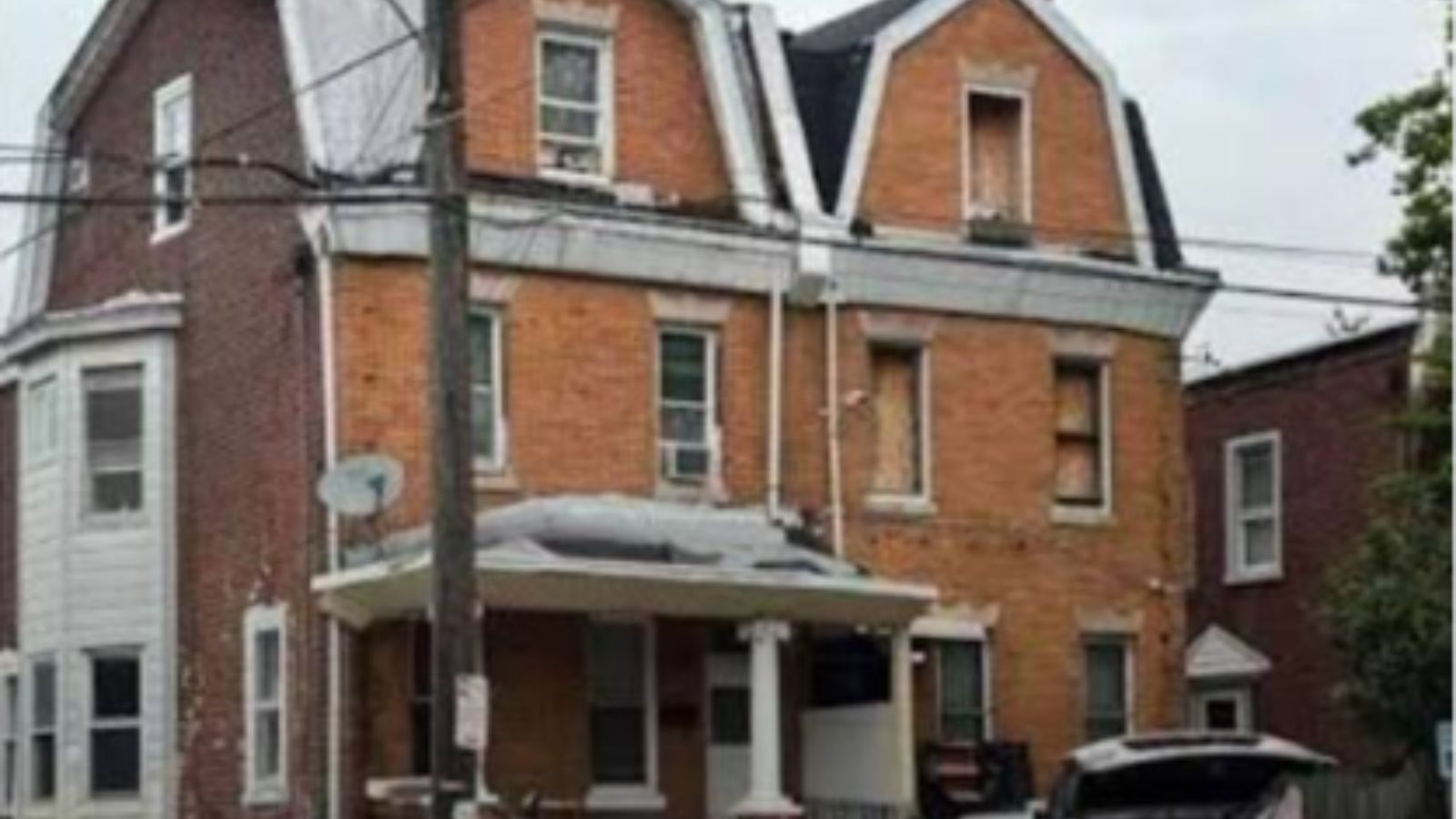
The investigation centers on a home in the 400 block of West Chew Avenue in Philadelphia’s Olney neighborhood. The property was associated with Raymond “R.C.” Horsch, who died in 2025 at age 82, and his son, Eugene Horsch, 44.
The investigation expanded after Eugene Horsch was arrested on June 18 on federal allegations involving firearms possession and impersonating a federal officer. Authorities then continued examining the property and the evidence connected to the case.
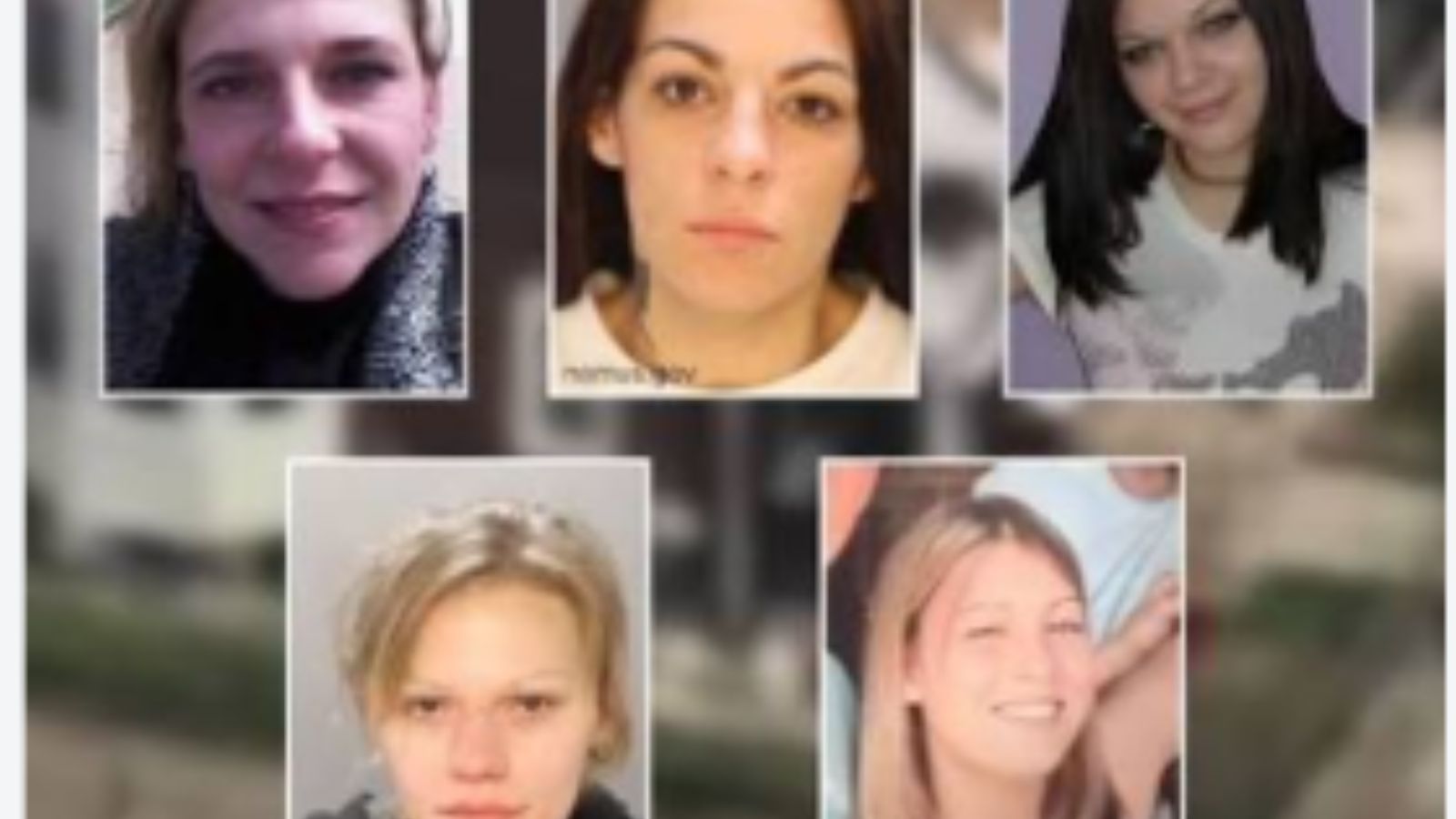
Police have since linked seven missing women to the home or its occupants. Authorities say five of those women are believed dead based largely on images and videos that appear to show women injured, unconscious, lifeless, or possibly deceased.
However, investigators have not announced that physical evidence has confirmed a homicide inside the home.
More than one million files are being reviewed
The amount of digital material recovered from the property has become one of the defining elements of the investigation.
Authorities recovered more than one million images and videos, including more than 600,000 images and approximately 70,000 videos, along with cameras, computers, hard drives, flash drives, and phones.
The FBI said about 30% of the material had been reviewed as of September 16, leaving hundreds of thousands of files still to examine. Police said investigators had identified 58 people in the digital evidence reviewed so far.
For investigators, the challenge is not only finding files. They must determine whether the material is authentic, identify individuals shown in the evidence, establish when and where files were created, and compare information against missing-person records.
Digital evidence can help guide an investigation, but it still requires additional confirmation before authorities can reach conclusions about what happened.
Investigators continue working to verify what the evidence shows
Police also found five urns believed to contain human ashes and unidentified chemicals at the property. Authorities have not confirmed the identities of the ashes or established how they relate to the missing-women investigation.
The investigation remains active as authorities continue reviewing evidence and conducting additional searches.
The scale of the material means answers may not come quickly. Each file must be reviewed carefully, and investigators must determine which pieces of evidence can be independently verified.
Why digital evidence has become central in missing-person cases
The Olney investigation reflects how missing-person investigations have changed in an increasingly digital world.
Phones, computers, online communications, cameras, and stored files can provide investigators with information that may not exist in a traditional search. At the same time, digital records require careful analysis to establish what they show and what they do not.
A photograph or video may raise important questions, but investigators still need to confirm identities, locations, timing, and other details before evidence can support criminal charges or official conclusions.
That process can be lengthy, especially when investigators are working through a large volume of digital material.
Authorities continue seeking information from the public
Police have asked people familiar with the property or the missing women to contact investigators as the review continues.
Authorities also remind the public that suspected online exploitation or harmful material should be reported through proper channels rather than shared. Preserving information such as usernames, platform details, dates, and other non-explicit context can help investigators without spreading illegal material.
For families and communities, the investigation serves as a reminder that missing-person cases often depend on both traditional investigative work and newer forms of digital evidence.
The questions surrounding the Olney property remain unresolved, and investigators say more work is needed before they can determine the full picture.
Other Posts You May Like
If you like what you just read, then subscribe to our newsletter and follow us on social media.


