

This article was originally published on Crafting Your Home. A human contributor also wrote and edited the post.
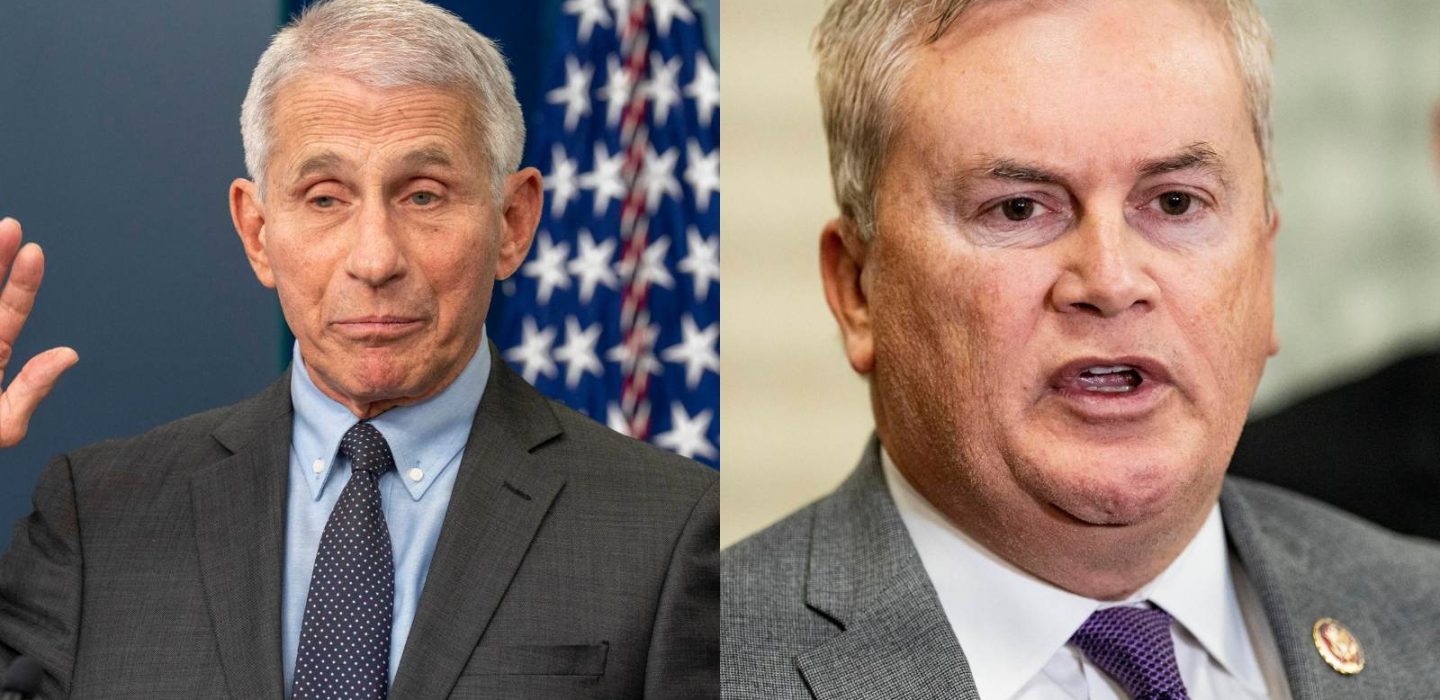
Anthony Fauci is returning to Capitol Hill with a presidential pardon behind him and a warning from House Oversight Chairman James Comer.
Comer says Joe Biden’s clemency covered past conduct, not anything Fauci might say at a new Senate hearing. The appearance is set for Wednesday, July 29, 2026, before the Senate Homeland Security and Governmental Affairs Committee.
Republicans are again examining Fauci’s pandemic decisions, earlier testimony and newly released private records. Fauci has denied wrongdoing and has described himself as a political target. The hearing now places each answer under intense legal and political scrutiny.
Comer Draws a Clear Line Around the Pardon

Comer told Fox News Digital that Biden’s pardon “doesn’t cover Dr. Fauci’s testimony this week,” presenting the hearing as a new test of accountability. He warned that Fauci could face consequences if he knowingly provides false information to Congress. The statement is a warning, however, not a finding that Fauci has committed any new offense.
The pardon’s written terms support the central timing point in Comer’s argument. Biden granted Fauci a full and unconditional pardon for possible federal offenses committed from January 1, 2014, through January 19, 2025, when those acts arose from his government service. Testimony delivered in July 2026 would fall outside that stated period.
Federal law prohibits knowingly and willfully making a materially false statement within the jurisdiction of the legislative branch, including authorized congressional investigations. Prosecutors would still have to prove that a particular statement was false, important to the inquiry and made with the required intent. A disputed interpretation, an imprecise response or a genuine memory lapse would not automatically amount to a crime.
Why Fauci is Returning to the Senate
The Senate Homeland Security and Governmental Affairs Committee scheduled Fauci’s testimony for July 29, 2026, at 8:30 a.m. in the Dirksen Senate Office Building. The panel is chaired by Sen. Rand Paul, a Kentucky Republican who has repeatedly challenged Fauci over federal research funding and the origins of COVID-19. The official hearing notice does not accuse Fauci of a criminal offense.
Republicans are expected to compare Fauci’s answers with previous testimony, government correspondence and private pandemic-era records released before the hearing. Those materials have revived arguments about how much influence he exercised over lockdown recommendations and school closures. They have also renewed the dispute over whether federally supported work in Wuhan met a broad or narrow definition of gain-of-function research.
In a January 2024 House interview, Fauci said he did not personally close schools and noted that local and state authorities enacted policies suspending classroom learning. Critics are now focusing on whether his advice influenced those officials, which is different from claiming he possessed legal power to order closures. That distinction is likely to become one of the hearing’s most closely examined issues.
Fauci also told House investigators that his earlier statements about gain-of-function research used the operative regulatory definition under the P3CO framework. Under that explanation, the relevant question was whether the work enhanced a potential pandemic pathogen in the specific way covered by federal oversight rules. He maintained that the NIH-funded subaward did not meet that standard.
Critics have often used a broader scientific meaning that can include research giving a biological agent a new or enhanced activity. The House transcript records a lengthy discussion acknowledging that the phrase has been used in several ways, creating room for confusion outside technical policy settings. That definitional divide does not settle the controversy, but it is essential context for judging whether earlier answers were deceptive.
Lawmakers may press Fauci on whether he made that distinction clearly enough when speaking to Congress and the public. They can compare his wording with grant records, agency communications and the scientific work that was actually performed. Any allegation of a criminal false statement, however, must rest on more than two sides using the same term differently.
Biden’s Decision Remains Politically Explosive
Biden issued the pardon during his final hours in office and said Fauci and other public servants faced threats of unjustified, politically motivated prosecution. He praised Fauci’s decades of government service and credited him with helping the country confront several major public health crises. Biden also said the pardon should not be treated as an admission of wrongdoing or evidence of guilt.
Republicans have rejected that explanation and frequently portray the pardon as proof that Biden expected Fauci to face legal danger. A pardon can prevent prosecution for covered past conduct, but it does not legally establish that the recipient committed a crime. It also cannot authorize future conduct or erase liability for an offense committed after the pardon’s closing date.
That is why Comer’s newest argument is narrower than the broader political fight surrounding Biden’s decision. The key question is not whether the pardon protects every act connected to Fauci’s public service, because its language includes a clear end date. The real issue is whether any answer at the new hearing can be shown to be knowingly, willfully and materially false.
What the Hearing Can Actually Establish

The Senate hearing can create a public record, force precise answers and place disputed documents beside Fauci’s earlier statements. Senators can ask who recommended particular policies, what Fauci knew about research grants and how he understood the scientific terms used in previous testimony. They can also examine whether recently released records change the meaning of answers he gave in 2021 and 2024.
What the hearing cannot responsibly do is treat every inconsistency as proof of deliberate deception. Memories can fade, language can be ambiguous, and technical definitions can make similar sentences carry different meanings. A credible criminal allegation must identify the exact statement, demonstrate its material falsity, and establish that the witness knew it was false.
Fauci will have the opportunity to explain the records, defend his wording, and challenge conclusions drawn by his critics. Committee members may decide that the testimony resolves their concerns, or they may seek more documents and additional investigation. Comer is correct that Biden’s pardon does not provide permanent immunity, but whether Fauci faces any legal exposure will depend on what he actually says and what the evidence proves.
If you like what you just read, then subscribe to our newsletter and follow us on social media.


