


This article was originally published on Crafting Your Home. A human contributor also wrote and edited the post.
A major Democratic primary contest is exposing a growing tension inside the party: whether voters are ready to embrace a more progressive political vision or whether concerns about practicality, experience, and electability will shape the outcome.
The race has become a test of one of the Democratic Party’s most influential voting blocs: Black voters. Their choices have repeatedly shaped Democratic primaries, especially in states where older, more established coalitions continue to hold significant influence.
As progressive candidates attempt to expand their influence, many are discovering that winning over the Democratic base requires more than appealing to younger activists and urban voters. It requires building trust with communities that often prioritize economic stability, public safety, representation, and proven leadership.
The battle reflects a larger question facing Democrats: how far left does the party want to move, and what kind of candidate can unite its diverse coalition?
Why Black Voters Have Become the Deciding Force in the Democratic Race

Black voters have long played a central role in Democratic politics, particularly in presidential and statewide primaries. Their participation often determines which candidates gain early momentum and which campaigns struggle to survive.
South Carolina’s influence in Democratic politics is a clear example of this power. The state’s large Black electorate helped reshape the party’s primary strategy, and Democratic leaders have repeatedly emphasized the importance of recognizing the role Black voters play in the nomination process.
For many Democratic candidates, success depends on understanding that Black voters are not a single political group with identical priorities. Different generations, regions, and communities often approach elections with different concerns.
While some younger voters have shown interest in more progressive policies, many longtime Democratic voters have historically valued candidates they view as experienced, reliable, and capable of delivering practical results.
The Progressive Movement Faces a Major Test
Progressive Democrats have spent years building a movement around issues such as healthcare expansion, economic inequality, climate policy, and stronger government programs. Their message has attracted younger voters and activists who believe the political system needs significant change.
However, the movement has faced challenges in expanding beyond its strongest supporters. Recent Democratic primary battles have shown a divide between progressive energy and the preferences of more traditional Democratic voters.
Some progressive candidates have struggled to convince Black voters that their approach matches the everyday concerns facing many communities. While economic inequality and social justice remain important issues, voters often also consider questions about leadership style, governing ability, and whether a candidate can win a general election.
The challenge is not that Black voters reject progressive ideas entirely. Instead, many appear to evaluate candidates through a broader lens that includes experience, relationships within communities, and the ability to produce measurable change.
A Long History of Black Voters Shaping Democratic Primaries
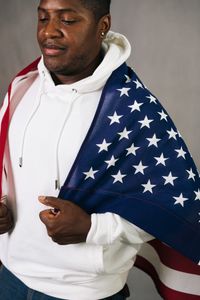
The influence of Black voters in Democratic politics did not happen overnight. Over decades, African American voters became one of the party’s most dependable electoral groups, especially after the civil rights era reshaped political alliances.
Candidates who understand the importance of this coalition often invest heavily in building relationships with Black churches, community organizations, local leaders, and longtime activists.,
Past presidential contests have demonstrated how powerful this voting bloc can be. Candidates who initially appear competitive nationally can struggle if they fail to gain support among Black voters in early primary states.
The lesson for Democratic candidates is clear: national popularity does not always translate into primary success. A candidate must connect with voters who have historically been central to the party’s decision-making process.
The Debate Over Experience Versus Political Change
At the center of the primary battle is a familiar political question: do voters want a dramatic shift or a leader who represents continuity?
Progressive candidates often argue that traditional Democratic politics has not moved quickly enough on major issues. They say voters are looking for leaders willing to challenge powerful institutions and pursue ambitious reforms.
More moderate Democrats counter that elections require building broad coalitions. They argue that candidates must appeal beyond the party’s most enthusiastic supporters to win competitive races.
Black voters have often occupied a complicated position in this debate. Many support policies associated with economic and social reform, but they also frequently consider whether candidates have the experience and political skills needed to turn promises into reality.
That balance could determine the direction of the Democratic Party in upcoming elections.
The Primary Battle Reveals a Larger Democratic Identity Crisis
The disagreement over progressive candidates is part of a broader struggle within the Democratic Party. Leaders are debating whether the future depends on embracing a stronger ideological identity or maintaining a wider coalition capable of winning across different regions.
The party’s internal divisions have become more visible as different groups compete for influence. Progressive activists want more aggressive policy changes, while establishment figures often emphasize electability and governing experience.
The role of Black voters adds another layer to this debate because their support has historically been critical to Democratic victories. Candidates cannot simply assume loyalty. They must earn support through clear messages and meaningful engagement.
The upcoming primary battles may reveal whether the party’s future belongs to a more progressive movement or a coalition built around experienced leadership.
What the Outcome Could Mean for the Democratic Party’s Future

The results of this primary fight will likely influence how Democratic candidates campaign in future elections. A victory by a progressive candidate could encourage more politicians to embrace a stronger leftward shift.
A different outcome could reinforce the argument that Democratic candidates must focus on broader appeal and practical governance rather than ideological transformation.
Regardless of the result, one fact remains clear: Black voters will continue to play a decisive role in shaping the party’s direction. Their priorities, turnout, and candidate preferences could determine not only individual races but also the larger identity of the Democratic Party.
The question facing Democrats is not simply which candidate wins one primary. It is whether the party can build a future that satisfies its most energized activists while maintaining the trust of the voters who have carried it through some of its biggest political battles.


