

This article was originally published on Crafting Your Home. A human contributor also wrote and edited the post.
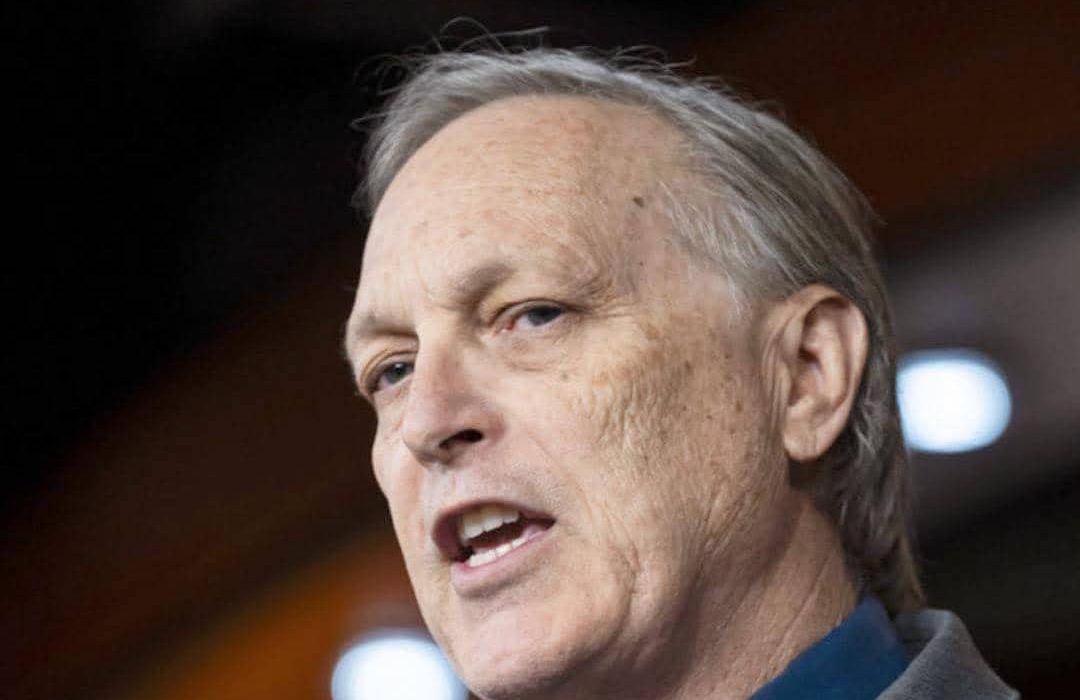
A simple question from Republican Rep. Andy Biggs has reignited one of America’s longest-running election debates: Should voters be required to show identification before casting a ballot?
“You need an ID to drive. You need an ID to fly. You need an ID to check into a hotel. You need an ID to buy cold medicine. The list goes on. Why shouldn’t you need an ID to vote?” Biggs said in a statement defending voter identification requirements.
The Arizona Republican’s argument reflects a position held by many conservatives who say voter ID laws are a basic election security measure. They argue that identification requirements are common in everyday activities and can help protect the integrity of elections.
Democrats and voting rights groups, however, have pushed back against strict voter ID laws, arguing that voting is a constitutional right and that additional identification requirements can create unnecessary barriers for eligible voters, particularly those who may have difficulty obtaining approved forms of identification.
The disagreement highlights a broader national debate: how can the United States protect elections while ensuring that every eligible voter can participate?
Andy Biggs’ Argument for Stronger Voter Identification Rules
Andy Biggs has long supported stricter election laws, including measures requiring voters to verify their identity before casting ballots.
His comparison between voting and everyday activities such as driving, flying, and purchasing certain products reflects a common argument among supporters of voter ID laws: if identification is required in many areas of life, they argue, it should also be required for something as important as choosing elected officials.
Supporters believe voter ID requirements increase public confidence by showing voters that election systems have safeguards in place.
Former President Donald Trump and many Republican leaders have repeatedly supported stronger voter identification laws, arguing that election security is essential to maintaining trust in democratic institutions.
“Only American citizens should be able to vote in American elections,” Trump said while discussing election security during his presidency.
Republican lawmakers who support voter ID measures often argue that the goal is not to prevent voting but to make sure each ballot is connected to an eligible voter.
They point out that most Americans already use identification for many daily activities and argue that obtaining an ID should be a reasonable requirement.
However, critics say voting is different from those activities because it is a fundamental right rather than a private transaction.
Critics Warn Voter ID Laws Could Create Barriers for Some Americans
Opponents of strict voter ID requirements argue that the comparison between voting and activities like driving or boarding a plane is incomplete.
They say that while identification is commonly required for commercial transactions and security purposes, voting access is protected under constitutional amendments and federal laws.
Civil rights organizations have argued that some eligible voters may face challenges obtaining identification because of transportation issues, financial limitations, lack of required documents, or changes in personal circumstances.
The American Civil Liberties Union (ACLU) has been among the groups opposing strict voter ID laws, arguing that such requirements can disproportionately affect certain groups of voters.
Supporters of voter ID laws often respond that states can provide free identification cards and that most voters already have acceptable forms of ID.
The debate frequently centers on balancing two goals: preventing potential fraud and ensuring broad access to the ballot box.

What Research Says About Voter ID and Election Security
The discussion over voter ID laws has continued for years, with researchers offering different perspectives on their impact.
Supporters argue that identification requirements can strengthen confidence in elections, even if documented cases of voter impersonation fraud are rare.
Election officials across the country have said that voter fraud can take many forms, including issues involving registration, absentee ballots, or administrative errors, rather than only impersonation at polling places.
A 2023 study from the Brennan Center for Justice found that strict voter ID laws generally have little measurable effect on overall voter turnout. However, the organization has continued to argue that some groups may face greater challenges meeting identification requirements.
Meanwhile, supporters of voter ID requirements say public confidence is itself an important part of election security.
Former President Barack Obama has criticized strict voter ID laws in the past, arguing that some requirements create unnecessary obstacles for voters.
During a 2016 interview with Fox News Sunday, Obama said election systems should protect against fraud while also ensuring eligible citizens are not prevented from voting.
The Supreme Court has also weighed in on voter identification laws. In 2008, the court upheld Indiana’s voter ID law in Crawford v. Marion County Election Board, ruling that requiring photo identification did not violate the Constitution based on the evidence presented in that case.
Since then, states have continued adopting, changing, or challenging voter ID rules through legislation and court battles.
A Debate That Continues Across America
Andy Biggs’ statement has gained attention because it captures a question many Americans have asked: if identification is needed for so many important activities, why should voting be treated differently?
For supporters, voter ID is about protecting confidence in elections and ensuring that every ballot comes from an eligible voter.
For opponents, the concern is that additional requirements may unintentionally make it harder for some citizens to exercise their right to vote.
Both sides agree on one thing: Americans want elections that are secure, fair, and trusted.
The disagreement is over the best way to achieve that goal.
As states continue debating election laws, the voter ID conversation is unlikely to disappear. It remains one of the clearest examples of how Americans can share the same goal of protecting democracy while disagreeing strongly about the path to get there.
If you like what you just read, then subscribe to our newsletter and follow us on social media.


